2025 Magnetic AC: Randwick’s Eco-Cool Future
In 2025, a revolutionary cooling technology is making waves in tech-savvy suburbs like Randwick, Sydney.
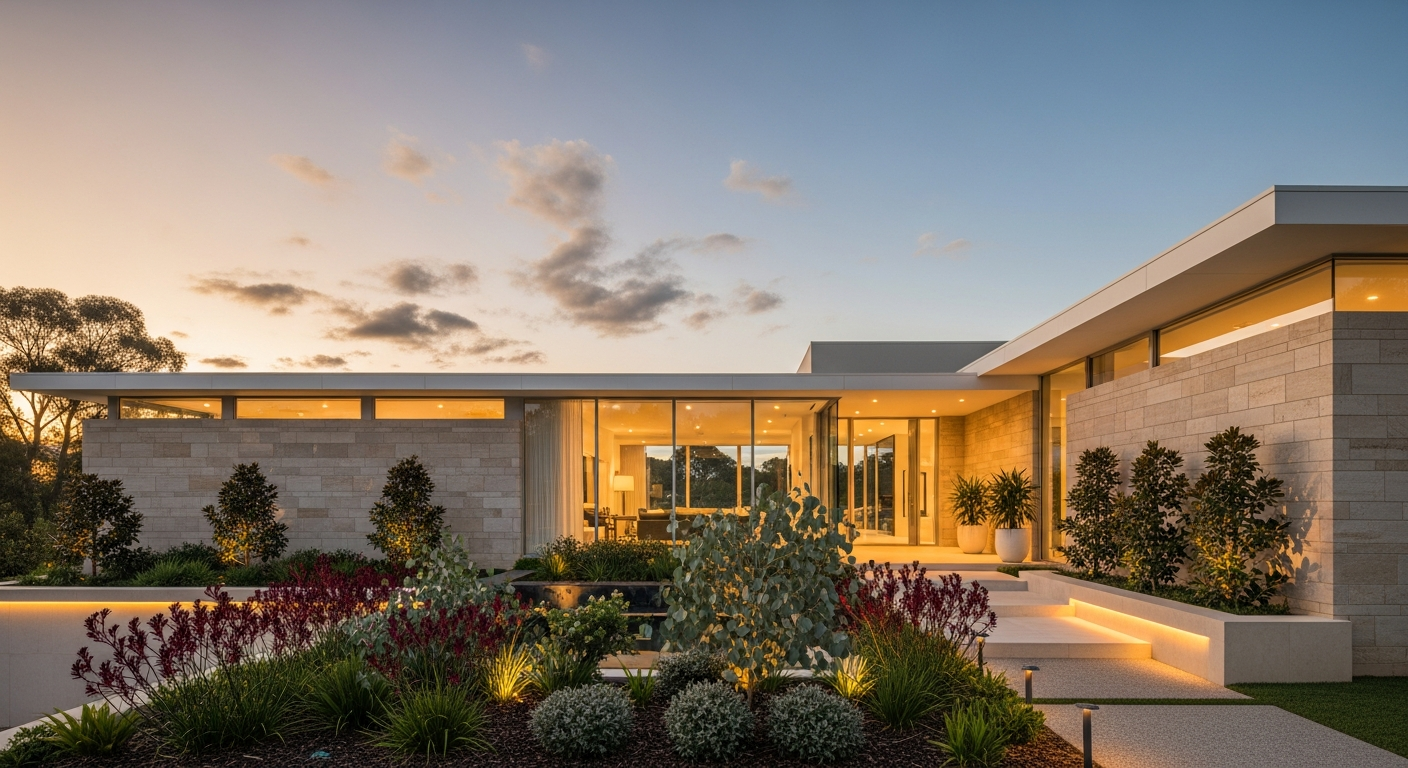
In 2025, a revolutionary cooling technology is making waves in tech-savvy suburbs like Randwick, Sydney. Magnetic refrigeration air conditioning (AC), which uses magnetic fields to create eco-friendly and energy-efficient cooling, is poised to transform how we stay comfortable at home. This experimental trend promises quieter, greener, and more sustainable AC systems, perfectly suited for forward-thinking communities. Let’s dive into what magnetic refrigeration AC is, why it’s gaining traction, and how it’s shaping the future of cooling in places like Randwick.
What Is Magnetic Refrigeration AC?Magnetic refrigeration AC is an innovative cooling technology that leverages the magnetocaloric effect (MCE). Unlike traditional AC systems that rely on chemical refrigerants and energy-hungry compressors, magnetic refrigeration uses magnetic fields to heat and cool special materials, creating a sustainable cooling cycle. This process eliminates harmful refrigerants, reduces energy consumption, and operates with minimal noise.
- Definition: Magnetic refrigeration AC uses magnetocaloric materials, such as gadolinium alloys, which heat up when exposed to a magnetic field and cool down when the field is removed, facilitating efficient heat transfer for cooling.
- Key Benefit: It’s eco-friendly, with no ozone-depleting gases and up to 30–50% less energy use compared to conventional systems.
- Applications: Ideal for residential air conditioning, especially in tech-forward suburbs like Randwick, where sustainability and innovation are priorities.
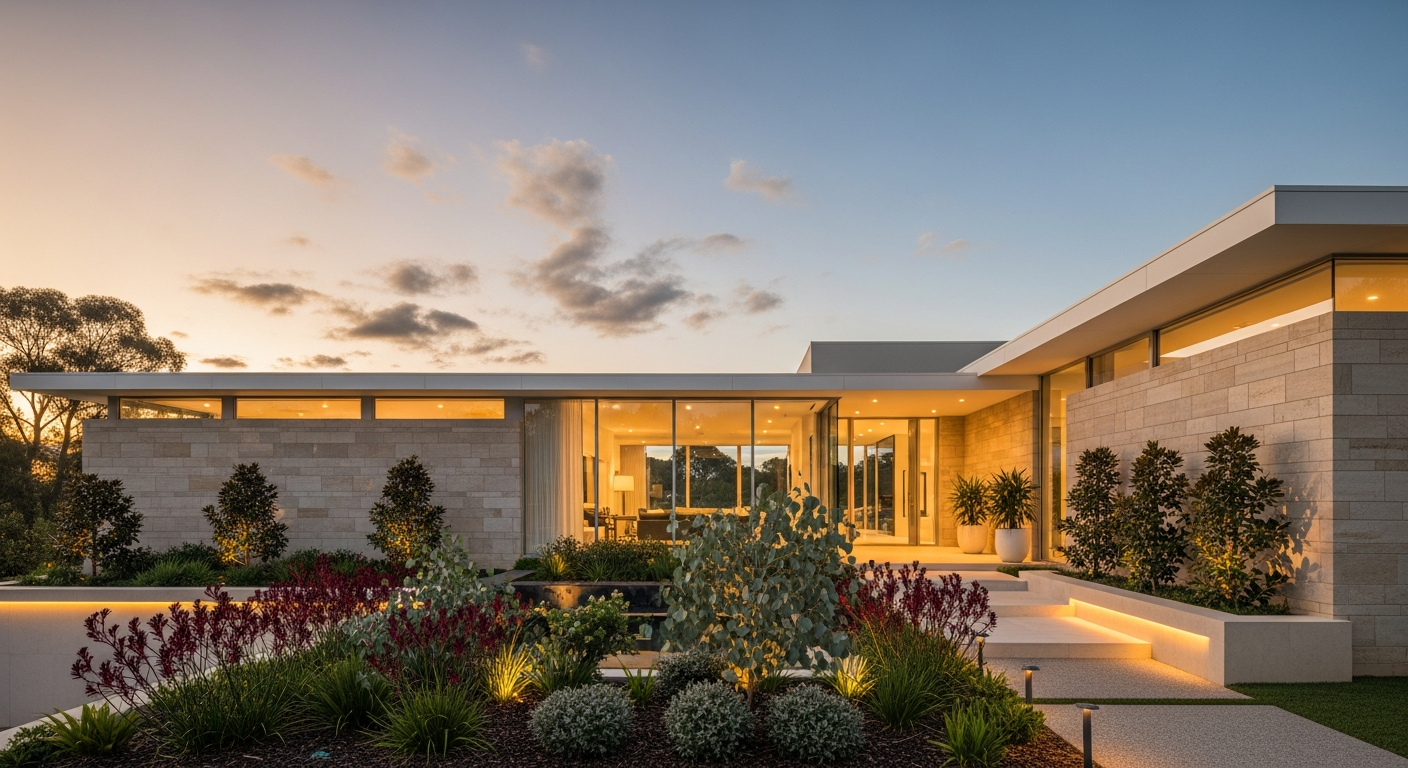
(Source: Adapted from scientific insights on magnetocaloric cooling, including studies from ScienceDirect and Nature Communications.)
Why Magnetic Refrigeration AC Is Trending in 2025As global demand for sustainable cooling solutions grows, magnetic refrigeration AC is emerging as a game-changer. The International Energy Agency predicts that air conditioning demand will triple by 2050, making energy-efficient alternatives critical. Here’s why this technology is capturing attention in 2025:
- Eco-Friendly Cooling
Traditional AC units rely on hydrofluorocarbons (HFCs), which contribute to greenhouse gas emissions. Magnetic refrigeration eliminates these harmful refrigerants, using water or other safe fluids for heat transfer, aligning with Australia’s push for net-zero emissions. - Energy Efficiency
Studies show magnetic refrigeration systems can achieve up to 50% higher efficiency than traditional vapour-compression systems. For Randwick homeowners, this means lower electricity bills and a reduced carbon footprint. - Quiet Operation
With fewer moving parts and no noisy compressors, magnetic AC units operate almost silently—perfect for peaceful suburban homes and apartments in Randwick. - Tech-Forward Appeal
Randwick, known for its proximity to Sydney’s innovation hubs and affluent, tech-savvy residents, is an ideal testing ground for cutting-edge technologies like magnetic refrigeration AC. Early adopters are keen to integrate smart, sustainable solutions into their homes.
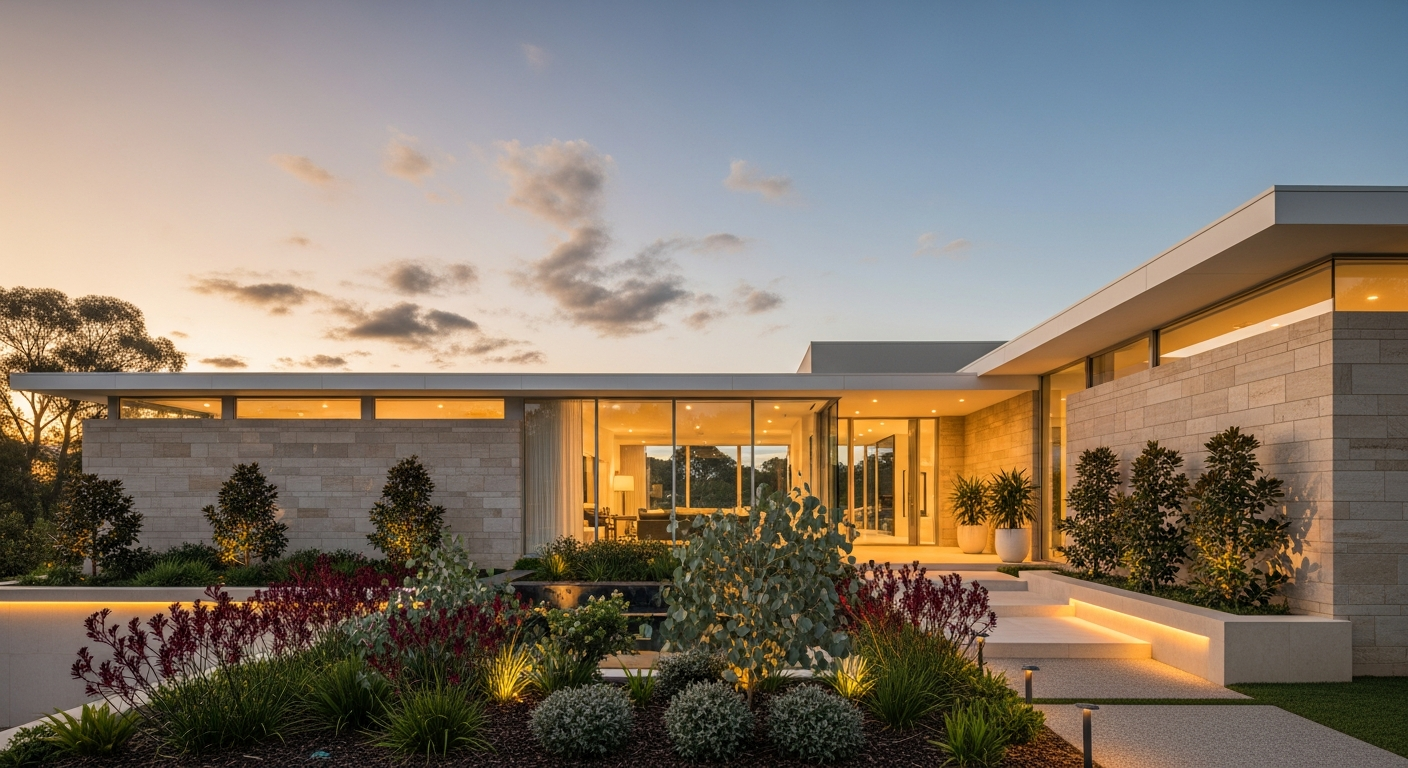 How Magnetic Refrigeration AC Works
The science behind magnetic refrigeration AC is fascinating yet simple. Here’s a step-by-step breakdown:
- Magnetisation: A magnetocaloric material (e.g., gadolinium) is exposed to a magnetic field, causing it to heat up as its magnetic dipoles align.
- Heat Transfer: The heat is transferred to a fluid (often water), which carries it away from the cooling area.
- Demagnetisation: The magnetic field is removed, causing the material to cool down significantly.
- Cooling Cycle: The cooled material absorbs heat from the surrounding environment (e.g., your home), lowering the temperature.
This cycle repeats, providing continuous cooling without the environmental impact of traditional AC systems. Companies like MAGNOTHERM and Camfridge are leading the charge, with prototypes already in use in Europe.
Why Randwick Is the Perfect Place for This TrendRandwick, a vibrant suburb in Sydney’s eastern suburbs, is a hotspot for innovation and sustainability. Here’s why magnetic refrigeration AC is a natural fit:
- Tech-Savvy Community: Randwick residents, many of whom work in nearby tech and research hubs like UNSW Sydney, are eager to adopt smart home technologies.
- Sustainability Focus: With local initiatives promoting green living, magnetic AC aligns with Randwick’s eco-conscious ethos.
- Urban Density: As a densely populated suburb, Randwick benefits from quiet, efficient cooling solutions that reduce noise pollution and energy strain.
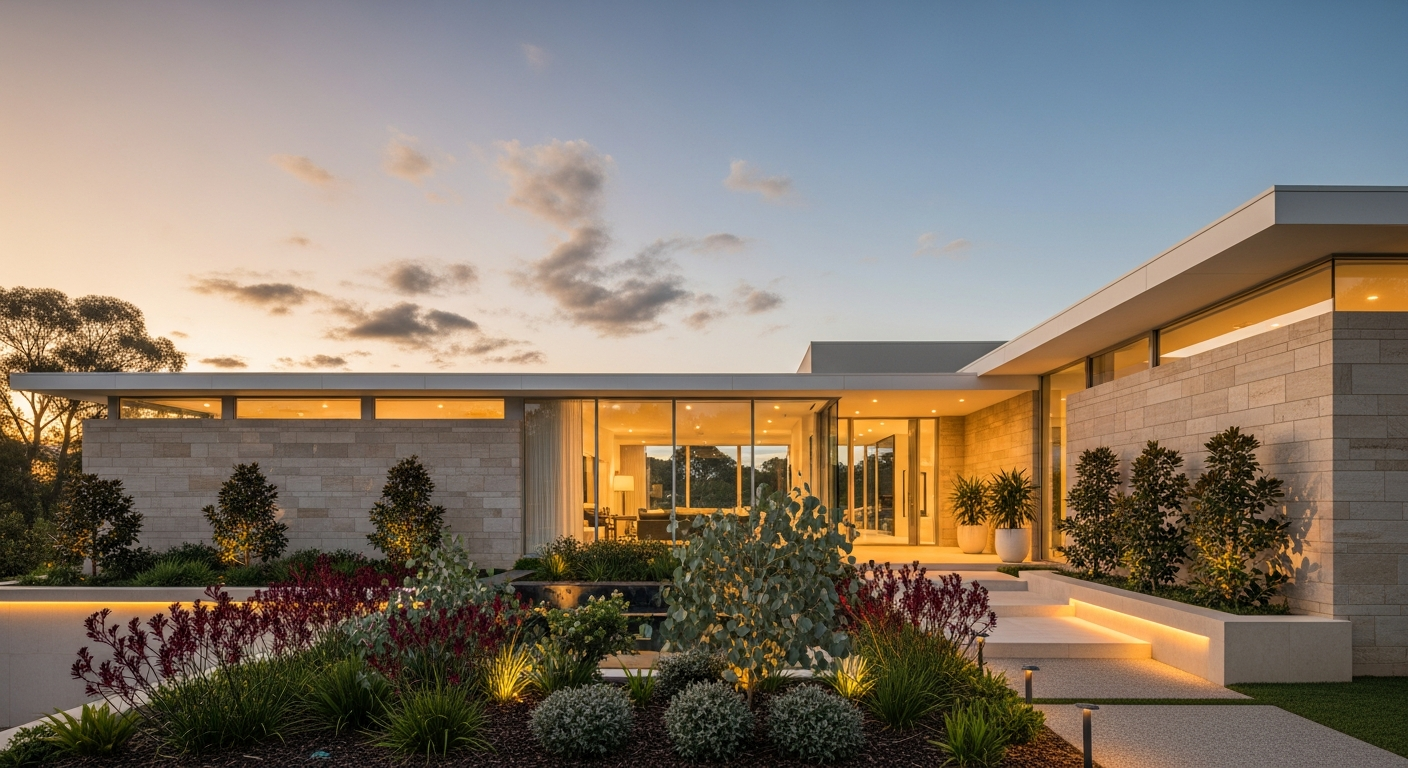
Fun Fact: Randwick’s proximity to Coogee Beach and its sunny climate make energy-efficient cooling a priority for year-round comfort!
Challenges and Future OutlookWhile magnetic refrigeration AC is promising, it’s still experimental in 2025. Here are some challenges and what lies ahead:
- High Initial Costs: The technology requires expensive materials like rare-earth alloys, but ongoing research aims to make it more affordable.
- Scalability: Prototypes are effective, but widespread adoption in homes requires further development.
- Future Potential: Experts predict that by 2030, magnetic refrigeration could become mainstream, with companies like Daikin exploring commercial applications.
Despite these hurdles, the technology’s environmental and efficiency benefits make it a compelling choice for tech-forward suburbs like Randwick.
Key Takeaways- Magnetic refrigeration AC uses magnetic fields to provide eco-friendly, energy-efficient cooling.
- It’s ideal for tech-savvy, sustainable suburbs like Randwick, offering quiet operation and lower energy bills.
- While still experimental, the technology is gaining traction and could become mainstream by 2030.
- Randwick’s innovative community is well-positioned to embrace this cutting-edge trend.