9 Floor Transition Mistakes That Make a Renovation Look Unfinished
Learn 9 floor transition mistakes that make renovations look unfinished, from height changes and trims to thresholds, doorways, gaps, edges and levelling risks.
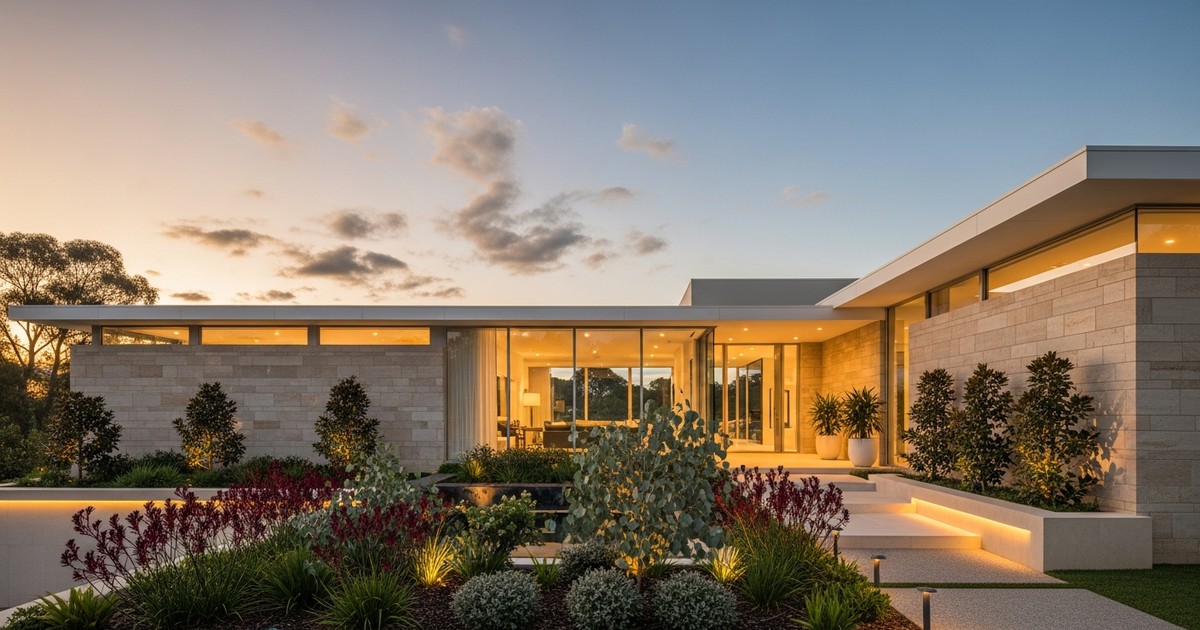
Floor transitions often decide whether a Sydney renovation feels complete or patched together. Doorways, wet-area entries, balcony thresholds, stairs, skirting lines and level changes must be planned before removal, levelling and installation begin. In NSW homes and apartments, poor transitions can affect appearance, safety, sequencing, strata expectations and final handover quality.
The Detail That Exposes The Whole Renovation
A renovation can have premium flooring, fresh paint and new joinery, yet still look unfinished if the floor transitions are wrong. The issue is rarely the transition strip alone. It is usually the result of decisions made earlier: what was removed, how much height was added, whether the slab was levelled, how wet areas were treated and whether adjoining rooms were measured as one system.
Across Sydney apartments, townhouses and older homes, transition mistakes often appear at the most visible points of the project. Doorways, hallway junctions, balcony entries, bathrooms, laundries and stairs become the places where hidden height differences become obvious.
This is why Elyment treats transitions as part of renovation delivery, not as an accessory chosen at the end. The transition is the public evidence of how well the substrate, levelling, flooring build-up and installation sequence were managed.
1. Choosing Flooring Before Confirming Finished Floor Heights
The most common mistake is selecting the new floor finish before confirming the full build-up height. A floating floor, glue-down timber, vinyl plank, microcement system, acoustic underlay or epoxy finish can each create a different finished floor level.
In NSW apartments, the issue is more complex because acoustic underlay may be required by strata by-laws. That underlay can change the height at doorways, kitchens, wet areas and balcony thresholds. If the final height is not calculated early, the project team may be forced to hide mismatches with bulky trims.
Better planning starts with a finished floor level schedule that compares every adjoining surface before materials are ordered.
2. Treating Doorways As Separate Rooms Instead Of One Floor System
Doorways are where separate trades often meet. One team removes tiles. Another removes carpet. A flooring installer measures the rooms. A painter returns for skirting. If no one owns the transition logic, the doorway becomes a compromise point.
A clean renovation should assess:
- the height of each adjoining floor surface
- the direction of floorboards or planks
- the location of door stops and jambs
- whether the transition is visible when the door is open
- whether levelling is required before installation
For project planning, Elyment’s floor levelling and substrate preparation services help property owners understand these risks before installation begins.
3. Using A Trim To Hide A Problem That Should Have Been Levelled
A transition trim can finish an edge. It should not be used as the main solution for a poorly prepared floor. If the height difference is too large, the trim becomes raised, awkward or visually heavy. It can also create a trip point in high-use areas.
The better question is not “which trim will cover this?” but “why is this transition uneven?” In many Sydney renovations, the cause may be old tile adhesive, uneven concrete, timber batten removal, old carpet gripper damage, previous patching or a slab that was never flat.
Where the substrate is the problem, levelling and preparation usually produce a more professional result than adding larger hardware at the end.
4. Ignoring Wet-Area Entries Until The Bathroom Or Laundry Is Finished
Bathrooms and laundries create some of the most sensitive transitions in a renovation. The floor must consider falls, waterproofing, tile thickness, doorway set-out, skirting, trims and the adjoining room finish.
If the wet-area entry is resolved too late, the project may end up with a raised saddle, awkward metal trim or uneven tile-to-timber junction. In apartment work, this can also affect how the finished renovation is perceived by strata committees, owners and future buyers.
NSW Fair Trading notes that residential building work should be supported by clear contract documentation and consumer protections for larger jobs. Planning wet-area transitions early helps reduce disputes about incomplete or defective work. NSW Government guidance on residential building contracts is useful for owners preparing renovation works.
5. Forgetting Balcony And External Thresholds
Balcony transitions are not just visual details. They sit at the intersection of internal flooring, weather exposure, drainage, waterproofing, door tracks and compliance expectations. In Sydney apartments, a balcony doorway can quickly expose whether the internal floor height has been built up without considering external thresholds.
A poor balcony transition can look unfinished even when the flooring itself is well installed. It may also create water management concerns if the internal finish rises too close to the external sill or track.
Before any internal build-up is approved, the balcony threshold should be measured and photographed. The project team should confirm whether the proposed flooring system leaves enough practical separation at the door.
6. Leaving Skirting And Scotia Decisions Too Late
Skirting, Scotia and trims can either make a floor look intentional or reveal a rushed finish. The mistake is treating them as minor finishing items. Their placement depends on wall straightness, expansion gaps, floor height, paint sequencing and whether old skirting is removed or retained.
If skirting is replaced after the floor goes down, the result can be cleaner. If old skirting is retained, Scotia may be needed, but it must be selected carefully. A thick Scotia profile around multiple rooms can make a premium floor look like a budget retrofit.
For owners planning broader renovation works, Elyment’s painting and finishing coordination can support a cleaner sequence between floor installation, trims and final wall finishes.
7. Not Coordinating Stairs, Landings And Nosing Early Enough
Stairs are one of the first places where floor height errors become expensive. Nosing, riser height, landing levels and floor finish thickness must be coordinated before products are ordered.
If the finished floor level changes after stair nosing has been selected, the result can be uneven, non-compliant in appearance or visually awkward. The Australian Building Codes Board’s National Construction Code includes safe movement and access requirements that make stair and transition planning more than a cosmetic issue.
Even in private renovation work, stair junctions should be assessed as part of the overall flooring plan, not left to the final installation day.
8. Allowing Removal Works To Damage Transition Zones
Floor transition quality is often decided during demolition. Tile removal, carpet removal, timber removal and adhesive grinding can damage slab edges, doorways and corners if the work is rushed.
The risk is higher where multiple old surfaces meet. A hallway may contain old carpet adhesive. A kitchen may have tile bedding. A living room may have floating boards over underlay. Once these materials are removed, the exposed substrate may reveal different heights and damaged edges.
SafeWork NSW identifies silica exposure as a construction risk where concrete, tiles and similar materials are cut, ground or disturbed. Dust control and safe work methods should be considered when removal and preparation work is being carried out. For planning, see Elyment’s concrete grinding and surface preparation services.
9. Checking The Transition Only At Final Handover
The final mistake is waiting until handover to inspect transitions. By then, the floor may be installed, skirting fixed, trims ordered and furniture moved back. Any correction becomes slower and more expensive.
A stronger process checks transition risk at four points:
- before demolition, with existing floor heights recorded
- after removal, once the real substrate is exposed
- before levelling or underlay installation
- before final flooring and trims are approved
This is the operational difference between a renovation that looks designed and one that looks patched together.
Transition Planning Checklist For Sydney Renovations
Doorways
- Common risk: Visible height mismatch between rooms
- Better planning step: Measure adjoining finished floor levels before ordering materials
Bathrooms and laundries
- Common risk: Raised wet-area edge or awkward trim
- Better planning step: Coordinate falls, waterproofing, tile thickness and adjoining floor height
Balcony entries
- Common risk: Internal floor built too close to external threshold
- Better planning step: Check door tracks, drainage and sill height early
Stairs and landings
- Common risk: Nosing ordered before final floor height is known
- Better planning step: Confirm finished floor level before fabrication
Skirting lines
- Common risk: Scotia used to hide late-stage gaps
- Better planning step: Decide skirting removal, replacement and painting sequence before flooring
Why These Mistakes Matter More In NSW Apartments
Sydney apartments often involve strata approval, acoustic expectations, lift bookings, common property protection, limited access windows and strict sequencing. A minor floor transition error can become a larger coordination issue when multiple stakeholders are involved.
The owner may see a cosmetic defect. The installer may see a product limitation. The strata manager may see a by-law or acoustic concern. The builder may see a variation. The practical solution is to resolve floor transitions before the project becomes fragmented across trades.
For broader project support, Elyment’s property services and renovation coordination can help owners review the operational risks before works begin.
Plan Floor Transitions Before They Become Handover Defects
Review floor heights, removal scope, substrate preparation, levelling, wet-area entries, stairs and finishing details before the new floor is installed.
Request A Renovation Project Review
The Finished Look Is Decided Before The Floor Goes Down
Floor transitions are small details with large visual consequences. They reveal whether the renovation was planned as a connected project or assembled trade by trade.
For Sydney and NSW property owners, the best result comes from early measurement, careful removal, substrate preparation, levelling review, wet-area coordination and clear finishing decisions. A clean transition is not simply a trim. It is proof that the renovation was managed properly from the ground up.
Sources And References
- Elyment: Floor levelling and substrate preparation services
- NSW Government: Residential building contracts
- Elyment: Painting and finishing coordination
- Australian Building Codes Board
- SafeWork NSW
- Elyment: Concrete grinding and surface preparation services
- Elyment: Property services and renovation coordination
- Elyment: Contact
RENOVATION PLANNING AND FLOOR TRANSITION REVIEW
Check The Floor Transitions Before The Finish Goes Down
Elyment helps Sydney and NSW property owners review floor heights, removal scope, substrate preparation, levelling, wet-area entries, stairs, trims and project sequencing before installation begins.
Book a Transition ReviewRelevant next actions
Explore the ELYMENT service most closely connected to this article.