AI Property Ads: Legal Risks & Disclosure Rules in Sydney
In Sydney's fast-paced real estate scene, where competition is fierce, agents and landlords are turning to AI to make properties look their best.
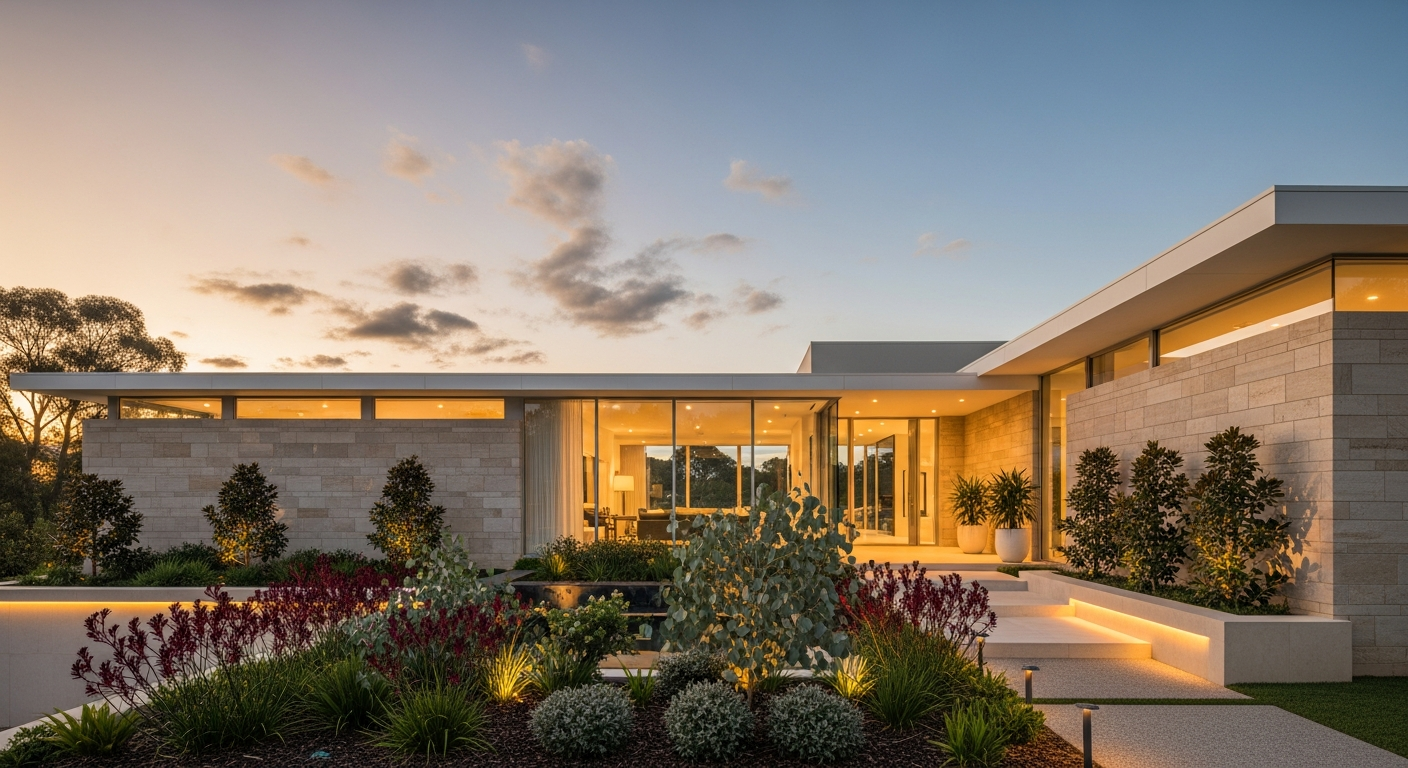
In Sydney's fast-paced real estate scene, where competition is fierce, agents and landlords are turning to AI to make properties look their best. But what happens when those shiny images cross the line into misleading territory? This article dives into the legal risks and disclosure rules you need to know. Inspired by recent reports from The Guardian and MPA Magazine, we'll keep it straightforward and helpful.
Understanding AI in Property Advertising
AI tools are changing how we market properties. They can generate stunning images, add virtual furniture, or even write descriptions. In Sydney, where buyers and renters move quickly, these tools help listings stand out.
But here's the catch: if AI alters a photo to hide cracks or make a room look bigger, it could mislead people. Under Australian Consumer Law, that's not okay.

Common AI Uses in Real Estate Ads
- Generating virtual staging, like adding beds or sofas to empty rooms.
- Enhancing photos to remove damage or improve lighting.
- Creating property descriptions that might include false details, like nearby schools that don't exist.
Legal Risks Involved
Misleading ads can lead to big trouble. In Sydney's competitive market, where properties sell or rent fast, false representations waste time and money for everyone.
The main law here is the Australian Consumer Law (ACL), which bans misleading or deceptive conduct. If an AI-generated image doesn't match the real property, you could face complaints or fines.

Recent Examples from Australia
One agency used AI to write a listing that mentioned non-existent schools. Another altered photos to hide faults, leading to calls for stricter rules.
- AI adding furniture to make rooms seem larger than they are.
- Digitally removing damage, like cracks or stains.
- Generating fake views or greenery.
Source: The Guardian on AI gaffes in real estate.
Disclosure Requirements in NSW
New laws in NSW, like the Residential Tenancies Amendment Bill 2025, require you to disclose if images are digitally altered. This applies to rental ads, but similar principles cover sales.
If you don't disclose, penalties apply: up to $5,500 for individuals and $22,000 for businesses.

What You Must Disclose
- Any AI or digital changes that could mislead, like hiding defects.
- The age of photos if they're not current.
- Other details like repairs or energy efficiency (suggested but not always required).
For more, check our real estate compliance services.
Best Practices for Compliance
Stay safe by following these tips:
- Always label AI-generated or altered images clearly.
- Double-check AI-written descriptions for accuracy.
- Use AI ethically to enhance, not deceive.
- Train your team on the latest laws.

Key Takeaways
- AI can boost your ads, but misleading changes are illegal under ACL.
- NSW requires disclosure for altered images in rentals, with hefty fines for non-compliance.
- In Sydney's market, transparency builds trust and avoids risks.
- Calls are growing for national rules to match NSW's standards.
Conclusion
Navigating AI in property advertising doesn't have to be tricky. With the right knowledge, you can use these tools safely. Follow us on X at @ElymentGroup or visit elyment.com.au for more insights.
Safeguard Your Property Ads – Consult Experts Now!
Safeguard Your Property Ads – Consult Experts Now!