Air Conditioners with Advanced Filters Combat Sydney’s Pollen-Heavy Spring
Spring in Sydney brings vibrant blooms but also high pollen levels, triggering allergies for many.
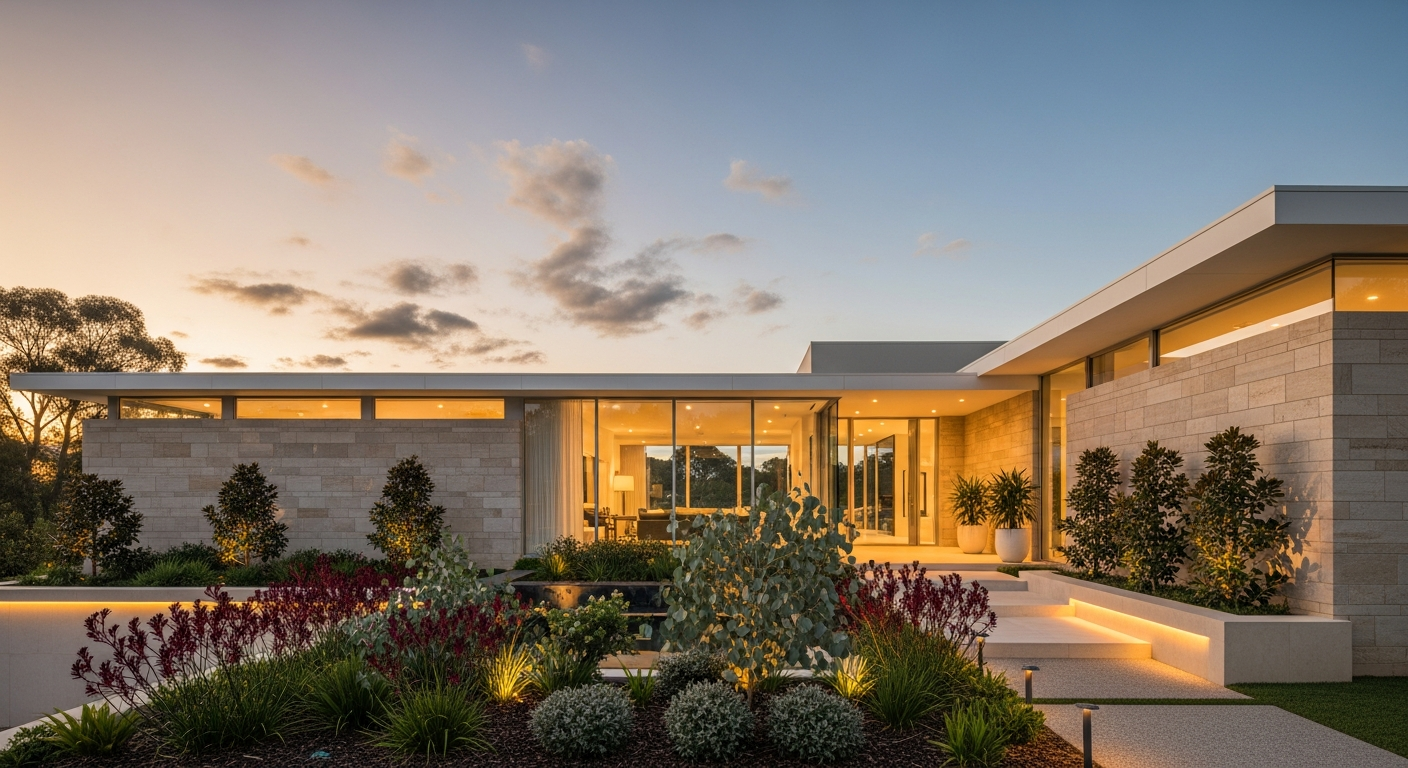
Spring in Sydney brings vibrant blooms but also high pollen levels, triggering allergies for many. Air conditioning units with advanced filtration systems are gaining popularity, offering relief from allergens while keeping homes cool. This article explores their rise, benefits, and how they transform indoor living during Sydney’s challenging spring season.
Why Sydney’s Spring Needs Air Purifiers
Sydney’s spring (September–November) sees high pollen from wattles, eucalyptus, and grasses, worsened by urban pollution and coastal winds. About 20% of Australians suffer from hay fever, per the Australian Institute of Health and Welfare, making air quality a priority. Standard air conditioners cool but don’t tackle allergens, unlike units with advanced filtration.
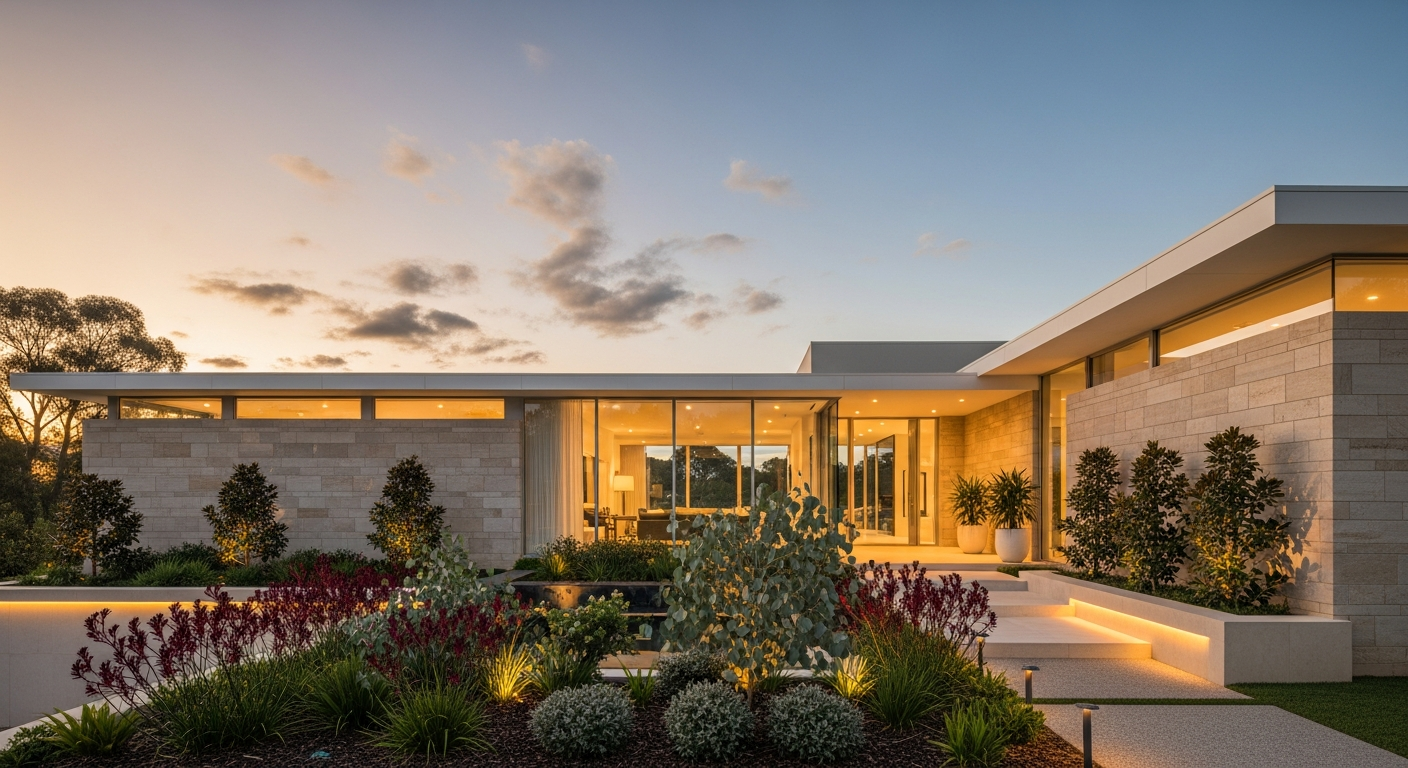
Pollen’s Impact on Sydney
- Health Risks: Pollen triggers asthma, hay fever, and respiratory issues, especially in kids and seniors.
- Urban Factors: Pollution and winds spread pollen, increasing exposure.
- Indoor Concerns: Pollen enters homes without proper filtration.
How Advanced Filtration Systems Work
Modern air conditioners integrate technologies like HEPA filters, ionisers, and photocatalytic filters to purify air. Here’s how:
- HEPA Filters: Trap 99.97% of particles (0.3 microns), like pollen and dust.
- Ionisers: Neutralise allergens for easier trapping.
- Photocatalytic Filters: Eliminate odours, bacteria, and viruses.
- Smart Sensors: Adjust filtration based on air quality.
Brands like Daikin and Mitsubishi Heavy Industries use technologies like nanoe™ X and Allergen Clear Filter® to deactivate allergens, ideal for Sydney’s humid spring.
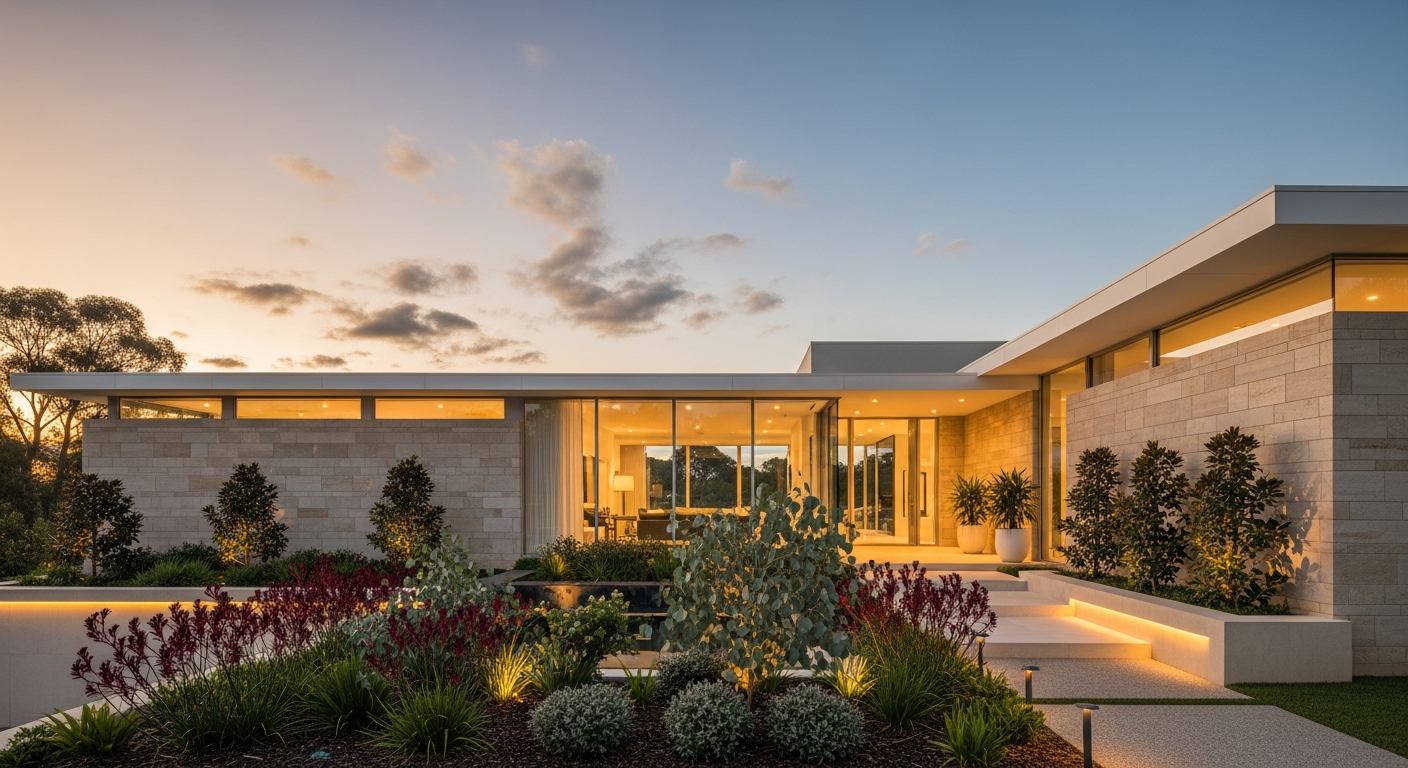
Benefits for Sydney Homes
These units offer multiple advantages:
- Allergy Relief: Reduce pollen, dust, and pet dander exposure.
- Cleaner Air: Filter pollutants for healthier indoor environments.
- Energy Savings: Inverter technology cuts electricity use.
- Year-Round Use: Reverse-cycle systems cool and heat.
- Smart Controls: Wi-Fi and AI features enhance convenience.
A 2022 DCCEEW report notes 1.09 million split-system sales in Australia in 2021, driven by demand for health-focused, efficient units.
Top Brands for Sydney
Leading brands include:
- Daikin: Energy-efficient with Asthma Council-endorsed filters.
- Mitsubishi Electric: Plasma Quad filtration for quiet, allergen-free air.
- Panasonic: nanoe™ X technology for allergen and virus removal.
- Fujitsu: Reliable, energy-efficient with strong filtration.
- Rinnai: Affordable with solid air purification.
These meet Australian standards like AS 4254 and MEPS for efficiency and safety.
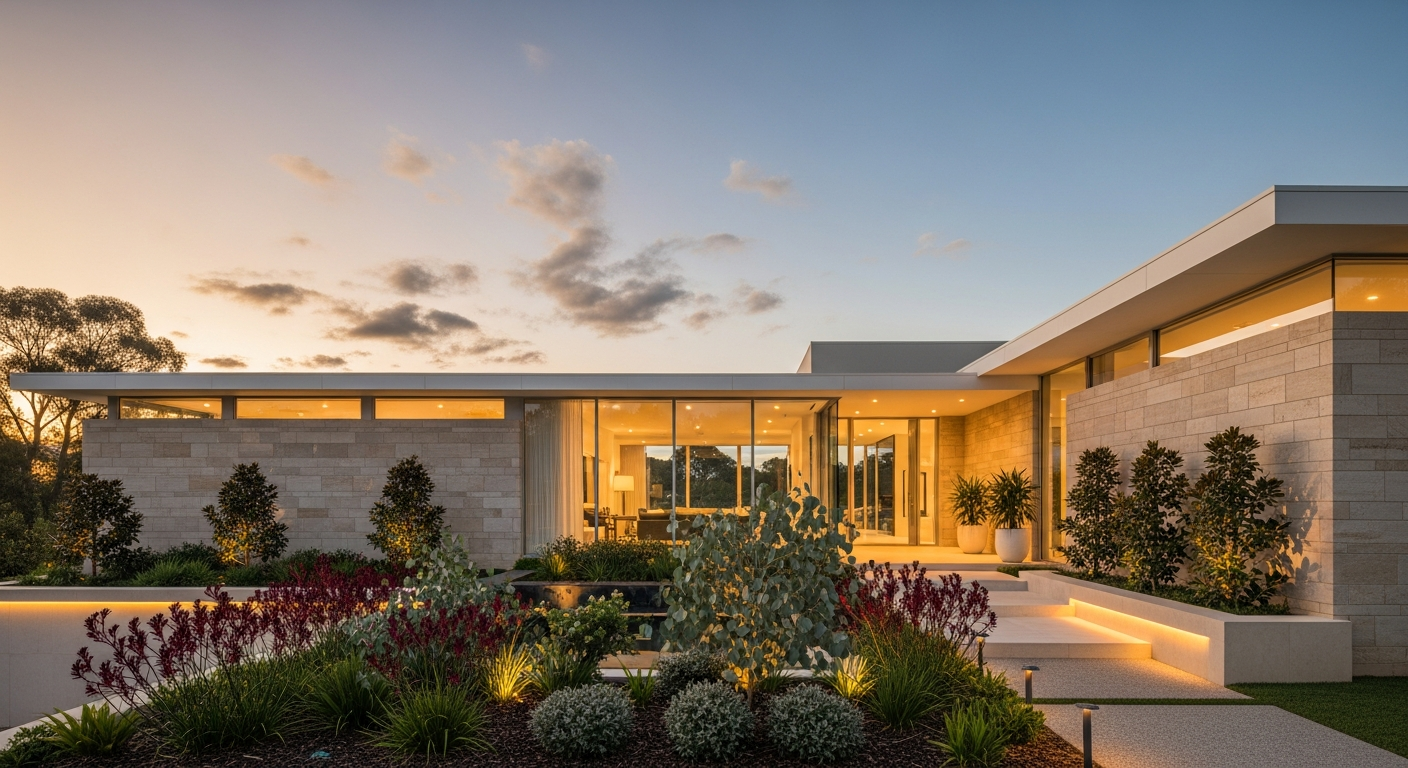
Choosing the Right Unit
Consider these factors:
- Room Size: Match cooling capacity (kW) to space; Western Sydney needs differ from Bondi.
- Filtration: Prioritise HEPA or ionising filters for allergies.
- Efficiency: High Energy Star ratings save costs.
- Smart Features: Apps like Kelvinator Connect add convenience.
- Installation: Use licensed professionals for compliance.
Ducted systems suit whole homes; split systems fit apartments. Companies like Maxim Air offer expert installation in Sydney.
Key Takeaways
- Advanced filtration air conditioners reduce pollen and allergens, ideal for Sydney’s spring.
- Technologies like HEPA and ionisers improve air quality and health.
- Energy-efficient, smart units balance comfort and cost.
- Top brands like Daikin and Mitsubishi lead in performance.
- Choose units based on room size, filtration, and professional installation.
For more on air conditioning solutions, visit elyment.com.au or follow us on X at @ElymentGroup.
Breathe Easy This SpringRelevant next actions
Explore the ELYMENT service most closely connected to this article.