Can Old Flooring Actually Look Intentional? Why Sydney Designers Are Refinishing Instead of Replacing
Learn why Sydney designers are refinishing old flooring instead of replacing it, creating intentional, character-rich interiors with lower waste and cost risks.
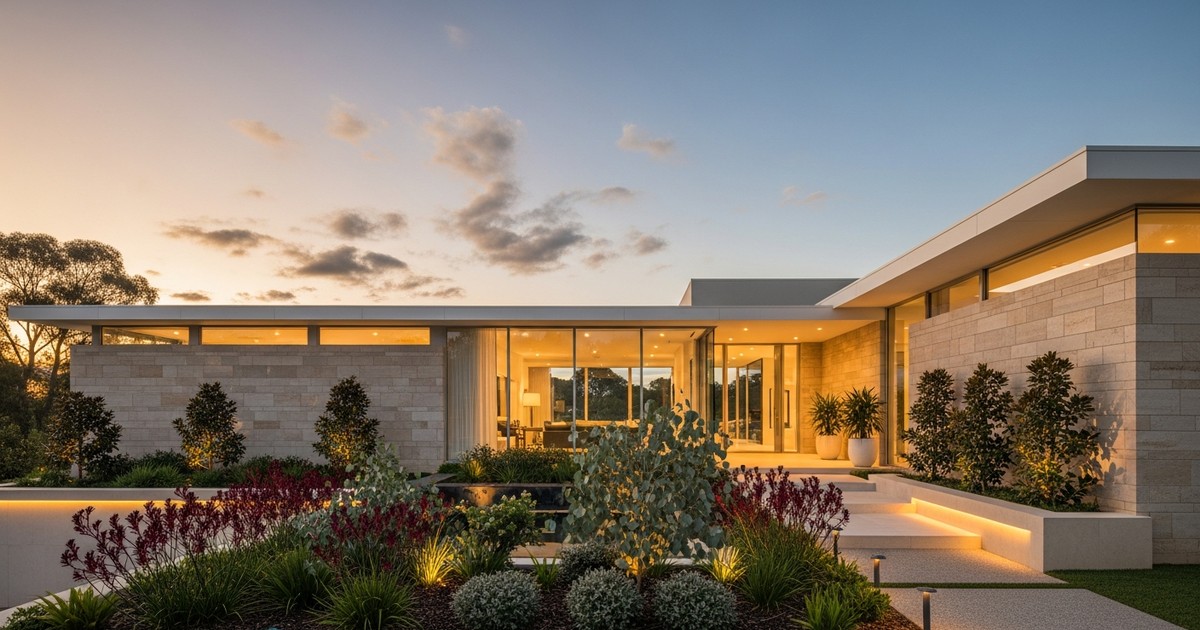
A growing number of renovation projects across Sydney are proving that aged flooring, when handled correctly, can become one of the strongest design features in a space.
Making old flooring feel intentional refers to a renovation approach where existing timber, polished concrete, or aged surfaces are restored, levelled, or treated with finishes such as microcement, sealers, or selective overlays, rather than being fully removed and replaced. This strategy reduces waste, controls cost, and preserves the material character of a property.
There is a moment in almost every renovation where someone stands in a room, looks down at a scratched timber floor or an uneven concrete slab, and assumes the only option is demolition. Pull it all out. Start fresh. Spend accordingly.
Across Sydney, that assumption is changing. Architects, interior designers, and experienced property renovators are taking a different view. Instead of treating aged flooring as a problem to remove, they are treating it as a surface to work with. The results, in many cases, are more distinctive than anything a brand-new installation could deliver.
This is not about neglect. It is about understanding the difference between a surface that is worn and a surface that is structurally compromised. The distinction matters, both for design outcomes and for the budgets that fund them.
What Is the "Intentional Old Flooring" Approach in Sydney Renovations?
The intentional old flooring approach is a design and construction strategy where existing floor surfaces are assessed, selectively repaired, and finished in a way that makes their age, texture, and patina part of the overall aesthetic. Rather than replacing the floor entirely, the renovation process works with what is already there.
In practice, this can involve several techniques depending on the material and condition:
- Concrete grinding and honing to expose aggregate and create a polished, industrial finish on existing slabs
- Microcement or cementitious overlay application to smooth uneven surfaces while adding a contemporary, seamless finish
- Timber floor sanding and refinishing with oils, stains, or matte sealers that enhance natural grain and patina
- Selective floor levelling to correct dips and unevenness before applying a new finish layer
- Adhesive removal from old carpet or vinyl installations to reveal usable concrete or timber substrates beneath
- Threshold and transition management to connect different flooring materials between rooms in a way that reads as deliberate
The principle is straightforward. An old floor is not automatically a failed floor. Its history becomes part of the design narrative.
How Does This Impact Sydney Property Owners or Businesses?
For Sydney property owners, the financial impact of choosing refinishing over replacement is often significant. Full flooring replacement involves demolition, waste disposal, subfloor preparation, new material purchase, and installation labour. Each of those steps carries a cost, and each introduces a risk of discovering further issues beneath the surface.
Refinishing, when the substrate is sound, eliminates the demolition and disposal phases entirely. It shortens project timelines. It reduces the volume of material sent to landfill, which aligns with the waste reduction expectations outlined in the NSW Environment Protection Authority guidelines for construction and demolition waste.
For commercial and strata properties, the impact extends further. Faster turnarounds mean shorter tenant vacancy periods. Lower disruption means less friction with building management and neighbouring units. In strata contexts, where approvals and by-laws govern renovation work, a less invasive process is almost always easier to navigate.
Elyment's concrete grinding and floor levelling services are frequently engaged for exactly this reason. A slab that looks unsalvageable under old adhesive or carpet often turns out to be a strong, workable surface once the right preparation is carried out.
Why Is This Important for NSW Projects or Compliance?
NSW building and renovation projects operate within a regulatory framework that touches on waste management, workplace safety, and material handling. These are not optional considerations. They shape how flooring work is scoped, executed, and documented.
Waste and Disposal Obligations
Construction and demolition waste in NSW is regulated under the Protection of the Environment Operations Act 1997. Full flooring replacement generates substantial waste: old timber, adhesive-contaminated materials, carpet underlay, and packaging from new products. Licensed disposal is required for certain waste streams, particularly materials containing asbestos or hazardous adhesives common in pre-1990 buildings.
Refinishing substantially reduces the volume of waste generated, which simplifies compliance obligations and lowers disposal costs.
Subfloor Assessment and Structural Integrity
Before any flooring decision is made, the substrate must be assessed. This is where technical expertise matters most. A concrete slab may have moisture issues, cracking, or unevenness that affects what finish is viable. Timber floors may have joist deterioration or subfloor ventilation problems that sanding alone cannot solve.
A qualified assessment determines whether a surface is a candidate for refinishing or whether removal is genuinely necessary. Getting this wrong leads to finish failure, moisture damage, or costly rework. The NSW building and construction guidelines require that renovation work meets the performance requirements of the National Construction Code, including moisture management and structural adequacy.
Asbestos and Hazardous Material Considerations
Sydney has a significant stock of buildings constructed before 1990. Old vinyl tiles, certain adhesives, and some underlay materials in these properties may contain asbestos. Disturbing these materials during full demolition triggers strict SafeWork NSW requirements for licensed removal, air monitoring, and disposal.
A refinishing approach that carefully assesses and manages these materials, rather than demolishing through them, can reduce regulatory exposure. However, any suspected asbestos must be tested before work proceeds. This is non-negotiable under NSW law.
What Does This Typically Cost or Affect in Sydney?
Cost varies depending on the substrate, the condition of the existing floor, and the finish selected. The details below outline typical ranges for common refinishing approaches compared to full replacement in Sydney.
Concrete grinding and sealing
- Typical cost range: $45 to $85 per square metre
- Timeline impact: 2 to 4 days for a standard residential area
- Waste generated: Minimal, with dust collected during grinding
Microcement overlay
- Typical cost range: $80 to $160 per square metre
- Timeline impact: 4 to 7 days including curing
- Waste generated: Low, with overlay material only
Timber sanding and refinishing
- Typical cost range: $35 to $70 per square metre
- Timeline impact: 3 to 5 days including drying
- Waste generated: Low, with sanding dust collected
Floor levelling compound application
- Typical cost range: $25 to $55 per square metre
- Timeline impact: 1 to 3 days including curing
- Waste generated: Minimal
Full replacement, timber or engineered
- Typical cost range: $90 to $220 per square metre
- Timeline impact: 5 to 10 days including demolition and disposal
- Waste generated: High, with all old materials removed
Full replacement, tile removal and relay
- Typical cost range: $100 to $250 per square metre
- Timeline impact: 7 to 14 days including demolition and disposal
- Waste generated: High, with all old tiles, adhesive, and packaging removed
These figures are indicative and based on typical Sydney market conditions. Actual costs depend on site access, property condition, and scope. The economic case for refinishing becomes stronger when the existing substrate is structurally sound and the desired aesthetic aligns with the material's natural character.
“The most expensive flooring decision in any renovation is the one made without understanding what is already underfoot.”
What Are the Risks or Benefits of Refinishing Versus Replacing?
Benefits
- Cost control: Avoiding demolition, disposal, and new material purchase typically reduces project costs by 30 to 60 percent for suitable substrates
- Faster completion: Refinishing work is generally completed in half the time of a full replacement, reducing disruption to occupants
- Design character: Aged timber grain, concrete patina, and the texture of well-worn surfaces add visual depth that new materials cannot replicate
- Sustainability: Less waste to landfill, fewer new materials consumed, and lower embodied carbon in the finished renovation
- Less invasive: Reduced noise, dust, and vibration compared to full demolition, which matters in occupied homes, strata buildings, and commercial spaces
Risks
- Hidden substrate failure: If the underlying structure is compromised, refinishing will mask the problem temporarily but not solve it. Proper assessment is essential before committing to a finish
- Moisture issues: Concrete slabs without adequate moisture barriers may cause finish delamination. Moisture testing should always precede overlay or sealing work
- Uneven results: Heavily damaged or inconsistent substrates may not respond uniformly to grinding or staining, leading to patchy or uneven finishes
- False economy: Choosing refinishing purely to save money, without a genuine design rationale or substrate suitability, can result in a finish that looks like a compromise rather than a choice
The critical factor is professional assessment. A flooring specialist with experience across concrete grinding, levelling, timber restoration, and overlay systems can evaluate whether a surface is a refinishing candidate or a replacement case. This assessment is where technical knowledge and design understanding intersect.
How Do You Decide Between Refinishing and Replacing?
There is no universal answer. The decision depends on a sequence of evaluations:
- Substrate condition assessment: Is the structural base, whether concrete slab, timber joists, or subfloor, sound? If the base is failing, no finish will perform long-term
- Moisture testing: For concrete, moisture vapour transmission rates must be measured. For timber, moisture content and ventilation adequacy are checked
- Existing material identification: What is currently on the floor? Old adhesive, tiles, carpet, or vinyl each present different preparation requirements and potential hazards
- Design intent alignment: Does the desired aesthetic work with the existing material's character? Polished concrete suits industrial and minimalist interiors. Aged timber suits heritage and warm-toned spaces. Microcement bridges both
- Budget and timeline constraints: What is the realistic budget, and what is the project deadline? Refinishing typically offers faster delivery at lower cost, but only when the substrate cooperates
- Compliance requirements: Are there strata by-laws, heritage overlays, or building code obligations that influence the scope of work?
Elyment's approach to this process is built on direct, on-site assessment. Before recommending refinishing or replacement, the team inspects the substrate, identifies any compliance considerations, and provides a transparent scope that reflects the actual condition of the property. This is part of how Elyment manages floor levelling and preparation work across residential, commercial, and strata projects in Sydney.
What Are Sydney Designers Actually Doing With Old Floors?
The trend toward intentional old flooring is visible across several project types in Sydney:
- Inner-west terrace renovations: Original Baltic pine or Sydney blue gum timber floors are being sanded back to raw timber and finished with natural oils, preserving the character of 19th-century homes while meeting modern liveability standards
- Warehouse and industrial conversions: Existing concrete slabs in former warehouses across Alexandria, Marrickville, and St Peters are being ground and polished to create open-plan living and working spaces where the floor tells the building's industrial history
- Strata apartment upgrades: Owners in older apartment blocks across the Eastern Suburbs and North Shore are using microcement overlays to transform dated tiles and worn vinyl into seamless, contemporary surfaces without the cost and disruption of full removal in multi-storey buildings
- Commercial fitouts: Cafes, studios, and retail spaces in Newtown, Surry Hills, and Paddington are choosing raw and semi-finished floor surfaces as deliberate design elements, reducing fitout costs while creating a distinctive atmosphere
In each case, the flooring decision is driven by design intent, not by default. The floor is treated as a material choice with its own value, not as something that needs to be hidden under something new.
Planning a Renovation in Sydney?
Elyment provides concrete grinding, floor levelling, microcement overlays, and full flooring supply and installation across NSW. Get a professional substrate assessment before committing to a scope of work.
Why Choose Elyment Property Services in NSW?
Elyment Property Services operates as a multi-disciplinary property and renovation company in Sydney, with direct capability across the full flooring workflow. This includes initial substrate assessment, concrete grinding, floor levelling, adhesive removal, microcement overlay application, and the supply and installation of finished flooring.
What distinguishes the approach is integration. Many flooring projects fail not because of the final finish, but because of inadequate preparation. A poorly levelled slab beneath a new overlay. An adhesive residue that was not properly removed before coating. A moisture issue that was overlooked in the assessment phase. These are the failures that cost the most to correct.
Elyment's process addresses each stage within a single, accountable scope. The company holds a 5-star Google rating, reflecting consistent delivery across residential, commercial, and strata projects throughout Sydney and greater NSW.
For property owners, developers, and project managers who want a flooring outcome that is technically sound, aesthetically considered, and delivered without unnecessary demolition, the starting point is a conversation about what the existing surface can become.
Explore Elyment's full range of concrete grinding, floor levelling, and renovation services, or contact the team to discuss your project.
Sources and References
NSW Environment Protection Authority, construction and demolition waste guidelines
Protection of the Environment Operations Act 1997, NSW waste regulation
NSW Government Housing and Construction, building code requirements
SafeWork NSW, asbestos and hazardous material handling requirements
Australian Building Codes Board, National Construction Code performance requirements
Relevant next actions
Explore the ELYMENT service most closely connected to this article.