Can You Paint Outside on a Windy Day? The Sydney Overspray Risk Homeowners Forget
Painting outside on a windy Sydney day can cause overspray, poor finish, neighbour damage and costly clean-up, so check conditions before starting work safely.
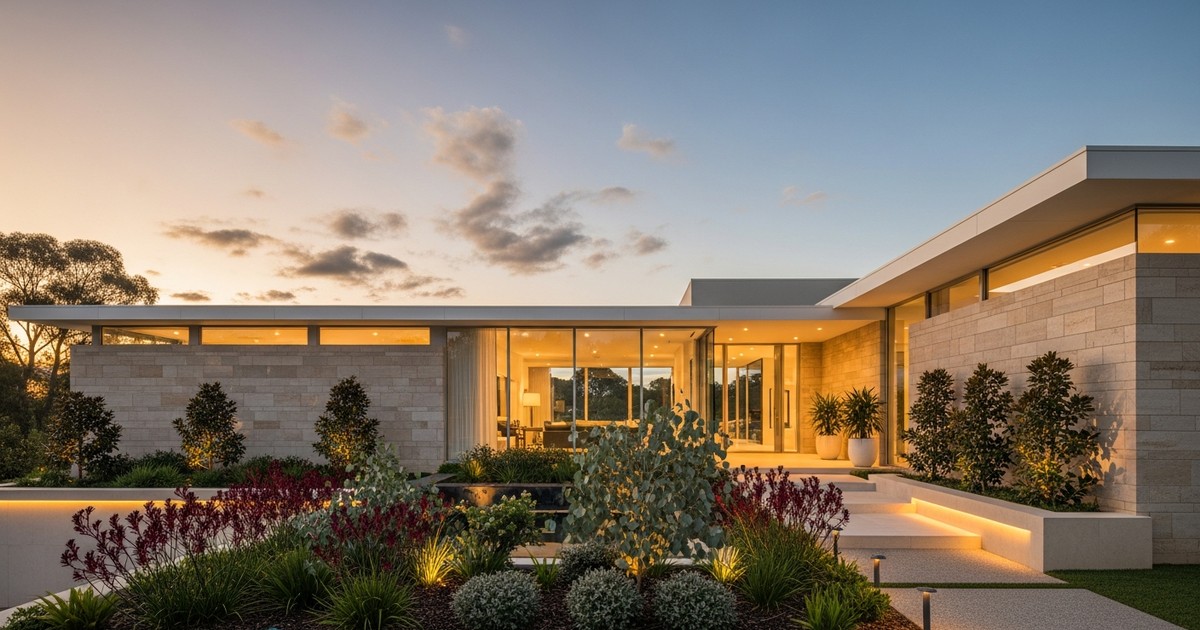
Yes, some exterior painting can proceed in light, controlled wind, but windy Sydney conditions create a serious overspray, finish and neighbour-risk issue. The decision depends on wind direction, elevation, product, application method, masking, access and nearby surfaces such as cars, glass, pools, solar panels and neighbouring façades. For spray work, wind can turn a painting job into a contamination and complaint problem before the coating has cured.
Exterior painting is often treated as a straightforward weather decision: no rain, acceptable temperature, dry wall, work can proceed. In Sydney, that approach misses one of the most common operational risks on exposed residential projects. Wind does not only affect how paint dries. It affects where paint goes.
For homeowners, strata committees, builders and renovation managers, overspray is rarely visible in the quote stage. It becomes visible later, on a neighbour’s car, a glass balustrade, a pool fence, aluminium window frames, paving, solar panels, landscaping, outdoor furniture or a freshly finished façade next door.
That is why windy-day painting should be treated as a project delivery decision, not just a painter’s preference. Elyment’s interior and exterior painting services sit within broader renovation coordination, where weather, access, masking, adjoining properties, finish quality and sequencing all affect the final result.
The real question is not whether paint will stick
Paint adhesion matters, but it is not the only issue. A windy exterior painting day can create four separate problems:
- Application drift: spray, mist or fine droplets can travel beyond the intended surface.
- Surface contamination: dust, leaves, grit and airborne debris can settle into wet coating.
- Uneven drying: wind can accelerate surface drying, increasing the risk of lap marks and inconsistent finish.
- Neighbour impact: overspray can land outside the site boundary, creating complaints, cleaning costs and dispute risk.
The finish may look acceptable from a distance, but the operational fallout can be larger than the painting task itself. One windy afternoon can affect adjacent cars, strata common property, neighbouring windows, balconies, gardens and shared driveways.
Why Sydney sites are especially exposed
Sydney’s residential building stock creates a specific overspray problem. Many homes, duplexes, townhouses and apartments are built close to boundary lines. Coastal suburbs can experience shifting sea breezes. Elevated sites in the Eastern Suburbs, Northern Beaches, Lower North Shore and Inner West can be more exposed than they appear at street level. Western Sydney sites can face dry, dusty wind that carries particles onto wet coatings.
The risk is not limited to waterfront homes. Narrow side access, shared driveways, high-density strata buildings and neighbouring renovations can all make wind control harder. A façade that looks sheltered at 8:00 am may become exposed by midday once the wind direction changes.
Project teams should review the Bureau of Meteorology warnings and forecasts, but they should not rely on a suburb-wide forecast alone. Site-specific wind direction, elevation, surrounding buildings and application method often decide whether the work is sensible on the day.
Overspray is a contamination issue, not a cosmetic inconvenience
The NSW Environment Protection Authority describes overspray as paint, powder and solvent that misses the item being coated in its guidance on spray painting and surface coating. On residential sites, that definition becomes practical very quickly.
If paint mist travels beyond the wall, fence or cladding being coated, it can land on surfaces that are difficult or expensive to clean. Glass, powder-coated aluminium, polished stone, vehicles, pool surrounds, roof sheets and solar panels can all be affected. In a strata building, the affected surface may not even belong to the owner who authorised the work.
Surface at risk: Neighbouring cars
- Why wind increases the risk: Fine droplets can drift beyond the driveway or site boundary.
- Project response: Notify owners, move vehicles, cover only where suitable, avoid spray in gusty conditions.
Surface at risk: Glass and windows
- Why wind increases the risk: Paint mist can dry as a fine film on reflective surfaces.
- Project response: Mask properly, inspect edges, avoid spraying toward glass in crosswind.
Surface at risk: Pool fencing and balustrades
- Why wind increases the risk: Exposed panels catch airborne droplets and dust.
- Project response: Protect panels and schedule work when wind direction is favourable.
Surface at risk: Solar panels
- Why wind increases the risk: Overspray and airborne dust can settle on panel surfaces.
- Project response: Review roofline exposure and avoid uncontrolled spray near panel arrays.
Surface at risk: Fresh paving or stone
- Why wind increases the risk: Porous finishes can absorb fine paint deposits.
- Project response: Use temporary protection and avoid painting during dusty wind.
Brush, roller or spray: the method changes the decision
Not every exterior painting method carries the same wind risk. A sheltered wall painted by brush or roller may still be manageable in light wind. Spray painting is different because atomised coating can travel beyond the target surface if the environment is not controlled.
The SafeWork NSW Spray Painting and Powder Coating Code of Practice sets out a risk management approach for spray painting, including identifying hazards, assessing risks and using control measures. On a residential exterior, that translates into a simple operational principle: if wind makes the work hard to contain, the job should be paused, changed or rescheduled.
A practical decision matrix for windy-day painting
Condition on site: Light, steady breeze away from neighbours and protected surfaces
- Possible decision: Brush or roller work may proceed with controls.
- Reason: Risk is lower if the surface is sheltered and protection is in place.
Condition on site: Wind direction changes during the day
- Possible decision: Limit work to sheltered elevations or pause.
- Reason: Overspray risk can change faster than the work plan.
Condition on site: Gusty conditions around scaffolding, balconies or rooflines
- Possible decision: Do not proceed with spray work.
- Reason: Gusts make containment unreliable.
Condition on site: Nearby vehicles, glass, pools or solar panels cannot be protected
- Possible decision: Reschedule or change method.
- Reason: Cleaning and dispute risk can exceed painting cost.
Condition on site: Dust, leaves or debris blowing across the workface
- Possible decision: Delay coating application.
- Reason: Contaminants can embed in the finish.
The strata complication
In a detached house, the owner may control most of the surrounding risk. In a strata building, the situation is different. External walls, balcony edges, balustrades, windows, entry points, common driveways and façades may involve owners corporation rules, by-laws, access bookings and common property obligations.
A windy-day painting decision can therefore affect more than finish quality. It can affect lift protection, scaffold timing, common-area access, neighbouring lots, complaint handling and responsibility for cleaning. For apartments and townhouses, Elyment’s Sydney property and renovation coordination often considers how one trade’s timing affects surrounding occupants and shared assets.
Licensing and scope should be checked before work starts
NSW Government guidance states that a contractor licence is required for residential building or trade work, including painting, valued at more than $5,000 in labour and materials including GST. It also explains that painting work can include surface preparation and minor repairs before painting.
For homeowners, this matters because windy-day decisions should not be made informally once the team is already set up. The quote should identify the application method, surface preparation, access requirements, protection scope, weather exclusions and what happens if the day is unsuitable.
Clear scope protects both sides. It avoids the common dispute where a contractor feels pressured to proceed because labour is booked, while the owner assumes weather risk is entirely the contractor’s problem.
What should be in the pre-paint site review
A professional exterior painting plan should review the site before coating starts, not after overspray has occurred. The practical questions are straightforward:
- Which elevations are exposed to wind at different times of day?
- Will spray, brush or roller be used on each surface?
- What neighbouring assets sit downwind from the work area?
- Are cars, outdoor furniture, pool fencing, solar panels and windows protected?
- Does strata approval or neighbour notification apply?
- What is the stop-work trigger if wind increases?
- Who checks the finished area and surrounding surfaces before protection is removed?
These questions are not administration for administration’s sake. They reduce the chance of a small exterior painting job becoming a larger clean-up, insurance or neighbour issue.
Sequencing with other renovation work
Windy-day painting also affects broader renovation sequencing. If external painting is scheduled before new paving, glazing clean-up, landscaping or balcony works, overspray risk may be easier to manage. If painting happens after premium finishes are installed, the cost of protection increases.
This is similar to other renovation sequencing issues. Dust from demolition, adhesive residue after removal and surface contamination before coatings can all affect later finishes. Elyment’s tile removal and floor preparation services in Sydney follow the same operational logic: the sequence matters because every trade leaves conditions for the next trade.
For exterior painting, the best time to decide on protection is during planning, not on the morning of application.
The cost of stopping can be lower than the cost of proceeding
Homeowners sometimes resist postponement because they see a lost day of labour. That can be understandable, especially when scaffold, access equipment, tenants, strata bookings or other trades are involved.
But the commercial comparison should include the cost of proceeding in poor conditions. Overspray cleaning, vehicle detailing, glass restoration, neighbour complaints, rework, patchy finish, delayed handover and reputational risk can outweigh the cost of rescheduling.
A good project plan makes postponement less painful by setting expectations upfront. If the quote says external painting is subject to wind, rain, substrate moisture, access and protection conditions, the decision becomes a managed project control rather than a last-minute argument.
What Sydney homeowners should ask before approving exterior painting
- Will any part of the work be sprayed?
- What wind conditions would cause the team to stop?
- Which neighbouring surfaces are included in the protection plan?
- Are vehicles, pools, glass, paving and solar panels considered?
- Who is responsible for neighbour notification if required?
- Does the scope include clean-up inspection around the work area?
- Is the contractor appropriately licensed where the value and nature of work requires it?
Review the weather, access, protection and overspray risks before the job starts
Planning exterior painting in Sydney?
Elyment can help property owners, strata stakeholders and renovation teams review painting scope, site sequencing, protection requirements and project delivery considerations before exterior work proceeds.
Request A Project Review: Elyment contact
The bottom line
Painting outside on a windy day is not automatically impossible. It is, however, a decision that needs more discipline than many homeowners expect. The right answer depends on the surface, method, wind direction, site exposure, protection plan and surrounding assets.
In Sydney, the forgotten risk is not simply whether the paint will dry. It is whether the paint will stay where it is meant to go. Once overspray leaves the workface, the project becomes more than a painting job. It becomes a coordination, compliance, neighbour and cost-management problem.
Sources And References
- Elyment: Interior And Exterior Painting Services
- Bureau of Meteorology: Warnings And Forecasts
- NSW Environment Protection Authority: Spray Painting And Surface Coating
- SafeWork NSW: Spray Painting And Powder Coating Code Of Practice
- Elyment: Sydney Property And Renovation Coordination
- Elyment: Tile Removal And Floor Preparation Services In Sydney
- Elyment Contact
Relevant next actions
Explore the ELYMENT service most closely connected to this article.