Energy-Efficient Heating: How Air Conditioners Save Costs in Sydney’s Winter
Discover how reverse-cycle air conditioners with high energy ratings can slash your winter electricity bills in Sydney.
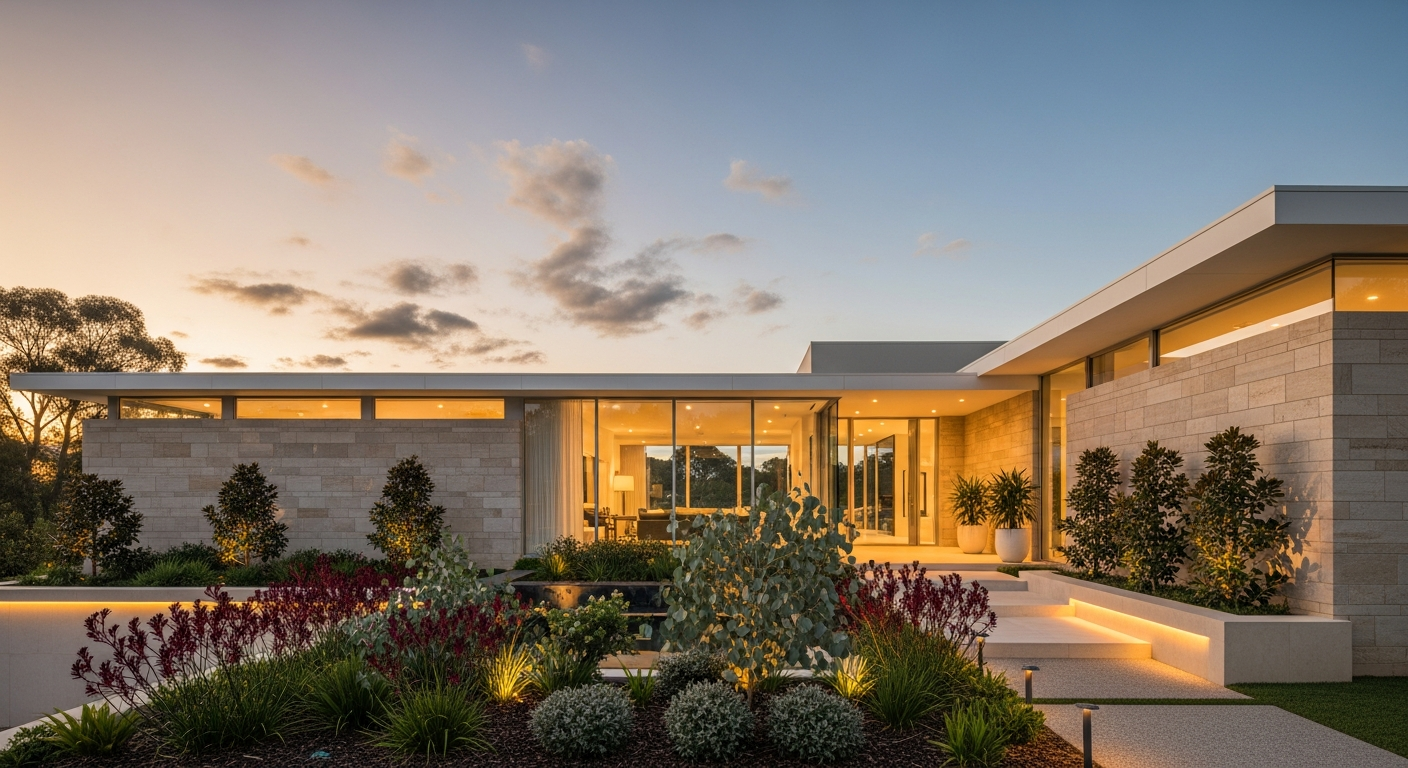
Discover how reverse-cycle air conditioners with high energy ratings can slash your winter electricity bills in Sydney. Learn about local rebates in Western Sydney and the North Shore to make eco-friendly upgrades affordable.
Winter in Sydney can be chilly, especially in areas like Western Sydney and the North Shore, where temperatures often dip below 10°C. Keeping your home warm without skyrocketing electricity bills is a priority for many households. Enter reverse-cycle air conditioners—energy-efficient systems that provide both heating and cooling while saving you money. In this article, we’ll explore how these units work, their cost-saving benefits, and how local rebates can make eco-friendly heating accessible for Sydney residents.

Why Choose Reverse-Cycle Air Conditioners for Sydney Winters?
Reverse-cycle air conditioners are a game-changer for Sydney’s climate. Unlike traditional heaters that generate heat, these systems transfer heat from the outside air into your home, even in cold weather. This process is far more energy-efficient, reducing your electricity consumption and environmental footprint.
- Year-round comfort: Heat in winter, cool in summer—one unit does it all.
- High energy efficiency: Units with 5–7 star energy ratings use less power, saving you hundreds annually.
- Eco-friendly: Lower energy use means reduced greenhouse gas emissions.
According to NSW Climate and Energy Action, upgrading to a reverse-cycle system can cut heating costs by up to 50% compared to older gas or electric heaters. For Sydney households, this translates to significant savings during the winter months.
How Reverse-Cycle Systems Save on Electricity Bills
Heating accounts for a significant portion of winter electricity bills in Sydney. Reverse-cycle air conditioners, especially those with high energy ratings, are designed to minimise this cost. Here’s how:
- Efficient heat transfer: These systems use advanced heat pump technology, consuming less electricity than traditional heaters.
- Inverter technology: Modern units adjust their output to maintain consistent temperatures, avoiding energy-wasting on-off cycles.
- Zoning capabilities: Multi-split systems allow you to heat only the rooms you’re using, further reducing costs.
For example, a 6kW reverse-cycle unit with a 6-star energy rating can cost as little as $400 per year to run, compared to $1,300 for a 6-star gas heater, according to Australian Energy Upgrades.
Case Study: Savings in Western Sydney
In Western Sydney, where homes often face colder nights, a family upgraded their old gas heater to a Daikin reverse-cycle system with a 7-star energy rating. With a $560 upfront discount through the NSW Energy Savings Scheme, they reduced their winter heating costs by 45%, saving $600 annually. This eco-friendly choice also lowered their carbon footprint, aligning with NSW’s net-zero goals by 2050.

Local Rebates for Eco-Friendly Units in Sydney
Sydney residents in Western Sydney and the North Shore can take advantage of government incentives to make energy-efficient upgrades more affordable. Here are the key programs available:
- NSW Energy Savings Scheme: Offers upfront discounts of $340–$730 for installing or replacing air conditioners with high-efficiency models. Contact an Accredited Certificate Provider (ACP) for quotes.
- Commonwealth Energy Bill Relief: Provides up to $300 for households to offset electricity costs, complementing energy-efficient upgrades.
- Low Income Household Rebate: Eligible households can combine this with energy-efficient upgrades to maximise savings.
To qualify, your property must be in NSW, and installations must be done by approved providers. Check the NSW Climate and Energy Action website for a list of ACPs and eligible products. For North Shore residents, private rental properties are also eligible, provided landlords and tenants coordinate.
How to Access Rebates
- Research eligible products on the GEMS Register.
- Contact multiple ACPs for quotes to compare discounts.
- Ensure your installer is accredited and provides a minimum 5-year warranty.
At Elyment Group, we partner with accredited installers to help you navigate rebates and choose the best reverse-cycle system for your home. Follow us on X at @ElymentGroup for the latest energy-saving tips!

Choosing the Right Reverse-Cycle System
Not all air conditioners are created equal. When selecting a reverse-cycle system, consider these factors:
- Energy rating: Opt for 5–7 stars for maximum efficiency.
- Size: A 6–7kW unit suits most Sydney homes, but consult an installer for precise sizing.
- Brand: Trusted names like Daikin, Mitsubishi Electric, and Panasonic offer reliable, eco-friendly options.
For Western Sydney homes with larger spaces, ducted systems provide whole-home comfort, while multi-split systems are ideal for North Shore apartments or smaller homes. Inverter models, which adjust compressor speed, are particularly efficient and quiet.

Key Takeaways
- Reverse-cycle air conditioners are highly efficient, saving up to 50% on winter heating costs in Sydney.
- High energy ratings (5–7 stars) and inverter technology maximise savings.
- NSW rebates, like the Energy Savings Scheme, offer $340–$730 discounts for eco-friendly upgrades.
- Western Sydney and North Shore residents can combine rebates with energy bill relief for greater affordability.
- Choose trusted brands and accredited installers for long-term reliability and warranty protection.
Next Steps for Sydney Homeowners
Ready to lower your winter electricity bills with an energy-efficient reverse-cycle air conditioner? Start by researching eligible products and contacting accredited installers for quotes. Visit elyment.com.au to explore our range of eco-friendly heating solutions tailored for Sydney homes.
Discover Your Savings Now