Green Living Revolution: Why the MBA Wants 7-Star Homes by 2026
A Sustainable Future Starts at Home Imagine a home that’s cool in summer, warm in winter, and slashes your energy bills—all while helping the planet.
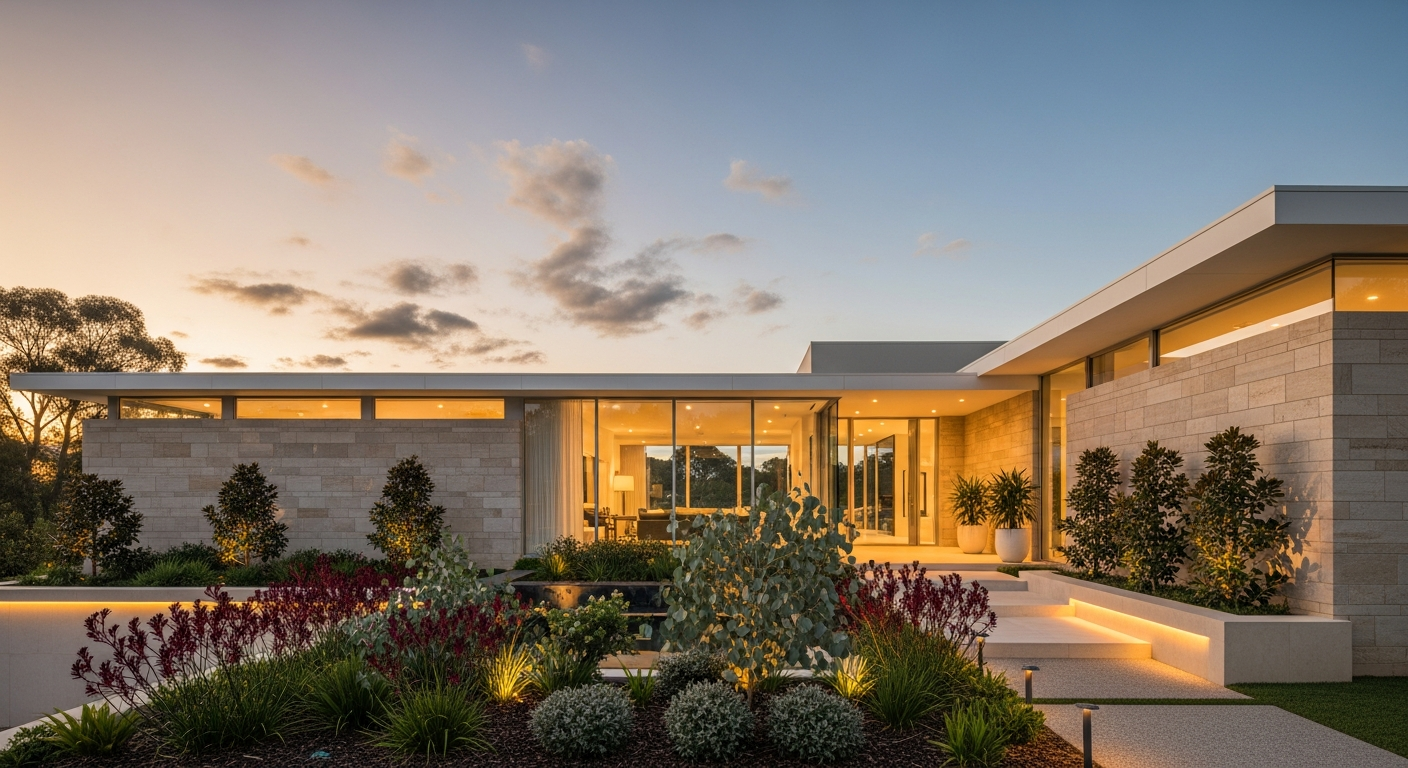
A Sustainable Future Starts at Home
Imagine a home that’s cool in summer, warm in winter, and slashes your energy bills—all while helping the planet. That’s the vision the Master Builders Association (MBA) is pushing for, with a bold call to make 7-star energy ratings mandatory for new builds by 2026. It’s a big step towards greener living, but it’s not without a bit of controversy. Let’s unpack what this means for Aussie homeowners, builders, and the environment.
What’s a 7-Star Energy Rating Anyway?
In simple terms, a 7-star energy rating comes from the Nationwide House Energy Rating Scheme (NatHERS). It’s a scale from 0 to 10 that measures how well a home handles heat and cold naturally. A 7-star home uses less energy for heating and cooling, thanks to smart design and top-notch materials. Think better insulation, energy-efficient windows, and layouts that make the most of sunlight. Already part of the National Construction Code (NCC) since 2023, the MBA wants to lock this in as the norm by 2026.
Why the MBA Is All In
The MBA, representing over 32,000 Aussie building businesses, sees this as a win-win. It’s about building homes that last—ones that save you money and cut carbon emissions. With Australia aiming for net zero by 2050, energy-efficient homes are a no-brainer. Plus, who doesn’t love lower power bills? Research shows a 7-star home could save you around $183 a year—small change that adds up over time.
But it’s not all smooth sailing. Some MBA branches, like in Queensland, reckon the extra costs—up to $20,000 per house—could sting builders and buyers, especially with the housing crunch already biting.
How New Builds Will Change
To hit that 7-star mark, new homes will need a makeover. Here’s what’s on the cards:
- Sun-Smart Design: Homes angled to catch natural light and breezes.
- Top-Notch Insulation: Walls, roofs, and floors that keep the heat in or out.
- Super Windows: Double-glazed glass to stop drafts in their tracks.
- Clever Tech: Think ceiling fans or all-electric systems over gas.
Yes, it might cost more upfront, but the payoff? Comfy homes year-round and a lighter load on your wallet long-term.
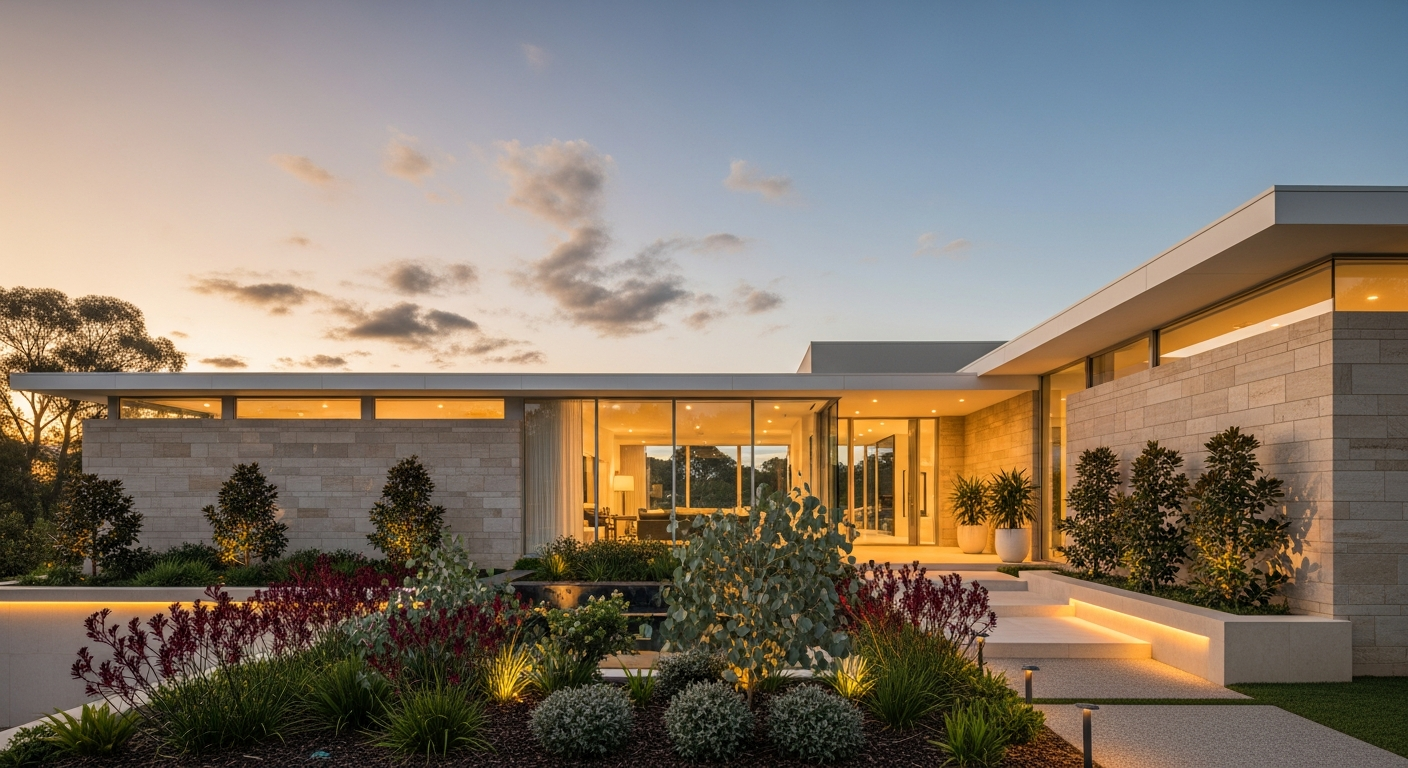
The Cost Conundrum
Here’s the rub: while the MBA’s all about sustainability, not everyone’s cheering. In Queensland, builders are waving a red flag, saying the 7-star push could add $20,000 to a home’s price tag. That’s a hefty hit when Aussies are already stretched thin. The MBA’s likely working on solutions—think training programs or government rebates—to soften the blow.
Benefits You Can Feel
So, what’s in it for you? Plenty:
- Cheaper Bills: Less energy use means more cash in your pocket.
- Cosy Vibes: Say goodbye to freezing winters or sweaty summers.
- Green Cred: You’re doing your bit for the planet.
It’s not just about you, either. Less energy demand means less strain on the grid and fewer emissions—good news for Australia’s climate goals.
Looking Ahead: What’s Next?
The 7-star standard’s already rolling out, but the MBA’s 2026 deadline could make it a must-do nationwide. They’re likely lobbying for support—training for builders, incentives for homeowners—to keep things fair. Want to get involved? Check out the MBA’s resources or nudge your local MP for more green building perks.
Key Takeaways
- The MBA’s pushing for all new homes to hit 7-star energy ratings by 2026.
- It means better-designed, energy-saving homes—but possibly higher upfront costs.
- Benefits include lower bills, more comfort, and a cleaner planet.
- Some builders worry about the price hike, but solutions are in the works.
Next Steps: Keen to learn more? Visit the Master Builders Australia site at https://masterbuilders.com.au/ for the latest, follow us on X at @ElymentGroup, or check out https://elyment.com.au/ for more insights. Join the convo on X with #7StarHomes!
Relevant next actions
Explore the ELYMENT service most closely connected to this article.