How to Navigate Sydney’s Zoning Laws for Micro-Apartment Development
Developing micro-apartments (under 30 sqm) in Sydney offers a golden opportunity to address the city’s housing crisis, but navigating zoning laws can feel...
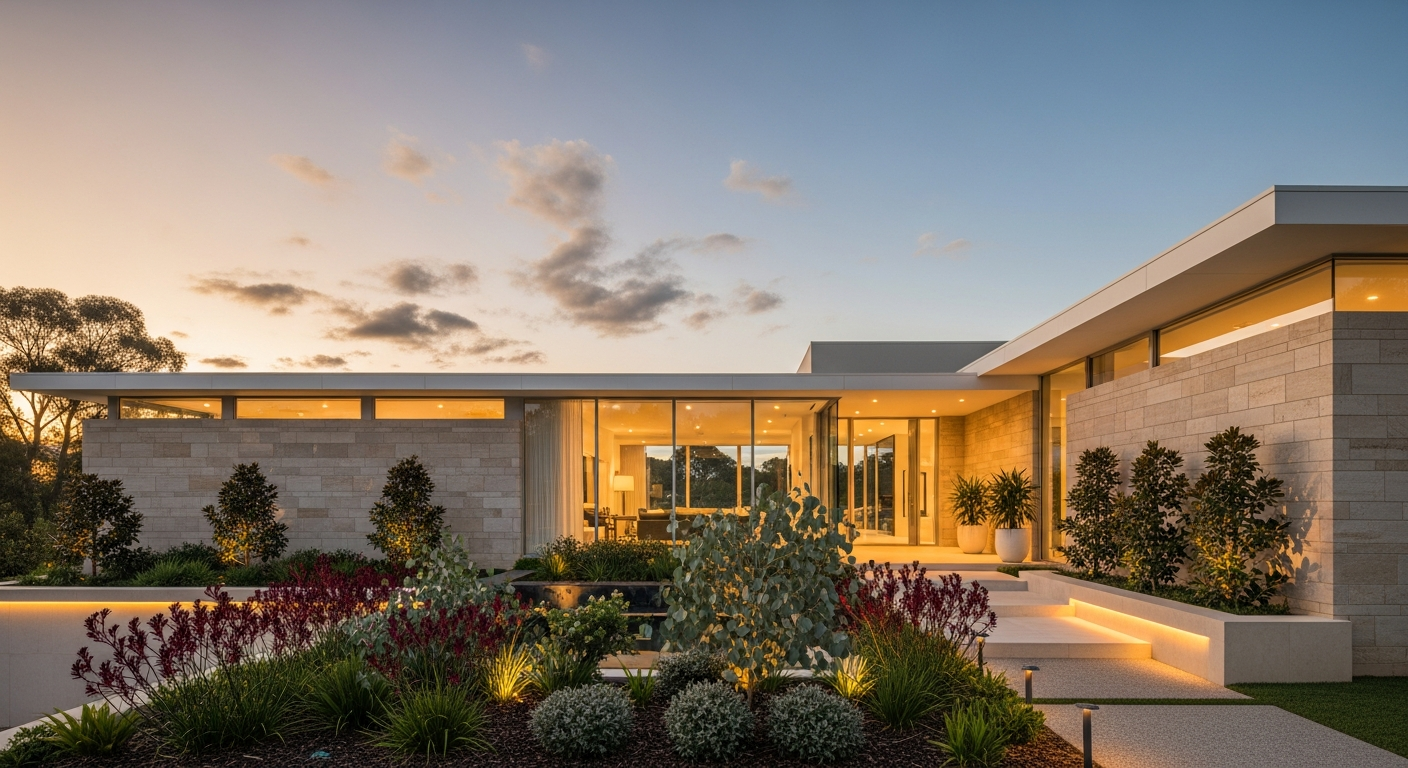
Developing micro-apartments (under 30 sqm) in Sydney offers a golden opportunity to address the city’s housing crisis, but navigating zoning laws can feel like a maze. With the right knowledge, developers and investors can unlock affordable housing solutions in high-density urban areas. This guide breaks down Sydney’s zoning regulations, highlights key opportunities, and provides actionable steps to streamline your micro-apartment project. Whether you’re a seasoned developer or new to the game, here’s how to make zoning laws work for you.

Why Micro-Apartments Are Booming in Sydney
Sydney’s housing market is under pressure, with median rents hitting $773 per week in 2025. Micro-apartments, often classified as co-living housing, are emerging as a solution, offering affordable rents (e.g., $395–$440/week in Marrickville) for young professionals and students. These compact units, typically 22–30 sqm, thrive in high-density suburbs like Zetland and Parramatta, but strict zoning laws govern where and how they can be built.
Recent projects, like Nightingale Marrickville (https://www.abc.net.au/news/2024-03-27/nightingale-micro-apartments-marrickville-build-to-rent/103630652), show the potential of micro-apartments to transform urban living. However, success hinges on understanding the State Environmental Planning Policy (Housing) 2021 (https://www.planning.nsw.gov.au/policy-and-legislation/housing/housing-sepp) and local council rules.
Understanding Sydney’s Zoning Laws for Micro-Apartments
Micro-apartments are generally classified as co-living housing under the Housing SEPP, distinct from standard apartments (minimum 35 sqm) or boarding houses. Here’s what you need to know about zoning:
- Permitted Zones: Co-living is allowed in zones where residential flat buildings or shop top housing are permitted, such as R4 High Density Residential, B3 Commercial Core, or E2 Commercial Centre zones.
- Location Requirements: Developments must be within 800m of a railway, metro, or light rail station to ensure accessibility.
- Design Standards: You’ll need to provide communal spaces (e.g., 30 sqm for six rooms, plus 2 sqm per additional room) and meet landscaping requirements.
Local councils, like the City of Sydney or Inner West Council, may impose additional rules, so always check the relevant Local Environmental Plan (LEP).

Key Challenges in Zoning for Micro-Apartments
Zoning laws can be a hurdle, but understanding them helps you plan effectively. Here are the main challenges:
- High Land Costs: High-density zones like Surry Hills or Rhodes have premium land prices, increasing project costs.
- Complex Approvals: Meeting design and accessibility standards can delay approvals, especially in heritage areas.
- Community Pushback: Residents may oppose high-density projects, citing traffic or amenity concerns.
Our zoning guide (https://elyment.com.au/zoning-guide) at Elyment Group (https://elyment.com.au) can help you anticipate these issues.
Opportunities to Leverage Zoning Laws
Despite challenges, zoning laws offer incentives to make micro-apartment development attractive:
- Floor Space Ratio (FSR) Bonus: Co-living projects qualify for a 10% FSR bonus, allowing more units per site.
- Low and Mid-Rise Housing Policy: Introduced in 2024, this policy expands permissible zones for co-living near 171 Sydney town centres.
- Build-to-Rent Incentives: Micro-apartments in build-to-rent schemes may access tax benefits or streamlined approvals.
These incentives make suburbs like Green Square and Waterloo prime spots for development.

5 Steps to Navigate Zoning Laws Successfully
Ready to start your micro-apartment project? Follow these steps to stay compliant and efficient:
- Check the LEP: Review the Local Environmental Plan for your target suburb to confirm co-living is permitted.
- Engage a Planner: Hire a town planner familiar with Sydney’s Housing SEPP to assess zoning and design requirements.
- Conduct a Feasibility Study: Analyse land costs, FSR bonuses, and market demand in suburbs like Zetland or Parramatta.
- Consult the Community: Address resident concerns early to avoid delays during the approval process.
- Submit a DA: Prepare a Development Application (DA) with detailed plans, ensuring compliance with communal space and accessibility rules.
Follow us on X at @ElymentGroup (https://x.com/ElymentGroup) for the latest zoning updates!

Key Takeaways
Navigating Sydney’s zoning laws for micro-apartment development is complex but rewarding. Here’s a quick summary:
- Co-living housing is permitted in high-density zones like R4 or B3, but requires proximity to transport.
- Challenges include high land costs and approval delays, but FSR bonuses and policy reforms offer opportunities.
- Follow a clear process: check the LEP, hire experts, and engage the community to ensure success.
Next Steps for Your Micro-Apartment Project
Ready to dive into Sydney’s micro-apartment market? Visit elyment.com.au (https://elyment.com.au) for expert zoning advice and development resources. Our team at Elyment Group can guide you through every step, from feasibility to approval.
Unlock Your Project NowRelevant next actions
Explore the ELYMENT service most closely connected to this article.