Hybrid Flooring: The Waterproof Revolution for Sydney Homes
Sydney’s vibrant lifestyle demands flooring that can keep up with its dynamic climate and bustling households.
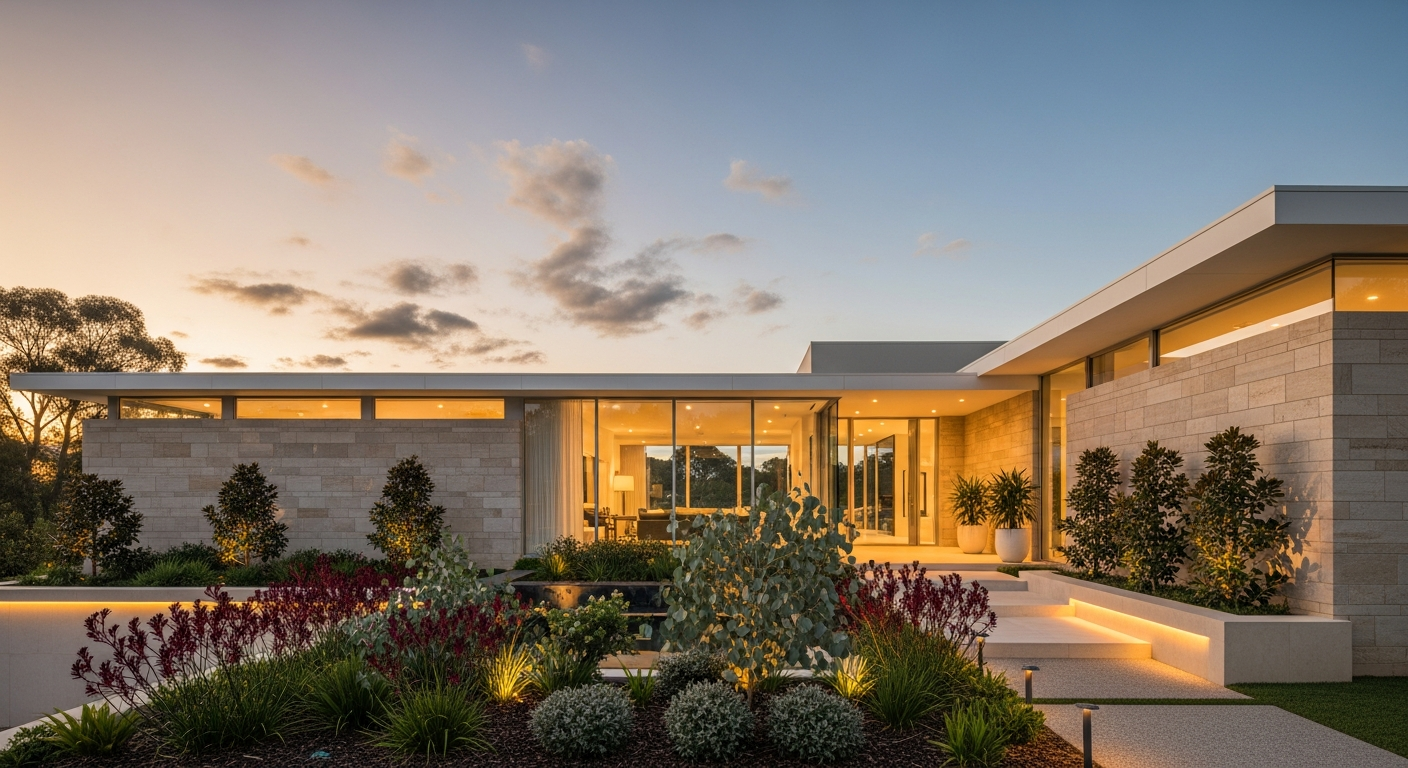
Sydney’s vibrant lifestyle demands flooring that can keep up with its dynamic climate and bustling households. Enter hybrid flooring, a game-changer that’s rapidly gaining popularity in Sydney homes, particularly for wet areas like kitchens, laundries, and bathrooms. Combining the best of laminate and vinyl, hybrid flooring offers unmatched durability, cost-effectiveness, and style. In this article, we’ll explore why hybrid flooring is the go-to waterproof solution for Sydney homeowners, how it stacks up against vinyl and laminate, and the latest installation trends shaping the market.

Why Hybrid Flooring is Perfect for Sydney’s Wet Areas
Sydney’s humid subtropical climate, with its frequent rain and high moisture levels, poses unique challenges for home flooring. Spills in kitchens, splashes in laundries, and damp bathrooms require materials that can withstand water without compromising aesthetics. Hybrid flooring rises to the occasion with its innovative construction.
What Makes Hybrid Flooring Waterproof?
Hybrid flooring is engineered with a stone-plastic composite (SPC) or wood-plastic composite (WPC) core, topped with a waterproof vinyl layer and a protective coating. This multi-layered design ensures:
- 100% waterproofing: Ideal for wet areas, resisting moisture ingress and preventing warping.
- Scratch and stain resistance: Perfect for homes with pets or kids.
- Acoustic benefits: Many hybrid floors come with built-in underlay, reducing noise in busy households.
“Hybrid flooring’s waterproof core makes it a standout choice for Sydney’s wet areas, offering peace of mind without sacrificing style,” says flooring expert, Emma Thompson, from Elyment Group.
Hybrid Flooring vs. Vinyl and Laminate: A Comparison
To understand why hybrid flooring is stealing the spotlight, let’s compare it with traditional options like vinyl and laminate.
Durability
- Hybrid Flooring: Boasts a rigid core that resists dents, scratches, and water damage, lasting up to 25 years with proper care.
- Vinyl: Highly durable and water-resistant but softer, making it prone to dents in high-traffic areas.
- Laminate: Susceptible to water damage, limiting its use in wet areas.
Cost-Effectiveness
- Hybrid Flooring: Priced between $35–$70 per square metre in Sydney, it’s more affordable than timber but slightly pricier than vinyl or laminate. Its longevity and low maintenance make it cost-effective over time.
- Vinyl: Typically cheaper ($20–$50 per square metre), but may require replacement sooner.
- Laminate: Budget-friendly ($15–$40 per square metre), but water damage repairs can add up.

Aesthetics
- Hybrid Flooring: Mimics natural timber or stone with high-definition printing and textured finishes, offering a premium look.
- Vinyl: Available in various designs but lacks the depth and realism of hybrid.
- Laminate: Offers a timber-like appearance but can look less authentic over time.
Installation
- Hybrid Flooring: Features a click-lock system for easy, glue-less installation, often DIY-friendly.
- Vinyl: May require adhesives, increasing labour costs.
- Laminate: Similar click-lock system but needs a perfectly level subfloor to avoid damage.
For Sydney homeowners, hybrid flooring strikes the perfect balance, combining vinyl’s waterproofing with laminate’s durability and a luxurious aesthetic.
Installation Trends in Sydney Homes
Sydney’s flooring market is evolving, with hybrid flooring leading the charge. Here are the top trends shaping its adoption:
- Floating Floor Installations: Hybrid flooring’s click-lock system allows it to be installed as a floating floor, reducing preparation costs and enabling installation over existing surfaces.
- Eco-Friendly Choices: Many brands, like those at Elyment Group, offer hybrid flooring with low VOC emissions and recyclable materials, appealing to environmentally conscious homeowners.
- Wide Plank Designs: Longer, wider planks (up to 280mm) are trending, creating a spacious, modern look in open-plan Sydney homes.
- Pet-Friendly Features: Scratch-resistant surfaces and easy-clean properties make hybrid flooring a favourite for pet owners.
- Underfloor Heating Compatibility: Hybrid flooring’s thermal stability pairs well with underfloor heating, a growing trend in Sydney’s luxury homes.
Benefits of Choosing Hybrid Flooring for Sydney Homes
Hybrid flooring isn’t just practical—it’s a lifestyle upgrade. Here’s why it’s winning over Sydney homeowners:
- Low Maintenance: A quick sweep or damp mop keeps it pristine, saving time for busy families.
- Versatility: Suitable for kitchens, laundries, bathrooms, and even living rooms, creating a seamless look throughout the home.
- Comfort Underfoot: Softer than tiles, hybrid flooring provides warmth and cushioning, ideal for Sydney’s cooler months.
- Cost Savings: Its durability reduces repair and replacement costs, making it a smart investment.

Key Takeaways
- Hybrid flooring is a waterproof, durable, and stylish solution for Sydney’s wet areas like kitchens and laundries.
- It outperforms vinyl and laminate in durability and aesthetics while remaining cost-effective.
- Installation trends like floating floors and eco-friendly materials are driving its popularity in Sydney.
- With low maintenance and pet-friendly features, it’s ideal for modern Australian homes.
Next Steps for Sydney Homeowners
Ready to transform your home with hybrid flooring? Visit Elyment Group for expert advice and a wide range of high-quality options. Follow us on X at @ElymentGroup or explore our collections at elyment.com.au.
Relevant next actions
Explore the ELYMENT service most closely connected to this article.