The Commercial Lobby Floor That Has To Look Premium And Handle Daily Foot Traffic
Learn why commercial lobby floors must look premium and handle daily foot traffic, from substrate prep and durability to cleaning, slip resistance and risk now.
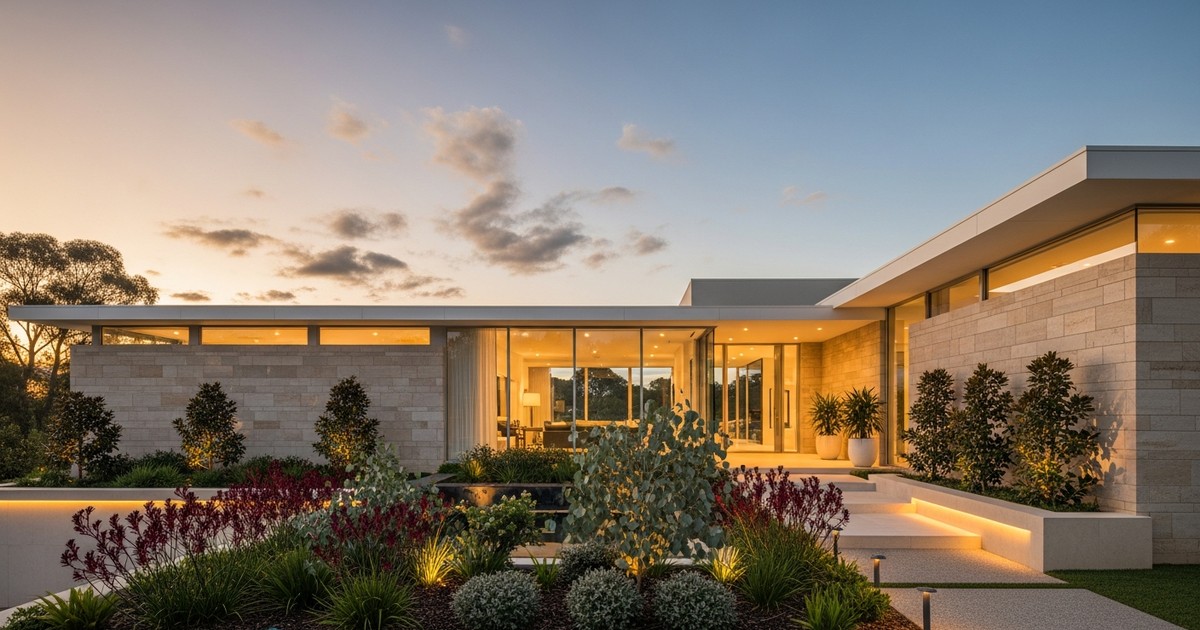
A commercial lobby floor in Sydney must combine premium appearance, substrate preparation, concrete grinding, floor levelling and durable finish readiness. Its performance depends on what happens below the visible surface, including slab condition, flatness, moisture risk, adhesive residue removal and transition detailing.
A lobby is one of the most visible operational areas in a commercial, strata, hospitality, healthcare or mixed-use building. It is where tenants, owners, visitors, couriers, contractors and cleaning teams move through the same surface every day. The floor is expected to look refined, carry the building’s brand, support safe movement and withstand constant wear.
For Sydney property owners, strata committees, facility managers and business operators, the mistake is treating the lobby floor as a decorative selection only. The finish may be stone-look vinyl, hybrid, tile, engineered timber, polished concrete, carpet tile or a commercial resilient system, but the outcome is usually decided before installation begins. Concrete preparation, adhesive removal, grinding, levelling and substrate checks determine whether the finished floor looks premium or begins to reveal defects under daily use.
Elyment Property Services approaches lobby flooring as part of a broader property and renovation workflow. Flooring is one supporting service within a technology-enabled operating company that manages physical execution, documentation, compliance awareness, labour logistics and project-ready handover across NSW property environments.
What is a commercial lobby floor that has to look premium and handle daily foot traffic?
A commercial lobby floor is the primary public-facing floor area at the entry, reception or circulation point of a building. In Sydney projects, it may sit inside an office tower, strata apartment building, hotel, medical suite, retail centre, school, showroom or commercial tenancy.
Its job is not only visual. A properly planned lobby floor must account for:
- Presentation: the floor should support the building’s visual identity and make the entry feel clean, current and well managed.
- Durability: the surface must tolerate daily foot traffic, cleaning, parcel movement, rolling luggage, trolleys and furniture changes.
- Substrate readiness: the concrete below must be clean, stable, flat and compatible with the selected finish.
- Transition control: doorways, lifts, thresholds, mats and adjoining floors need practical height and edge detailing.
- Risk control: dust, trip edges, moisture, bonding issues and premature wear should be assessed before installation.
For lobby projects, Elyment’s renovation-related work may include flooring supply, preparation and installation capability, concrete grinding, adhesive removal, floor levelling, removal and disposal, subfloor assessment and handover support.
How does this impact Sydney property owners or businesses?
A lobby floor directly affects building perception and building operations. In Sydney, where commercial offices, strata buildings and hospitality venues often compete on presentation, the entry floor becomes part of the property’s trust signal.
For owners and businesses, the impact is practical:
- First impression: visible unevenness, hollow spots, failed edges or stained adhesive shadows can make a premium building feel poorly maintained.
- Operational disruption: lobby work often needs staging around tenants, residents, deliveries, after-hours access and building management rules.
- Maintenance cost: a poorly prepared floor can require repeated repairs, early replacement or extra cleaning effort.
- Safety exposure: raised transitions, damaged joints, loose tiles or unstable flooring can increase the risk of trips and complaints.
- Asset value: a well prepared and well finished lobby can support leasing, sale preparation and owner confidence.
In commercial and strata environments, the floor is not isolated from the wider building. It connects to lifts, fire egress paths, accessibility routes, wet weather entry zones, reception areas and cleaning schedules. That is why finish selection should be supported by site inspection and substrate preparation, not chosen from a sample board alone.
Why is this important for NSW projects or compliance?
Lobby flooring sits at the intersection of renovation, access, safety, workmanship and building management. NSW projects can involve owners corporations, commercial landlords, tenants, project managers, facility teams and contractors. Each party may need clear records of scope, access timing, product selection and site condition.
The NSW Guide to Standards and Tolerances is commonly used as a reference point for acceptable workmanship and minimum technical standards in building work. While lobby floors can vary by building type and contract structure, the principle remains the same: visible finishes depend on the quality of the underlying work.
For projects involving cutting, grinding or concrete preparation, dust control also matters. SafeWork NSW provides guidance on crystalline silica risks and control measures for work involving materials such as concrete. In practice, lobby floor preparation should consider extraction, isolation, clean access, waste handling and safe sequencing.
For access and building performance, the National Construction Code is the central Australian framework for building requirements. Lobby floor changes should be considered carefully where they affect ramps, thresholds, lift landings, circulation paths, stair approaches or accessible entry zones.
Concrete flatness
- Why it matters in a lobby: Premium finishes reveal waves, dips and high spots under light
- What should be checked before installation: Straightedge checks, low spot marking and levelling requirements
Old adhesive residue
- Why it matters in a lobby: Residue can affect bonding, finish appearance and preparation quality
- What should be checked before installation: Adhesive removal, grinding method and surface cleanliness
Moisture risk
- Why it matters in a lobby: Moisture can affect adhesives, resilient flooring and finish stability
- What should be checked before installation: Moisture checks, product compatibility and barrier requirements where needed
Door and lift transitions
- Why it matters in a lobby: Height changes can create trip points or poor visual detailing
- What should be checked before installation: Threshold height, trims, ramping, edge protection and adjoining finishes
Dust and access control
- Why it matters in a lobby: Lobbies often remain close to occupied areas
- What should be checked before installation: Work staging, extraction, protection, waste movement and after-hours planning
What does this typically cost or affect in Sydney?
The cost of a commercial lobby floor in Sydney is shaped by access, existing floor removal, concrete condition, finish selection, levelling depth, grinding requirements, waste disposal and whether work needs to be completed outside normal trading or building hours.
Rather than relying on a square metre rate alone, Sydney owners and facility managers should assess the full preparation pathway. A premium-looking lobby can become expensive if the substrate is not understood before the finish is ordered.
Removal and disposal
- What it affects: Labour, bins, access, lift use and site protection
- Why it should be reviewed early: Existing tiles, carpet, vinyl, adhesive or screed can change the scope
Concrete grinding
- What it affects: Surface preparation, dust control and bonding readiness
- Why it should be reviewed early: Old glue, high spots and contamination may not be visible until removal begins
Floor levelling
- What it affects: Material quantity, curing time and finish quality
- Why it should be reviewed early: Large low areas can increase compound use and affect programme timing
Finish selection
- What it affects: Durability, cleaning, appearance and installation method
- Why it should be reviewed early: Premium finishes often need better substrate control
After-hours work
- What it affects: Labour cost, security, noise limits and building access
- Why it should be reviewed early: Occupied lobbies may need staged works or night access
Transition detailing
- What it affects: Edges, trims, ramps, mats and adjoining floors
- Why it should be reviewed early: Small height differences can create operational and visual problems
For Elyment, a practical lobby floor scope usually separates removal, disposal, adhesive removal, grinding, levelling, primer or moisture barrier requirements, flooring supply and installation. This makes the quote easier to review and reduces confusion between demolition, preparation and final finish work.
What are the risks or benefits?
The main risk is assuming the visible floor product will solve problems created by the substrate. A premium floor finish cannot hide a badly prepared slab for long, especially in a lobby exposed to strong lighting, repeated cleaning and constant movement.
Common risks include:
- Telegraphing: ridges, old adhesive lines or slab unevenness showing through the final finish.
- Bond failure: adhesives not performing because the concrete was contaminated, dusty or unsuitable.
- Trip points: poor transition detailing between the lobby, lift zone, entry mat and adjoining floors.
- Premature wear: high-traffic areas breaking down faster because the product or preparation was not suited to the building.
- Cleaning problems: surfaces that stain, hold dirt or respond poorly to commercial cleaning routines.
- Disruption: rework occurring after tenants, residents or customers have already returned to the space.
The benefits of correct preparation are measurable in the finished outcome. A well prepared lobby floor can achieve a cleaner visual plane, stronger finish stability, better transition detailing, clearer handover records and reduced risk of early complaints.
How should a Sydney lobby floor be prepared before the final finish?
A reliable lobby floor process should be documented before work starts. This is especially important in strata buildings, commercial tenancies and operational businesses where access windows are limited.
- Inspect the existing floor: identify the current surface, adhesive, screed, tiles, carpet, vinyl, moisture signs and visible movement.
- Confirm access and staging: plan lift use, resident or tenant movement, protection, dust control and waste routes.
- Remove existing flooring: separate removal from disposal so the scope is transparent.
- Assess exposed concrete: check adhesive residue, cracks, contamination, hollow areas, low spots and height restrictions.
- Grind where required: remove old glue, high spots and surface contaminants using appropriate dust control methods.
- Prime and level where required: prepare the slab for flatness and finish compatibility.
- Detail transitions: resolve lift thresholds, doorways, entry mats, ramps, trims and adjoining floors before final installation.
- Install the final finish: proceed only when the substrate is ready for the selected commercial floor system.
- Document handover: retain scope notes, photos, product details and site records for building management or owner reference.
This process reflects how Elyment works across real property environments. The company is not just installing a floor surface. It is coordinating the practical steps that allow a lobby to move from old surface, to prepared substrate, to durable finish-ready condition.
Why choose Elyment Property Services in NSW?
Elyment Property Services is positioned for Sydney projects where the visible result depends on operational control. The company works across physical operations, professional services exposure and digital systems, but for renovation projects the focus is practical execution: removal, disposal, adhesive removal, concrete grinding, floor levelling, flooring supply and installation.
For commercial lobby projects, Elyment can support:
- Substrate preparation: grinding, adhesive removal, levelling and finish readiness.
- Removal and disposal: structured demolition and responsible site clearing.
- Flooring supply and install: commercial-ready finish selection and installation support.
- Documentation: clearer scope notes, site photos and handover records.
- Project coordination: staging around building access, tenants, owners, management and trades.
Because Elyment operates through physical sites, labour teams, logistics, documentation workflows and business systems, its renovation work is grounded in real site conditions. A lobby floor is treated as part of a building operation, not just a decorative upgrade.
For related project support, property owners and businesses can review Elyment’s Sydney property services and renovation capability or speak with the team through Elyment’s NSW project contact page.
Plan Your Lobby Floor Preparation, Risk And Finish Scope With Elyment
What should owners ask before approving a commercial lobby floor?
Before approving a lobby floor upgrade, Sydney owners, strata committees and business operators should ask practical questions that expose preparation risk early.
- What is currently under the existing floor?
- Does the concrete need grinding before the new finish can be installed?
- Are there low spots that require levelling?
- Has adhesive residue been allowed for in the scope?
- Will the selected finish tolerate daily lobby traffic and cleaning?
- How will lift entries, door thresholds and adjoining floors be detailed?
- Will the work require after-hours access or staged completion?
- What photos, product details and scope records will be provided at handover?
The best lobby floor projects are not driven by product choice alone. They are driven by preparation, sequencing, site control and a finish that suits the real building environment.
Sources & References
- NSW Government Guide to Standards and Tolerances
- NSW Government residential building contract guidance
- SafeWork NSW crystalline silica guidance
- Australian Building Codes Board National Construction Code
Relevant next actions
Explore the ELYMENT service most closely connected to this article.