The Premium Flooring Detail That Makes A Sydney Home Feel Expensive: Is Texture Now More Important Than Gloss?
Learn why flooring texture can make Sydney homes feel expensive, as matte timber, stone, wool carpet and microcement replace high-gloss showroom shine in 2026..
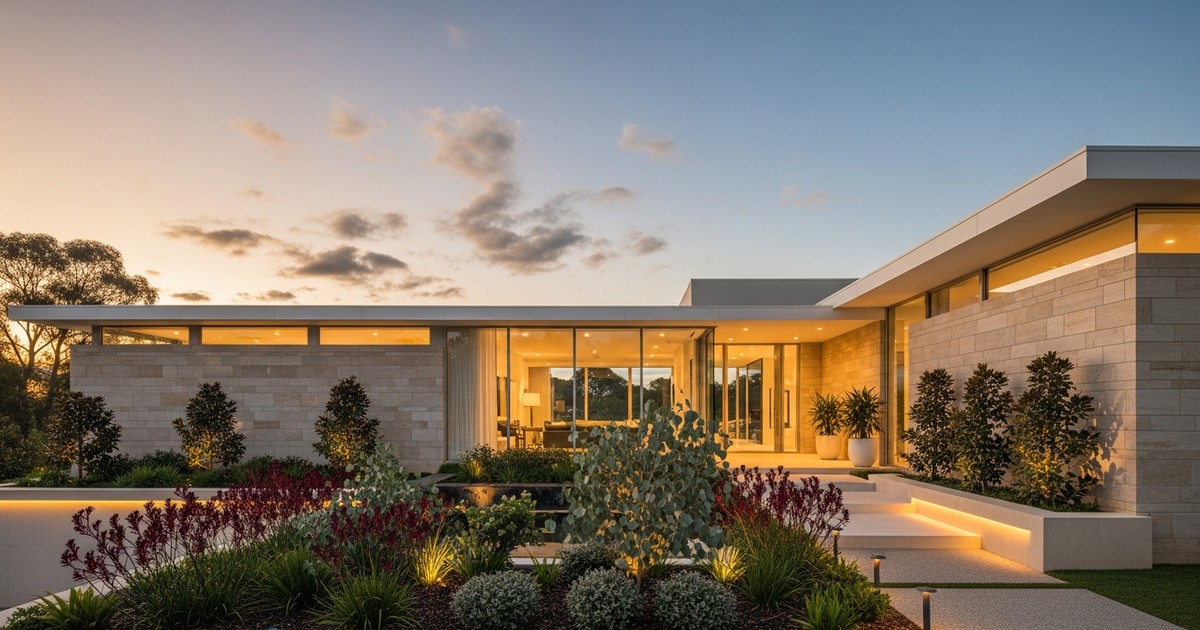
Textured premium flooring refers to honed, brushed, tumbled, matte or softly finished surfaces that reduce glare, soften visual contrast and create a more natural architectural feel. In Sydney renovations, these finishes are increasingly preferred over high-gloss floors because they support quieter luxury, better material depth and more practical long-term presentation.
In premium Sydney homes, the most expensive-looking flooring is often no longer the shiniest. The shift is subtle but important. Instead of mirror-polished surfaces, owners, designers and renovation teams are moving toward finishes that absorb light, reveal material grain and create a calmer interior environment.
This is not only a style decision. It affects renovation planning, floor preparation, substrate flatness, cleaning expectations, product selection, slip awareness, strata documentation and long-term maintenance.
For Elyment Property Services, flooring is part of a broader operating environment that combines physical renovation work, documentation-aware project delivery and compliance-conscious execution across NSW properties. The visible finish is only one layer. The expensive result depends on what happens underneath.
What is textured premium flooring?
Textured premium flooring is flooring where the surface finish has tactile and visual depth rather than a highly reflective polish. Common examples include:
- Honed stone, where the surface is smooth but not glossy.
- Brushed timber, where the grain is lightly opened and more visible.
- Tumbled stone, where edges and surfaces feel softened and aged.
- Matte porcelain, where the finish reduces reflection.
- Softly textured hybrid or vinyl flooring, where surface embossing creates natural depth.
The design value comes from restraint. Texture gives a floor presence without making it dominate the room. In luxury renovation, this matters because the floor must support cabinetry, lighting, joinery, stone benchtops, furniture and architectural lines rather than compete with them.
Why are honed, brushed, tumbled and matte floors replacing shiny finishes in luxury homes?
Glossy floors can look dramatic in a showroom, but they can also create glare, highlight dust, show scratches more quickly and make interiors feel colder. In many Sydney homes, especially coastal apartments, terraces and premium family residences, softer finishes are becoming more desirable because they feel lived-in, architectural and understated.
Finish Type: Honed stone
- Visual effect: Soft, low-sheen, natural.
- Common Sydney renovation use: Bathrooms, kitchens, entries and premium living spaces.
Finish Type: Brushed timber
- Visual effect: Visible grain, warmer texture.
- Common Sydney renovation use: Living rooms, bedrooms and stair areas.
Finish Type: Tumbled stone
- Visual effect: Relaxed, aged, organic.
- Common Sydney renovation use: Heritage homes, terraces and indoor-outdoor transitions.
Finish Type: Matte porcelain
- Visual effect: Clean, controlled, low reflection.
- Common Sydney renovation use: Kitchens, laundries, bathrooms and apartment renovations.
Finish Type: Textured hybrid or vinyl
- Visual effect: Practical, quiet, timber-like depth.
- Common Sydney renovation use: Apartments, rental upgrades and family homes.
Texture also changes how light behaves. In Sydney homes with strong natural light, harbour glare, large windows or open-plan layouts, glossy surfaces can exaggerate reflection. Matte and softly textured floors help create visual calm.
How does this impact Sydney property owners or businesses?
For Sydney property owners, texture affects both presentation and execution. A textured floor can make a home feel more expensive, but only when the product, substrate and installation method are aligned.
The impact is usually felt across four areas:
- Design value: textured finishes can make interiors feel more architectural and less showroom-driven.
- Maintenance expectations: lower-sheen finishes may hide minor marks better than gloss, but they still require correct cleaning methods.
- Preparation quality: large-format tiles, engineered timber and premium hybrid floors often need controlled substrate flatness.
- Project documentation: strata, insurance, contract and product warranty requirements may require clearer records.
For commercial or property operations settings, the same principle applies. A textured floor in a showroom, office, lobby or boutique retail space can look premium without appearing fragile. However, the finish must still be matched to traffic, cleaning routines, slip awareness and maintenance capacity.
Why is this important for NSW projects or compliance?
In NSW, premium renovation decisions should not be treated as visual choices only. Flooring selection can interact with written contract requirements, strata approval processes, waterproofing interfaces, acoustic obligations and safety expectations.
NSW Government: Contracts for residential building work explains that certain home building work must be supported by written contracts, including required scope and payment details. This matters because premium finishes often rely on preparation work that should be clearly described before installation begins.
For apartment work, NSW Government: Building classes and roles of professionals highlights the importance of registered roles and compliance documentation for certain building classes. While not every flooring change will trigger the same obligations, strata and apartment projects often require more careful documentation than detached homes.
Slip resistance also matters in wet areas, entries, stairs and transitions. The Australian Building Codes Board administers the National Construction Code, which sets performance expectations for buildings in Australia. For renovation planning, this means surface choice should be assessed in context rather than selected from appearance alone.
What does textured flooring typically cost or affect in Sydney?
Costs vary widely because the finish is only one part of the project. In Sydney, the real cost is often affected by removal, disposal, grinding, adhesive removal, levelling, moisture control, access, strata conditions and installation complexity.
Cost Factor: Existing floor removal
- What it affects: Labour, disposal and timing.
- Why it matters: Old tiles, timber, vinyl, carpet or adhesive may need specialist removal.
Cost Factor: Concrete grinding
- What it affects: Surface profile and residue removal.
- Why it matters: Premium finishes often need a clean and stable base.
Cost Factor: Floor levelling
- What it affects: Flatness, finish quality and warranty alignment.
- Why it matters: Uneven slabs can affect large-format tiles, planks and joins.
Cost Factor: Moisture control
- What it affects: Risk management and product suitability.
- Why it matters: Moisture can affect timber, hybrid, vinyl and adhesive systems.
Cost Factor: Texture and finish selection
- What it affects: Product cost and maintenance expectations.
- Why it matters: Honed, brushed and premium matte finishes may require more careful product selection.
Cost Factor: Strata or access requirements
- What it affects: Scheduling, protection and documentation.
- Why it matters: Apartment renovations may involve lift protection, by-laws and noise limits.
For property owners, the practical question is not only “which floor looks expensive?” The stronger question is “which floor can be prepared, installed, maintained and documented properly in this property?”
What are the risks or benefits of choosing texture over gloss?
The benefits are strongest when the finish is matched to the property, room use and substrate condition.
Benefits
- More refined presentation: matte and textured finishes often feel calmer and more architectural.
- Reduced glare: useful in bright Sydney apartments and open-plan homes.
- Better material depth: timber grain, stone movement and tile variation can appear more natural.
- Less showroom dependence: the finish feels integrated into the home rather than selected as a standalone feature.
Risks
- Cleaning mismatch: some textured surfaces need specific cleaning methods to avoid residue build-up.
- Incorrect product selection: not every matte product suits every wet area, kitchen or entry.
- Poor substrate preparation: texture cannot hide structural floor problems, lippage or poor levelling.
- Strata uncertainty: hard flooring in apartments may need acoustic and approval documentation.
This is why premium flooring should be planned as part of the renovation system, not as a late-stage decorative decision.
How should Sydney owners plan a textured flooring renovation?
A stronger renovation process usually follows this order:
- Assess the property type: detached home, terrace, strata apartment, commercial suite or mixed-use site.
- Inspect the existing floor: identify tiles, adhesive, vinyl, timber, carpet, magnesite, screed or slab issues.
- Confirm removal and disposal requirements: price labour, waste, access and protection properly.
- Check substrate condition: assess flatness, cracks, moisture risk and contamination.
- Select the finish: choose honed, brushed, tumbled, matte or lightly textured flooring based on use.
- Confirm compliance and documentation: review strata, wet area, acoustic, contract and warranty requirements.
- Install with preparation records: keep photos, product details and scope records for future reference.
Elyment’s renovation capability includes Elyment: Flooring supply, preparation and installation support and Elyment: Project assessment for Sydney property owners. This allows the finish decision to be connected to the physical condition of the site.
Why choose Elyment Property Services in NSW?
Elyment Property Services operates as a holding and operating company across physical operations, professional services exposure and digital systems. For renovation clients, that means flooring is not treated as a simple product sale. It is assessed as part of a wider property, compliance and execution environment.
For premium textured flooring projects, Elyment can support:
- Flooring removal and legal disposal planning.
- Concrete grinding and adhesive removal.
- Subfloor preparation and floor levelling.
- Moisture barrier and primer planning where suitable.
- Supply and installation of appropriate flooring systems.
- Strata-aware access, protection and documentation workflows.
- Clear scope communication before work begins.
Elyment is also a 5-star rated company on Google, which supports its market position as a trusted NSW operator for property and renovation work. The value is not only in the visible finish. It is in the preparation, sequencing and documentation that allow the finish to perform.
What is the final takeaway for premium Sydney renovations?
The luxury floor of 2026 is not necessarily the glossiest floor. In many Sydney homes, the more expensive look now comes from texture, restraint and material honesty. Honed stone, brushed timber, tumbled surfaces and matte finishes can create a quieter form of luxury, but only when the renovation work beneath them is properly planned.
For owners, builders and designers, the smartest flooring decision starts before product selection. It starts with the site, the slab, the removal scope, the preparation method and the compliance context.
Plan Your Premium Floor Preparation, Finish Selection And Renovation Risk With Elyment
Sources & References
- NSW Government: Contracts for residential building work
- NSW Government: Building classes and roles of professionals
- NSW Government: Design practitioner obligations
- Australian Building Codes Board
- Frontiers in Built Environment: Human perception of building materials
Relevant next actions
Explore the ELYMENT service most closely connected to this article.