What Is The Safe Neutral Floor Colour That Still Makes A Sydney Home Feel Designed?
Discover safe neutral floor colours that still make a Sydney home feel designed, from warm beige and greige to soft oak, microcement and timeless tones.
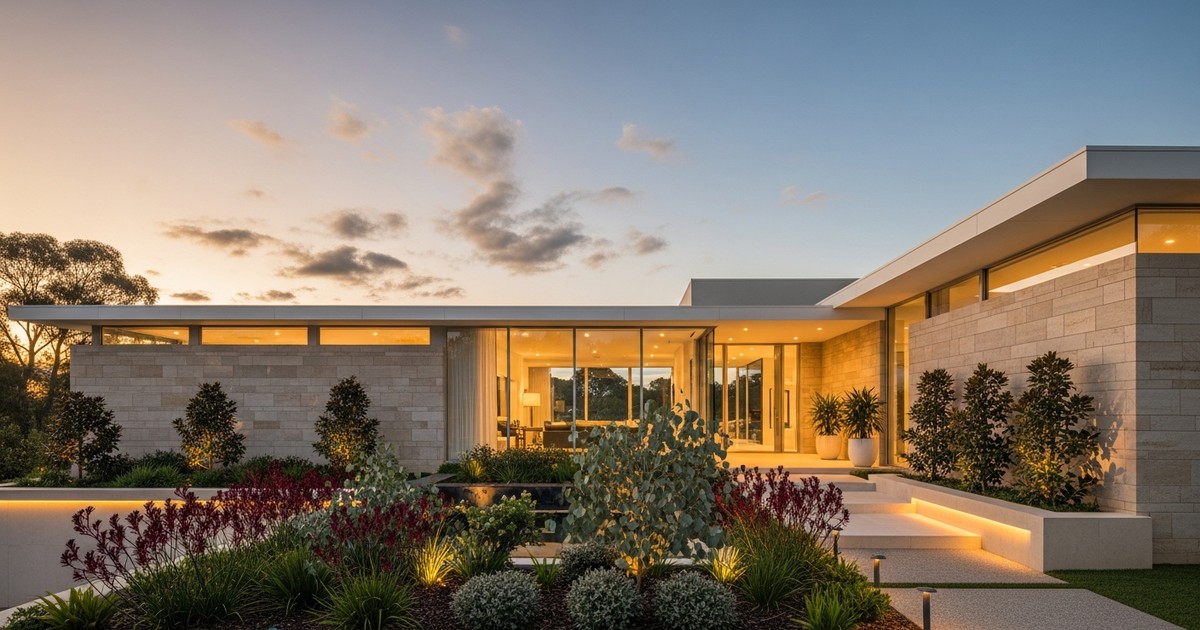
A safe neutral floor colour is a warm, low-risk base tone such as soft beige, warm greige, light oak, sand-toned microcement or peige that supports resale appeal without defaulting to flat grey. In Sydney renovations, the right neutral should work with light, joinery, strata expectations, maintenance and future buyer presentation.
For years, plain grey flooring carried the promise of neutrality. It looked clean in supplier catalogues, photographed sharply online and suited minimal interiors. But many Sydney homeowners now want a softer result: neutral enough for resale, warmer than grey, and designed enough to feel intentional rather than generic.
That shift is visible across interiors and flooring commentary. Designers are discussing warmer evolved neutrals such as pink-beige or “peige”, while Australian flooring sources are highlighting natural oak, honey, sand, beige and warm timber tones as cooler grey floors lose momentum. The practical lesson for property owners is simple: colour is not only a styling decision. It can affect renovation planning, material ordering, subfloor preparation, approval documents, installation sequencing and final presentation.
For Elyment Property Services, flooring colour is treated as one part of a broader property operation. Elyment works across removal, disposal, concrete grinding, adhesive removal, floor levelling, flooring supply and installation, with a documentation-aware approach shaped by real renovation sites, strata expectations and compliance-sensitive workflows.
What is the safe neutral floor colour trend?
The safe neutral floor colour trend is the move away from cool grey floors toward warmer, softer, more natural base colours that still feel restrained. Instead of choosing a sharp grey plank, homeowners are considering tones that sit closer to sand, stone, oak, linen, clay, pale beige or muted pink-beige.
Common examples include:
- Soft beige: a warm, calm base that suits coastal, family and apartment interiors.
- Warm greige: a grey-beige blend with more warmth than traditional grey.
- Light oak: a timber-look option that feels natural without becoming dark or heavy.
- Sand-toned microcement: a smooth, mineral-style finish that works well in modern renovations when substrate preparation is properly planned.
- Peige: a soft pink-beige neutral that adds warmth and depth without becoming overtly pink.
These tones are popular because they can make a home feel designed while still leaving flexibility for future furniture, wall colours, buyer preferences and resale styling.
How does this impact Sydney property owners or businesses?
For Sydney property owners, a neutral floor colour affects more than appearance. It can influence how a property photographs, how large the space feels, how easily the interior can be styled, and how comfortably future buyers can imagine their own furniture in the home.
In residential and strata renovation projects, the decision may also affect:
- Material selection: hybrid flooring, engineered timber, vinyl plank, tile, microcement or carpet each reads colour differently.
- Lighting response: north-facing rooms, shaded apartments and coastal properties can change how beige, oak and greige appear.
- Subfloor preparation: pale and continuous finishes can expose unevenness, ridges, adhesive marks and poor levelling.
- Resale presentation: warm neutrals often feel less cold than grey while remaining buyer-friendly.
- Project sequencing: removal, grinding, levelling, primer selection, trims and skirting decisions should be planned before final installation.
For small businesses, showrooms, professional suites and mixed-use properties, the same principle applies. A warm neutral floor can support a more refined interior without locking the space into a strong trend colour. This can matter in tenancies where fitout flexibility, client perception and maintenance are part of the commercial decision.
Why is this important for NSW projects or compliance?
In NSW, flooring decisions can intersect with renovation approvals, contracts, strata rules, acoustic requirements and written scope documents. The colour itself is not usually the compliance issue. The installation method, flooring type, acoustic treatment, substrate preparation and approval pathway are where risk can arise.
For example, NSW Government guidance identifies installing or replacing wood, tile or other hard flooring, including removing carpet, as a type of minor renovation in strata settings. That means Sydney apartment owners may need owners corporation approval before the work proceeds, depending on the scheme and by-laws.
NSW residential building work can also trigger written contract requirements when labour and materials exceed relevant thresholds. NSW Government guidance states that residential building work worth between $5,000 and $20,000 must be covered by a small jobs contract, and builders and tradespeople doing residential building work over $5,000 must provide written contracts.
Hard flooring in strata
- Why it matters in NSW renovation work: May require owners corporation approval, acoustic consideration and documentation.
- Practical Elyment focus: Scope clarity, product details, preparation notes and installation planning.
Colour and finish selection
- Why it matters in NSW renovation work: Pale warm neutrals can reveal subfloor imperfections more clearly than darker or busier surfaces.
- Practical Elyment focus: Removal, adhesive removal, grinding, levelling and substrate inspection before installation.
Contract value
- Why it matters in NSW renovation work: NSW residential work over relevant thresholds may require written contract documents.
- Practical Elyment focus: Clear quoting, itemised scope, deposit terms and documented handover.
Microcement or continuous finishes
- Why it matters in NSW renovation work: These finishes rely heavily on substrate condition, edge detailing and sequencing.
- Practical Elyment focus: Planning around tile removal, grinding marks, moisture, levelling and transition heights.
This is why colour selection should not be left until the end of a renovation. In Sydney homes, especially apartments, the safest neutral is the one that works with the building, the substrate, the lighting and the approval pathway.
What does this typically cost or affect in Sydney?
The colour choice itself may not change the basic cost of a flooring product, but it can affect related preparation, installation and finishing decisions. A warm beige hybrid plank may be priced similarly to a grey plank in the same product range. The real cost impact often appears when the selected finish requires a cleaner substrate, tighter levelling tolerance, different trims or a more careful transition detail.
Floor removal
- How warm neutral colour can affect the project: Old carpet, tiles, vinyl, timber or laminate may need to be removed before the new neutral finish is assessed properly.
- Typical planning impact: Removal and disposal should be separated clearly in the quote.
Adhesive removal
- How warm neutral colour can affect the project: Pale or smooth finishes can make residual glue ridges and surface contamination more obvious.
- Typical planning impact: Concrete grinding or adhesive removal may be needed before levelling or installation.
Floor levelling
- How warm neutral colour can affect the project: Light oak, sand microcement and clean greige surfaces can expose dips, humps and poor flatness.
- Typical planning impact: Levelling depth, primer and compound requirements should be checked early.
Skirting and trims
- How warm neutral colour can affect the project: Warm neutrals often look better when skirting, trims and doorway transitions are resolved together.
- Typical planning impact: Include trims, transition profiles and skirting details in the scope.
Resale styling
- How warm neutral colour can affect the project: Soft beige, light oak and warm greige can create a more flexible base for furniture and marketing photography.
- Typical planning impact: Samples should be reviewed under actual room lighting before ordering.
In practical terms, Sydney owners should ask for the whole flooring pathway to be assessed, not only the colour sample. That includes existing floor removal, disposal, adhesive residue, grinding, levelling, acoustic underlay where relevant, supply, installation and handover condition.
What are the risks or benefits?
The benefit of a warmer neutral floor is that it can feel more current, more liveable and more sympathetic to Sydney light than plain grey. It can also support resale because it avoids strong personal colour choices while still giving the home a designed finish.
The main benefits include:
- Broader buyer appeal: warm neutrals are easy to pair with white walls, stone benchtops, timber furniture and soft furnishings.
- Less clinical appearance: beige, oak and greige can soften apartments and renovated homes that might otherwise feel cold.
- Better visual continuity: sand and light oak tones can help connect living rooms, hallways and bedrooms.
- Design flexibility: the owner can add colour through furniture, rugs, art and lighting instead of locking it into the floor.
The risks are usually caused by poor planning rather than the colour itself:
- Wrong undertone: some beige floors can turn yellow, pink or muddy under certain lighting.
- Ignoring existing finishes: cabinetry, stone, tiles and wall paint can clash with the floor undertone.
- Poor substrate preparation: pale and smooth finishes can reveal imperfections after installation.
- Strata approval gaps: hard flooring in apartments may need approval, acoustic evidence or by-law compliance.
- Rushed ordering: choosing from a website image alone can lead to colour disappointment on site.
How should Sydney homeowners choose between soft beige, warm greige, light oak, sand microcement and peige?
The safest approach is to choose the neutral after reviewing the actual home, not only the product board. A colour that looks balanced in a showroom can shift in a shaded Sydney apartment, a bright coastal home, a terrace with warm brick tones or a renovated property with cool stone benchtops.
A practical selection process is:
- Check the existing fixed finishes: review cabinetry, benchtops, tiles, window frames, paint and stair finishes.
- Test samples in real light: look at samples in morning, afternoon and evening lighting.
- Compare undertones: place beige, greige, oak and sand samples beside each other to identify pink, yellow, grey or brown shifts.
- Assess the substrate: confirm whether removal, grinding, adhesive removal or levelling is needed before installation.
- Review strata or building requirements: check acoustic, by-law, access and approval conditions before ordering hard flooring.
- Document the final scope: include product name, colour, preparation steps, trims, skirting, disposal and handover expectations.
As a simple guide, soft beige works well where the goal is warmth and calm. Warm greige suits owners who want a bridge between grey and beige. Light oak is often the safest natural timber-look option. Sand-toned microcement suits modern interiors when the substrate and edge details are controlled. Peige can work beautifully when the home already has warm whites, linen, natural stone, timber and soft furnishings, but it should be tested carefully against cool cabinetry or blue-grey walls.
Why choose Elyment Property Services in NSW?
Elyment Property Services is positioned for homeowners, builders, strata stakeholders and businesses that need renovation decisions handled as part of a wider property operation. The company is not simply selecting a colour. It can help connect the visual decision to removal, disposal, grinding, levelling, supply, installation, site logistics and documentation.
For Sydney renovation projects, Elyment’s practical advantage is the ability to look at the floor as a system:
- Existing floor removal: carpet, tiles, vinyl, timber, laminate, parquet and other existing surfaces.
- Disposal planning: separated from removal so the scope is clearer.
- Concrete grinding: dust-controlled preparation for adhesive residue and surface correction.
- Floor levelling: preparation for flatter, cleaner installation outcomes.
- Supply and install: flooring selection supported by site realities, not isolated showroom decisions.
- Documentation: clearer scope notes, handover details and renovation records.
Explore Elyment’s broader property services at Elyment Property Services
, or plan a renovation scope through Elyment’s NSW project contact page
. The most reliable neutral floor colour is not only the one that looks good. It is the one that can be installed, documented and handed over properly in the real building.
Plan Your Neutral Flooring, Removal And Subfloor Preparation Scope With Elyment
What should Sydney owners remember before choosing a safe neutral floor colour?
A safe neutral floor should not mean plain, cold or generic. In 2026 Sydney renovations, the stronger direction is toward warmer, more natural neutrals that support resale while giving the home a softer and more designed identity.
Soft beige, warm greige, light oak, sand-toned microcement and peige can all work, but only when the undertone, room light, existing finishes, substrate condition and project approvals are considered together. For homeowners, the best decision is not simply “which colour looks good online?” It is “which neutral will still look right after removal, preparation, installation and handover?”
Sources & References
- NSW Government strata renovation rules
- NSW Government residential building contract guidance
- Vogue interior colour trends commentary
- Homes & Gardens discussion of the peige colour trend
- Dulux 2026 Colour Forecast
Relevant next actions
Explore the ELYMENT service most closely connected to this article.