Which High-End Flooring Colour Palettes Will Make Sydney Renovations Feel Calm, Expensive And Current In 2026?
Explore high-end flooring colour palettes that make Sydney renovations feel calm, expensive and current in 2026, from warm oak to stone, greige and microcement.
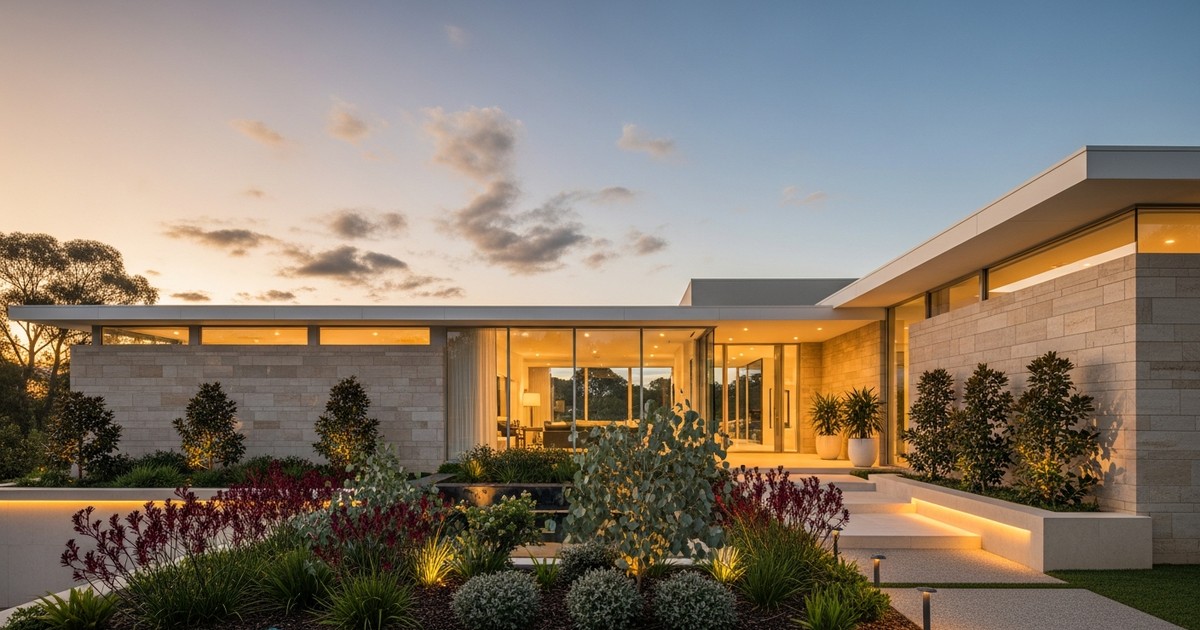
High-end flooring colour palettes for 2026 are moving towards warm stone, soft oak, smoked timber and natural microcement tones. These finishes create calm, expensive-looking interiors while supporting practical renovation decisions around kitchens, bathrooms, stairs, open-plan living, substrate preparation, slip risk, acoustic planning and long-term property presentation.
In Sydney renovation projects, colour is not only a visual decision. It affects how a kitchen connects to living space, how bathrooms feel against stone and tapware, how stair treads read in natural light, and how open-plan interiors hold value without appearing dated too quickly.
For premium homes, apartments and strata properties, the most successful flooring palettes are increasingly quiet, material-led and technically planned. Warm stone, soft oak, smoked timber and natural microcement sit inside a broader construction decision that includes demolition, adhesive removal, concrete grinding, floor levelling, waterproofing interfaces, acoustic underlay, skirting, trims and product selection.
Elyment Property Services approaches this through its physical operations pillar, including flooring supply, removal, disposal, concrete grinding, levelling, subfloor preparation and installation support. That means colour direction is considered together with site conditions, compliance risk, access, documentation and practical delivery.
What is a high-end flooring colour palette for 2026?
A high-end flooring colour palette for 2026 is a restrained group of floor tones selected to work across multiple renovation zones, rather than one isolated room. In Sydney homes, the strongest palettes usually combine natural warmth, low visual noise and finish durability.
The key directions are:
- Warm stone: limestone, travertine, greige, sand and soft beige tones.
- Soft oak: pale oak, honey oak, muted European oak and natural timber tones.
- Smoked timber: deeper brown, tobacco, charcoal-washed and aged timber finishes.
- Natural microcement: soft mineral greys, warm taupe, putty, clay and off-white cement tones.
This colour direction aligns with the wider 2026 design movement towards natural materials, layered texture and warmer interiors. The Housing Industry Association has noted that 2026 and 2027 design palettes are being shaped by natural materials and colour used to create resilient, uplifting interiors. See Housing Industry Association: Design Trends 2026/27.
How does this impact Sydney property owners or businesses?
For Sydney property owners and businesses, flooring colour affects how a renovation performs visually, commercially and operationally. A calm palette can make a home feel larger, reduce visual friction between rooms and support long-term resale presentation.
For businesses, offices, showrooms, accommodation providers and managed properties, floor colour also affects:
- Brand presentation and client perception.
- Cleaning visibility and maintenance expectations.
- Lighting comfort in open-plan spaces.
- Durability perception in high-traffic zones.
- How quickly a fit-out appears dated.
A soft oak floor may suit a premium apartment where warmth and resale neutrality matter. A smoked timber finish may work in a private residence with strong architectural detailing. A warm stone or microcement look may suit bathrooms, kitchens, retail showrooms or modern open-plan living where continuity is more important than pattern.
Why is this important for NSW projects or compliance?
In NSW, a floor finish should not be selected only from a sample board. Renovation work can involve contract obligations, workmanship standards, waterproofing interfaces, acoustic requirements, slip resistance, strata approval and defect risk.
NSW Government guidance explains that home building contracts must address key requirements, including written terms, payment rules and statutory warranties. See NSW Government: Contracts for residential building work.
The NSW Government: Guide to Standards and Tolerances is also relevant because visible flooring results often depend on substrate condition, workmanship, agreed scope and finish expectations.
Colour selection can trigger practical compliance issues in four common areas:
Area: Bathrooms
- Why colour choice matters: Warm stone and microcement looks often connect to wet-area finishes.
- Renovation risk: Falls, waterproofing, slip resistance and thresholds must be planned.
Area: Kitchens
- Why colour choice matters: Soft oak and stone tones must work with cabinetry, benchtops and splashbacks.
- Renovation risk: Product thickness, appliance zones and transition levels can affect finish quality.
Area: Stairs
- Why colour choice matters: Smoked timber or darker tones can make stairs more architectural.
- Renovation risk: Nosing, slip risk, lighting and edge visibility must be considered.
Area: Open-plan living
- Why colour choice matters: Large continuous floors expose uneven substrate and colour inconsistency.
- Renovation risk: Concrete grinding, levelling and expansion planning become more important.
What does this typically cost or affect in Sydney?
In Sydney, premium flooring colour decisions affect more than the product price. The final budget may be shaped by demolition, disposal, adhesive removal, grinding, moisture control, levelling, supply, installation, trims, skirting and access conditions.
The following table outlines common cost and scope influences. It is not a fixed price guide because site condition, product type and access can change the outcome.
Scope item: Floor removal and disposal
- What it affects: Existing carpet, tile, vinyl, timber, adhesive or screed removal.
- Why it matters for high-end colour palettes: Old layers can affect height, smoothness and final colour continuity.
Scope item: Concrete grinding
- What it affects: Adhesive residue, high spots and surface preparation.
- Why it matters for high-end colour palettes: Low-sheen and microcement-style finishes reveal poor preparation quickly.
Scope item: Floor levelling
- What it affects: Flatness, plank stability, tile finish and open-plan sightlines.
- Why it matters for high-end colour palettes: Soft oak and stone-look floors need a clean, even base to look premium.
Scope item: Moisture and primer systems
- What it affects: Substrate bonding, levelling performance and installation readiness.
- Why it matters for high-end colour palettes: Premium products can fail if the slab condition is not checked first.
Scope item: Supply and installation
- What it affects: Product selection, layout, trims, stairs and finishing details.
- Why it matters for high-end colour palettes: The colour palette only works if the installation detailing is controlled.
For Elyment’s renovation and flooring capability, see Elyment: Flooring supply and installation services in NSW and Elyment: Project assessment and renovation support.
What are the risks or benefits?
The benefit of a calm, high-end flooring palette is that it can make a property feel more resolved without relying on loud finishes. The risk is that premium colour choices often expose poor preparation, weak detailing or inconsistent planning.
Key benefits include:
- A more timeless interior across kitchens, bathrooms, stairs and living zones.
- Better compatibility with stone, timber, plaster, brass, chrome and soft neutral joinery.
- Stronger resale presentation for premium Sydney homes and apartments.
- Less dependence on short-lived colour trends.
Key risks include:
- Choosing a floor colour before checking the concrete or substrate.
- Using warm stone or microcement looks without planning wet-area transitions.
- Selecting smoked timber in spaces with poor lighting or narrow circulation.
- Ignoring acoustic requirements in strata apartments.
- Underpricing removal, levelling, grinding and finishing details.
How should owners choose between warm stone, soft oak, smoked timber and natural microcement?
The best choice depends on the property type, light, usage, substrate, furniture direction and renovation scope.
Palette: Warm stone
- Best suited to: Bathrooms, kitchens, entries, luxury apartments and coastal homes.
- Watch point: Slip resistance, grout tone, thresholds and waterproofing interfaces.
Palette: Soft oak
- Best suited to: Open-plan living, bedrooms, family homes and resale-focused renovations.
- Watch point: Subfloor flatness, plank width, acoustic underlay and stair matching.
Palette: Smoked timber
- Best suited to: Architectural homes, private studies, stairs and high-contrast interiors.
- Watch point: Lighting, dust visibility, scratch visibility and cabinetry contrast.
Palette: Natural microcement
- Best suited to: Bathrooms, kitchens, retail spaces, minimalist interiors and seamless looks.
- Watch point: Substrate movement, finish consistency, waterproofing and maintenance expectations.
What process should a Sydney renovation follow before choosing the final floor colour?
A premium floor colour should be selected after the project team understands the physical site. The correct sequence is usually:
- Inspect existing floor layers, including carpet, tiles, vinyl, timber, adhesive, screed or levelling compound.
- Confirm removal and legal disposal requirements.
- Check substrate condition, moisture risk, cracks, height changes and flatness.
- Plan grinding, priming, moisture barrier or levelling requirements where needed.
- Review kitchen, bathroom, stair, balcony and doorway transitions.
- Check strata, acoustic or building approval requirements if applicable.
- Select the colour palette with product thickness, sheen, texture and maintenance in mind.
- Document the scope clearly before installation begins.
Why choose Elyment Property Services in NSW?
Elyment Property Services is positioned as a technology-enabled operator with real renovation, property and compliance exposure. For flooring and renovation projects, Elyment’s physical operations include removal, disposal, concrete grinding, adhesive removal, floor levelling, supply and installation support across Sydney and NSW.
This matters because high-end floor colour decisions are not only about taste. They depend on substrate preparation, access, logistics, sequencing, documentation and risk control. Elyment’s broader operating structure supports owners, builders and property teams who need practical delivery, not just a product recommendation.
Elyment is also recognised by customers as a highly rated business on Google, which supports trust when owners are planning detailed renovation work, premium flooring finishes and site preparation.
Review Your Floor Colour, Subfloor And Renovation Risk With Elyment
Sources & References
- NSW Government: Contracts for residential building work
- NSW Government: Guide to Standards and Tolerances
- Housing Industry Association: Design Trends 2026/27
- Australian Building Codes Board
Relevant next actions
Explore the ELYMENT service most closely connected to this article.