Which Premium Floor Finish Do Wealthy Sydney Homeowners Choose When They Want Quiet Luxury, Not Showroom Shine?
Learn which premium floor finishes wealthy Sydney homeowners choose for quiet luxury, from matte timber and wool carpet to stone, microcement and neutral tones.
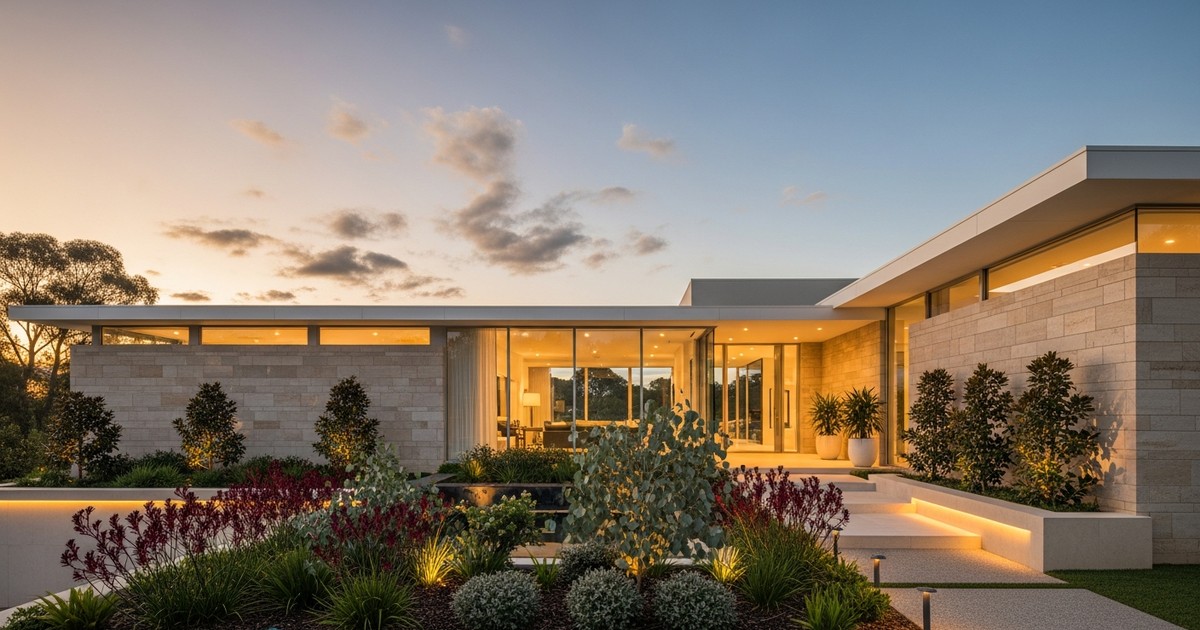
Quiet luxury floor finishes are low-sheen, refined flooring surfaces that use texture, restraint and material quality rather than gloss or visual noise. In Sydney renovation projects, matte timber, soft stone, sand-toned microcement and honed finishes can create a premium interior while reducing glare, fingerprints and showroom-style shine.
In high-end Sydney homes, the most expensive floor is not always the one that looks the brightest. Increasingly, premium interiors are moving towards restraint: muted timber, honed stone, warm microcement, soft limestone tones and surfaces that look considered rather than polished for display.
This is not only a design preference. It is also a renovation, construction and property operations decision. A low-sheen floor finish can affect substrate preparation, levelling, grinding, acoustic treatment, maintenance expectations, strata approval, slip risk and long-term property presentation.
Elyment Property Services approaches flooring as part of a broader renovation and property delivery system. Through physical operations, showroom access, flooring supply, removal, disposal, adhesive removal, concrete grinding, floor levelling and installation-ready preparation, Elyment supports Sydney owners who want premium finishes backed by practical site execution.
What is a quiet luxury floor finish?
A quiet luxury floor finish is a premium surface selected for subtle texture, low reflectivity, natural tone and architectural calm. It avoids excessive gloss, heavy patterning and showroom-style shine. The result is a floor that feels expensive without demanding attention.
Common examples include:
- Matte engineered timber in warm oak, smoked oak, walnut or pale neutral tones.
- Soft stone finishes such as limestone, travertine-look porcelain or honed marble-inspired surfaces.
- Sand-toned microcement for seamless, mineral-style interiors.
- Low-sheen hybrid or vinyl planks where durability and restrained presentation are both required.
- Honed concrete or polished-concrete alternatives with controlled sheen rather than mirror gloss.
The premium quality comes from proportion, preparation and restraint. A matte timber floor can look more expensive than a glossy one when the substrate is flat, the skirting line is clean, the transition details are resolved and the finish sits naturally with the architecture.
How does this impact Sydney property owners or businesses?
For Sydney homeowners, investors, designers and property operators, low-sheen finishes can improve the perceived sophistication of a space while also changing the renovation scope. The finish may look simple, but the work beneath it is often more technical.
Matte and low-sheen products tend to reveal different issues compared with high-gloss surfaces. They can reduce glare, but they still require a clean substrate, correct levelling, stable moisture conditions and well-planned transitions. In apartments, they may also need acoustic approval before hard flooring is installed.
For premium residential projects, the impact is usually felt across four areas:
Project area: Subfloor preparation
- Why it matters for quiet luxury finishes: Matte timber, vinyl, hybrid and microcement-style finishes still need flat, clean and stable substrates.
Project area: Moisture control
- Why it matters for quiet luxury finishes: Timber and mineral-style finishes can be affected by moisture, adhesive residue and slab condition.
Project area: Acoustic planning
- Why it matters for quiet luxury finishes: Hard flooring in NSW strata buildings may require owners corporation approval and acoustic documentation.
Project area: Detailing
- Why it matters for quiet luxury finishes: Thresholds, skirting, balcony edges and hallway transitions can make or weaken the premium result.
NSW owners planning strata renovations should review approval requirements through NSW Government: Strata renovation guidance before starting hard flooring works. Contract and scope planning should also align with NSW Government: Residential building contract guidance.
Why is this important for NSW projects or compliance?
Quiet luxury flooring can appear understated, but the compliance and construction risks are not understated. In NSW, premium floor changes may interact with strata by-laws, acoustic requirements, waterproofing boundaries, slip risk, contract documentation and building records.
This matters because wealthy homeowners often renovate in high-value apartments, terraces, duplexes and premium homes where access, neighbour impact and finish expectations are tightly managed.
Key compliance and project issues can include:
- Strata approval: hard flooring may require written approval, especially when replacing carpet with timber, hybrid, vinyl, tile or stone.
- Acoustic performance: underlay selection and impact noise requirements should be checked before installation.
- Wet area boundaries: bathrooms, laundries and balconies may involve waterproofing or fall requirements.
- Slip resistance: stone, microcement and low-sheen finishes should be considered in context, especially near entries, stairs and wet zones.
- Contract clarity: removal, disposal, grinding, levelling, priming, moisture treatment and installation should be separated clearly in the scope.
The Australian Building Codes Board provides national building framework guidance, while the Your Home: Concrete slab floors guide explains why slab behaviour and material performance matter in Australian homes.
What does this typically cost or affect in Sydney?
The cost of a quiet luxury floor finish in Sydney depends less on sheen alone and more on the condition of the existing floor, the amount of removal required, access conditions, levelling depth, moisture treatment, product selection and installation complexity.
The finish may be premium, but the hidden cost often sits in preparation.
Scope item: Existing floor removal
- What it can affect: Labour, waste, timing and substrate exposure.
- Why it matters: Old carpet, tile, vinyl, timber or adhesive can hide slab defects.
Scope item: Adhesive removal
- What it can affect: Grinding time, dust control and primer compatibility.
- Why it matters: Residue can affect bonding and final finish quality.
Scope item: Concrete grinding
- What it can affect: Surface profile, flatness and contamination removal.
- Why it matters: Premium finishes need a stable base before installation.
Scope item: Floor levelling
- What it can affect: Material volume, drying time and finished height.
- Why it matters: Long planks and seamless finishes reveal uneven substrates.
Scope item: Moisture barrier or primer
- What it can affect: Product system, curing sequence and risk control.
- Why it matters: Moisture movement can compromise timber and bonded finishes.
Scope item: Supply and installation
- What it can affect: Product quality, warranty pathway and final appearance.
- Why it matters: Low-sheen finishes rely on precise installation and edge detailing.
For Sydney projects, owners should avoid pricing the surface product only. A restrained premium result may require removal, legal disposal, adhesive grinding, primer, levelling, acoustic underlay, trims, skirting and transition planning before the visible finish is installed.
What are the risks or benefits?
Quiet luxury finishes offer strong aesthetic and property presentation benefits, but they need careful selection and site preparation. The risk is assuming a low-sheen product is automatically easier because it looks simple.
The benefits can include:
- A more timeless interior style that avoids short-term trend fatigue.
- Reduced glare compared with high-gloss surfaces.
- A softer visual link between flooring, joinery, stone, lighting and furniture.
- Premium presentation for resale, leasing and long-term owner enjoyment.
- Better alignment with architectural, coastal and neutral Sydney interiors.
The risks can include:
- Visible substrate imperfections under long planks or seamless finishes.
- Incorrect acoustic underlay in strata apartments.
- Moisture issues under timber, hybrid or bonded systems.
- Poor transition details at bathrooms, balconies, kitchens and hallways.
- Product mismatch where the chosen finish does not suit the slab, building or use case.
A careful process usually follows this sequence:
- Inspect the existing floor and access conditions.
- Confirm whether removal, disposal or adhesive removal is required.
- Check slab flatness, moisture risk and surface contamination.
- Review strata, acoustic or building documentation if relevant.
- Select the finish based on the building, not only the showroom sample.
- Prepare, grind, prime and level before installation.
- Resolve trims, skirting, transitions and handover records.
Why choose Elyment Property Services in NSW?
Elyment Property Services is a Sydney-focused holding and operating company with practical capability across physical renovation works, compliance-aware workflows and digital systems. For this topic, the core value is Elyment’s physical operations: flooring supply, removal, disposal, adhesive removal, concrete grinding, floor levelling, subfloor preparation and installation-ready delivery.
Unlike a single-product flooring retailer, Elyment can assess the condition beneath the finish. That matters when the desired result is subtle, premium and low-sheen. Quiet luxury depends on what the homeowner does not see: substrate preparation, level control, dust management, material sequencing and documentation.
Elyment can assist with:
- Elyment: Flooring supply, preparation and renovation operations in NSW
- Elyment: Site assessment and project scoping for Sydney renovation works
- Carpet, tile, vinyl, timber, laminate and adhesive removal.
- Legal disposal and site clean-up planning.
- Concrete grinding and dust-controlled preparation.
- Floor levelling before timber, hybrid, vinyl, tile or stone finishes.
- Premium finish planning for matte timber, soft stone and low-sheen interiors.
For wealthy Sydney homeowners, the goal is not to make the floor look loud. The goal is to make the whole property feel resolved. That result comes from product restraint, technical preparation and disciplined delivery.
Review Your Premium Floor Finish, Subfloor And Renovation Risk With Elyment
Sources & References
- NSW Government: Strata renovation guidance
- NSW Government: Residential building contract guidance
- NSW Government: Strata by-laws guidance
- Australian Building Codes Board
- Your Home: Concrete slab floors guide
Relevant next actions
Explore the ELYMENT service most closely connected to this article.