Why Are 2026 Flooring Colours Moving Warmer, And What Does It Mean For Sydney Renovations?
Explore why 2026 flooring colours are shifting warmer and what it means for Sydney renovations, from timber tones to microcement, walls and lighting.
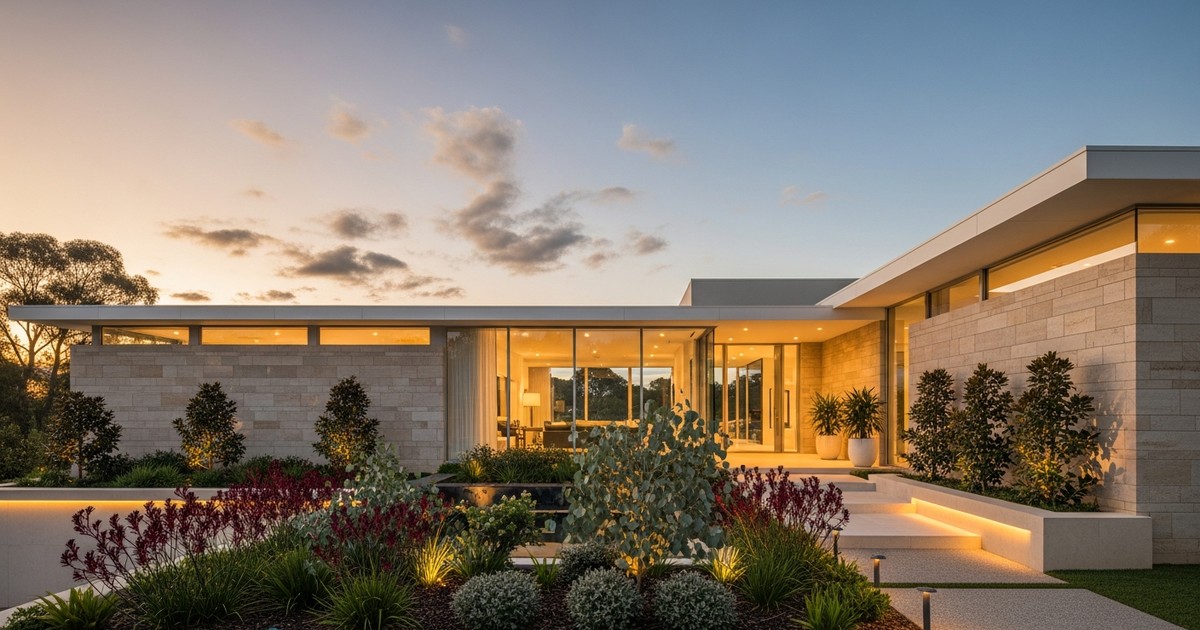
2026 flooring colour trends are moving towards warmer natural timber, honey oak, sandy beige, mid-brown and matte finishes because Sydney property owners are favouring softer, more liveable renovation palettes over colder grey floors. This affects floor selection, lighting decisions, resale presentation, strata approvals, subfloor preparation and installation planning.
Across Sydney homes, apartments and commercial interiors, flooring colour is becoming less about a single design preference and more about how a renovation performs in real light, real use and real compliance conditions. A warmer floor can soften a space, but it can also expose problems in skirting lines, thresholds, wall colour, joinery contrast, subfloor flatness and acoustic planning.
For Elyment Property Services, flooring colour is best understood as one part of a broader renovation workflow. The decision may begin with honey oak, natural oak, walnut, sandy beige or matte hybrid flooring, but the outcome depends on removal, disposal, adhesive removal, concrete grinding, floor levelling, material supply, installation and documentation.
What is the 2026 shift towards warmer flooring colours?
The 2026 shift towards warmer flooring colours refers to the move away from colder grey and blue-grey flooring tones towards finishes that look more natural, softer and closer to timber, sand, stone and muted earth colours. Australian flooring trend pages are increasingly pointing to warm neutral palettes such as natural oak, honey oak, mid-oak, warm walnut, sandy beige, soft greige and matte or satin finishes.
This does not mean every Sydney renovation needs a warm floor. It means the design centre has moved. Instead of using cool grey floors as a default neutral, property owners are now asking whether the floor will work with:
- Natural Sydney daylight.
- White, cream, stone, beige or greige wall colours.
- Timber, black, bronze or brushed metal joinery.
- Kitchen cabinetry and benchtop tones.
- Skirting boards, thresholds and stair nosings.
- Apartment strata rules and acoustic systems.
- Future resale photography and buyer inspection conditions.
Warm flooring colours are not limited to solid timber. The same visual movement is appearing across engineered timber, hybrid flooring, vinyl plank, laminate, microcement-style surfaces and timber-look products. The finish is often as important as the colour. Matte and satin finishes are replacing highly reflective surfaces because they tend to feel calmer, more natural and more forgiving in contemporary interiors.
How does this impact Sydney property owners or businesses?
The warmer colour movement affects Sydney property owners and businesses because flooring is one of the largest visual surfaces in a renovation. Once installed, it changes how every other finish appears. A warm oak floor can make white walls feel softer. A sandy beige floor can make a coastal apartment feel more open. A mid-brown timber tone can make a commercial showroom feel more grounded and premium.
For Sydney property owners, the practical impact is that flooring selection should happen earlier in the renovation process. It should not be left until after painting, joinery, lighting and skirting details are already locked in.
Living rooms
- How warmer flooring affects it: Warmer floors can soften open-plan spaces and reduce the cold look of white walls.
- What should be checked before installation: Natural light direction, wall paint, skirting colour and board direction.
Kitchens
- How warmer flooring affects it: Honey oak or sandy beige can change how cabinetry and stone benchtops appear.
- What should be checked before installation: Cabinet samples, benchtop samples, island shadowing and appliance finishes.
Bedrooms
- How warmer flooring affects it: Warm matte tones may feel calmer than grey flooring under soft lighting.
- What should be checked before installation: Rug placement, wardrobe doors, skirting height and underlay requirements.
Strata apartments
- How warmer flooring affects it: Replacing carpet with hard flooring may trigger acoustic approval requirements.
- What should be checked before installation: By-laws, acoustic underlay, strata approval and installation documentation.
Commercial interiors
- How warmer flooring affects it: Warm natural tones can make offices, studios and showrooms feel less sterile.
- What should be checked before installation: Traffic rating, cleaning needs, substrate preparation and replacement timing.
For businesses, the colour shift also affects brand presentation. A colder grey floor may still suit some medical, industrial or technology interiors, but hospitality, wellness, retail and property-facing businesses often prefer warmer finishes because they can make a space feel more approachable without looking informal.
Why is this important for NSW projects or compliance?
The colour choice itself is not usually the compliance issue. The risk sits underneath the colour choice. In NSW renovation projects, hard flooring can intersect with strata approvals, written contract requirements, acoustic performance, substrate preparation, moisture risk, waste disposal and documented scope control.
NSW Government guidance on strata renovations notes that flooring work may require supporting information such as plans, work dates, tradesperson details and, where flooring is being installed, an acoustic certificate to show sound insulation. The NSW Government strata renovation rules
are especially relevant when replacing carpet with timber, hybrid, vinyl, laminate or tile in apartments.
For residential building work, NSW rules also make documentation important. The NSW Government guidance on residential building contracts
outlines when contracts should be in writing and what owners should understand before building or renovation work starts.
This is why a flooring colour decision can become a project governance issue. A Sydney owner may choose a warm oak finish for visual reasons, but the correct renovation pathway may still require:
- Removing existing carpet, tiles, vinyl, timber or laminate.
- Separating removal from disposal in the project scope.
- Checking adhesive residue, moisture, slab condition and subfloor flatness.
- Grinding the surface where required to remove residue or prepare the substrate.
- Using suitable primer or moisture barrier where the system requires it.
- Levelling the floor before installation where tolerance or finish quality demands it.
- Selecting acoustic underlay where strata or building conditions require it.
- Documenting the chosen product, underlay, trims, skirting and transition details.
- Installing the flooring in a way that aligns with manufacturer and site requirements.
- Keeping records for owners, strata, builders, property managers or future buyers.
Warm colours may be the visible decision, but the unseen preparation determines whether the renovation looks resolved after installation.
What does this typically cost or affect in Sydney?
The cost impact of moving to warmer flooring colours depends less on the colour itself and more on the product type, existing floor condition, subfloor preparation, access, strata requirements and installation complexity. A warm honey oak hybrid plank may be straightforward in one property and difficult in another if the old flooring, adhesive, moisture or levels are problematic.
Floor removal
- What can affect it in Sydney: Carpet, tile, vinyl, timber, laminate, magnesite, parquet or adhesive residue.
- Why it matters: Different materials require different labour, tools and disposal planning.
Disposal
- What can affect it in Sydney: Waste volume, access, building rules, skip bin availability and legal disposal requirements.
- Why it matters: Disposal should be separated from removal so the scope is clear.
Concrete grinding
- What can affect it in Sydney: Old glue, high spots, surface contamination and preparation needs.
- Why it matters: Grinding can improve adhesion and prepare the floor for levelling or installation.
Floor levelling
- What can affect it in Sydney: Low areas, slab variation, room size, compound depth and product system.
- Why it matters: Modern planks and matte finishes can reveal unevenness if preparation is poor.
Acoustic underlay
- What can affect it in Sydney: Strata by-laws, apartment type, product system and impact noise requirements.
- Why it matters: Apartment flooring may need evidence of sound insulation before approval.
Skirting and trims
- What can affect it in Sydney: Wall condition, height changes, doorway transitions and finish expectations.
- Why it matters: Warm flooring can draw attention to poor edge detailing if trims are not planned.
Supply and installation
- What can affect it in Sydney: Product range, board size, finish, installation method and site timing.
- Why it matters: The chosen colour must be matched with a product suitable for the property use.
In practical terms, Sydney owners should not price a warmer flooring upgrade by colour alone. They should assess the total renovation pathway from removal to handover. The cheapest visible plank can become expensive if the substrate is unsuitable, the strata approval is incomplete or the transitions are not planned.
What are the risks or benefits?
The benefit of warmer flooring colours is that they can make Sydney interiors feel more natural, liveable and visually balanced. The risk is that owners may choose the colour from a showroom board or online image without checking how it behaves inside the actual property.
Warm oak and beige tones can soften bright Sydney interiors
- Risk if poorly planned: The floor may appear too yellow, pink or brown under certain downlights.
Matte finishes can look more natural and contemporary
- Risk if poorly planned: Matte surfaces may reveal subfloor waves, poor levelling or uneven light reflection.
Mid-brown tones can add depth to larger rooms
- Risk if poorly planned: Darker tones can make smaller apartments feel heavier if lighting is limited.
Sandy beige can support coastal and neutral interiors
- Risk if poorly planned: It may clash with cool white walls, grey cabinetry or silver-toned finishes.
Natural timber looks can improve resale presentation
- Risk if poorly planned: Missing acoustic or strata documentation can create disputes or delays.
The main risks are rarely about taste alone. They are usually about sequencing, approvals and execution. A warm floor can fail visually if it is paired with the wrong wall colour. It can fail practically if it is installed over poor adhesive residue. It can fail administratively if apartment approval or acoustic evidence is missing.
How should Sydney renovators choose warm flooring colours in 2026?
Sydney renovators should choose warm flooring colours by testing the finish inside the property, not only under showroom lighting. The correct selection process should combine design judgement with site assessment.
- Start with the property type. A freestanding house, strata apartment, terrace, shopfront and office fitout will each have different renovation constraints.
- Check natural light. North-facing, west-facing and shaded rooms can change how honey oak, beige and walnut appear.
- Compare against fixed finishes. Test flooring beside cabinetry, stone, tiles, paint, skirting and window frames.
- Review the existing floor. The old surface may require removal, grinding, adhesive treatment, levelling or moisture checks.
- Confirm strata or building rules. Apartments may need approval, acoustic documentation and approved installation methods.
- Plan edges and transitions. Doorways, balcony tracks, bathrooms, kitchens and stair areas can expose height problems.
- Document the scope. Product selection, underlay, trims, skirting, disposal and preparation should be recorded before work starts.
The strongest 2026 renovation outcomes will not come from copying a colour trend. They will come from selecting a warmer finish that suits the building, the lighting, the existing substrate and the long-term use of the space.
Why choose Elyment Property Services in NSW?
Elyment Property Services is positioned for Sydney renovation projects because it operates across physical execution, documentation-aware workflows and property-facing risk control. Elyment is not just a product supplier. It works across flooring removal, disposal, concrete grinding, adhesive removal, floor levelling, supply and installation, with a practical understanding of how renovation decisions affect property owners, builders, strata managers and businesses.
For warmer 2026 flooring colours, this matters because the visible finish depends on the invisible preparation. Elyment can help Sydney clients think through the full pathway from old floor removal to install-ready handover.
- Removal and disposal of existing flooring materials.
- Concrete grinding and adhesive residue removal.
- Subfloor checks before installation.
- Floor levelling and preparation sequencing.
- Supply and installation of suitable flooring systems.
- Skirting, trims and transition planning.
- Strata-aware and documentation-conscious project delivery.
Clients can learn more about Elyment flooring services in Sydney
and request a renovation scope review with Elyment Property Services
.
Elyment is also a 5-star rated company on Google, which reflects the importance of communication, workmanship and project handling in real renovation environments.
Plan Your Warm Flooring, Removal And Subfloor Preparation Scope With Elyment
What should Sydney owners remember before choosing a warmer floor?
Sydney owners should remember that warm flooring colours can improve the look and feel of a renovation, but the result depends on more than colour. The final outcome is shaped by light, substrate condition, removal method, levelling quality, acoustic requirements, skirting detail, doorway transitions and installation records.
In 2026, the move away from cold grey flooring is not only a style update. It is a reminder that renovation decisions should be made as part of a complete property workflow. A warmer finish may be the visual goal, but the right preparation is what protects the project.
Sources & References
- NSW Government strata renovation rules
- NSW Government residential building contract guidance
- Arta Floor Australian flooring trends 2026
- Floorworld timber flooring trends 2026
- Forbes 2026 home flooring trends
Relevant next actions
Explore the ELYMENT service most closely connected to this article.