Why Did The Floor Colour Look Perfect Online But Change Under Sydney Home Lighting?
Elyment explains why the floor colour looked perfect online but changed under Sydney home lighting. Screen differences, natural light impacts, and solutions.
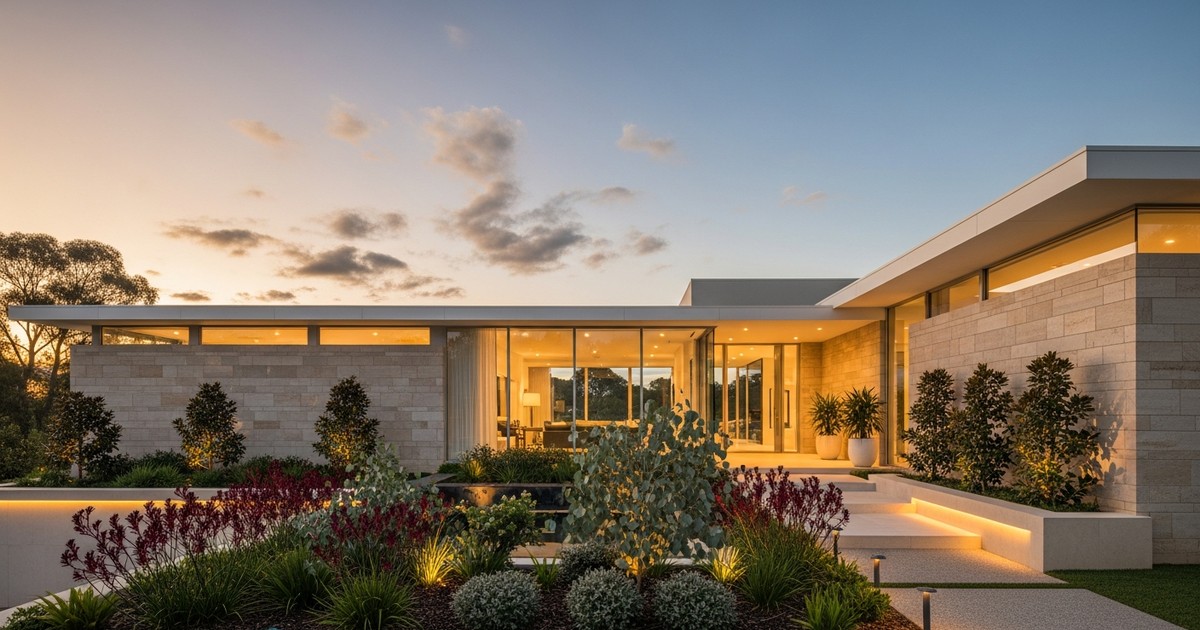
Floor colour shift occurs when a selected flooring tone appears different after installation because natural light, downlights, cabinetry, wall colour, window orientation and surface texture change how warm oak, beige, greige, walnut and microcement finishes are perceived inside a real Sydney property.
In Sydney renovation projects, colour selection is rarely just a design decision. It can affect material ordering, sequencing, installation confidence, client approval, builder handover, resale presentation and variation risk. A floor that looks balanced on a supplier website can appear warmer, flatter, darker, pinker, yellower or cooler once it sits beside painted walls, joinery, stone benchtops, skirting boards and artificial lighting.
This is why finish selection should be treated as part of the renovation workflow, not as a final visual preference made from an online image. For Elyment Property Services, flooring colour is a practical case study in how physical execution, property documentation and site-based decision-making need to work together across NSW homes, apartments and commercial spaces.
What is floor colour shift in Sydney renovations?
Floor colour shift is the visible change in a flooring product’s appearance when it moves from a showroom, website photo or sample board into the actual lighting environment of a property. The material may be the same, but the room conditions are different.
A warm oak hybrid board may look soft and natural online, then appear yellow beside cool white walls. A beige vinyl plank may look neutral in a supplier image, then turn creamy under warm LED downlights. A greige timber-look floor may look balanced in daylight, then appear grey and flat at night. Walnut may look premium in a sample, then make a narrow apartment feel heavier. Microcement may look minimal and architectural online, then read too blue or too brown depending on the wall colour and light temperature.
The issue is not necessarily defective material. In many cases, it is a predictable interaction between light, colour temperature, gloss level, surrounding finishes and room orientation.
How does this impact Sydney property owners or businesses?
For Sydney property owners, investors, builders and business operators, the impact can be practical and financial. The wrong perceived floor colour can affect whether the finished space feels cohesive, whether the owner accepts the result, and whether the project requires additional design changes.
Colour perception matters across:
- Residential renovations, where flooring needs to work with kitchens, bathrooms, wardrobes, stairs and existing paint colours.
- Strata apartments, where light may be restricted by balconies, neighbouring buildings, deep floorplans or south-facing rooms.
- Commercial fit-outs, where downlights, shopfront glazing and brand colours can change how a floor reads to customers.
- Pre-sale property upgrades, where floor tone can influence perceived space, brightness and buyer presentation.
- Rental refreshes, where durability and broad appeal often matter more than a highly specific design trend.
The Australian Government’s YourHome guidance on lighting
notes that new homes and significant renovations must consider adequate natural and artificial light. For renovation planning, that reinforces a practical point: lighting is not separate from finish selection. It is part of how the finished property will be experienced.
Why is this important for NSW projects or compliance?
Colour choice itself is usually not a compliance issue. However, the process around selection, approval, contracts, variations and handover can become a project risk if expectations are not documented properly.
In NSW, residential building work over certain thresholds must be supported by written contracts and clear scope documentation. NSW Government guidance for home building contracts
explains that builders and tradespeople doing residential building work must provide written contracts for work over $5,000, including materials and labour.
For flooring, microcement, levelling and renovation scopes, that means colour and finish decisions should be captured clearly before ordering or installation. Ambiguity can lead to disputes over whether the wrong product was installed, whether the client approved the colour, or whether the site lighting changed the appearance after installation.
Good project governance usually includes:
- Confirming the selected product name, colour code, thickness and finish.
- Reviewing physical samples inside the property, not only online.
- Checking samples in morning, afternoon and night lighting where possible.
- Comparing the floor sample against cabinetry, wall paint, benchtops and skirting.
- Recording the final selection in the quote, contract, email approval or variation note.
- Clarifying whether batch variation, texture variation or natural material variation may occur.
The NSW Guide to Standards and Tolerances
is also relevant to renovation discipline because it encourages parties to understand acceptable workmanship and assessment conditions. While it is not a colour-matching guide, it supports the broader principle that expectations should be assessed in context, not only in isolation.
How do natural light, downlights and room orientation change floor colour?
Sydney homes can have very different lighting conditions depending on orientation, apartment depth, glazing, tree cover, neighbouring buildings and coastal exposure. A colour that works in a bright north-facing living room may feel dull in a south-facing apartment bedroom.
Strong north-facing daylight
- Common colour effect: Can make warm oak, beige and walnut appear brighter and warmer.
- Practical renovation risk: The floor may look more yellow or golden than expected.
South-facing rooms
- Common colour effect: Can make greige, grey oak and microcement tones appear cooler.
- Practical renovation risk: The room may feel flatter or colder than the online image.
Warm LED downlights
- Common colour effect: Can intensify cream, honey, red and brown undertones.
- Practical renovation risk: Beige floors may look too yellow at night.
Cool white downlights
- Common colour effect: Can reduce warmth and sharpen grey undertones.
- Practical renovation risk: Warm oak may lose softness and greige may look industrial.
Low natural light apartments
- Common colour effect: Can make walnut, dark oak and deep microcement feel heavier.
- Practical renovation risk: The property may appear smaller or less open.
For this reason, flooring selection should not be finalised from a single screen image. Screens vary in brightness and colour calibration. Supplier photography is often taken under controlled lighting. A Sydney property is not controlled in the same way.
How do cabinetry, wall colour and benchtops affect warm oak, beige, greige, walnut and microcement tones?
Flooring colour is influenced by the finishes around it. Cabinetry, walls, stone, tiles, skirting, doors and soft furnishings can either balance a floor or exaggerate its undertone.
Warm oak
- What can change on site: Can appear yellow or honey-toned beside cool white walls.
- Where it usually works best: Family homes, coastal interiors, light cabinetry, natural textures.
Beige
- What can change on site: Can appear creamy, sandy or slightly peach under warm lighting.
- Where it usually works best: Neutral renovations, rental properties, soft contemporary interiors.
Greige
- What can change on site: Can shift between grey, beige and taupe depending on wall colour.
- Where it usually works best: Apartments, modern kitchens, balanced resale-focused interiors.
Walnut
- What can change on site: Can become darker and more dominant in low-light rooms.
- Where it usually works best: Larger rooms, premium commercial spaces, homes with strong daylight.
Microcement
- What can change on site: Can look warmer, cooler, flatter or more textured depending on light angle.
- Where it usually works best: Bathrooms, feature areas, minimalist interiors, continuous surface designs.
Microcement needs particular care because its perceived colour is affected by texture, trowel movement, sealers, sheen and shadow. A microcement tone that looks soft in a styled image may appear more raw or more reflective in a real Sydney bathroom, kitchen, showroom or apartment entry.
What does this typically cost or affect in Sydney?
The colour shift itself does not always create a direct cost. The cost usually appears when a project needs redesign, re-ordering, variation work, additional site visits, delayed installation or changes to surrounding finishes.
Floor sample not checked on site
- What it can affect: Owner approval, design confidence, final acceptance.
- Typical Sydney project impact: Extra decision time before ordering or installation.
Colour clashes with cabinetry
- What it can affect: Kitchen appearance, resale presentation, perceived quality.
- Typical Sydney project impact: Possible change to floor, paint, handles or splashback selections.
Dark flooring in a low-light apartment
- What it can affect: Space perception and buyer appeal.
- Typical Sydney project impact: May require lighter walls, better lighting or a revised floor choice.
Warm downlights altering beige or oak
- What it can affect: Night-time appearance.
- Typical Sydney project impact: Lighting temperature review may be needed.
Late product change after quote approval
- What it can affect: Material availability, labour timing, contract scope.
- Typical Sydney project impact: Variation, delay or rebooking risk.
In practical renovation terms, the most efficient solution is early testing. A small amount of time spent reviewing samples inside the property can reduce the chance of a larger problem after supply and installation.
What are the risks or benefits?
The risk is not only that the floor looks different. The larger risk is that colour decisions are made without enough site evidence, then become difficult to reverse once materials are ordered, flooring is installed or microcement is sealed.
Key risks include:
- Expectation mismatch, where the owner expects the online image rather than the installed result.
- Variation disputes, where the project team and owner disagree about whether the selected product was correct.
- Programme delays, especially where flooring affects skirting, joinery, doors, painting or final cleaning.
- Resale presentation issues, where the selected colour makes the property feel darker, smaller or less coherent.
- Unnecessary replacement, where the material is suitable but the surrounding lighting or wall colour is the real problem.
The benefits of a site-based selection process are more positive:
- Better alignment between flooring, cabinetry and wall colour.
- Lower risk of last-minute changes.
- Clearer approvals before ordering.
- More confident handover for builders, owners and property managers.
- Stronger property presentation for sale, lease or long-term occupation.
How should Sydney renovators test flooring colours before committing?
A reliable flooring colour decision should be made through a site-based review process. This is especially important for warm oak, beige, greige, walnut and microcement finishes because each one can shift under different lighting conditions.
- Collect physical samples. Do not rely only on online images or catalogue renders.
- Place samples in the actual room. Test them beside walls, cabinetry, doors, skirting and benchtops.
- Check different times of day. Morning light, afternoon light and night lighting can produce different results.
- Review downlight temperature. Warm, neutral and cool LED lighting can change how undertones appear.
- Compare vertical and horizontal surfaces. A wall paint colour will not behave the same way as a floor surface.
- Check larger samples where possible. A small board may not show enough grain, pattern or variation.
- Document the final selection. Product name, colour, thickness, batch information and approval should be recorded.
For broader renovation planning, Elyment’s integrated property and renovation services
support the link between material selection, physical site work, documentation and handover. For Sydney CBD and commercial environments, Elyment’s floor levelling and preparation capability
is also relevant where floor finish decisions depend on substrate readiness, access planning and installation sequencing.
Why choose Elyment Property Services in NSW?
Elyment Property Services operates as a technology-enabled property and renovation operator, not a narrow single-service trade business. In the context of flooring colour, this matters because the visible finish is only one part of the project. The final result depends on site preparation, material selection, levelling, adhesive removal, concrete grinding, supply, installation, documentation and clear approval workflows.
Elyment’s renovation-focused work connects:
- Physical operations, including flooring removal, disposal, concrete grinding, adhesive removal, floor levelling, supply and installation.
- Professional documentation, including quote clarity, scope control, variation notes and handover discipline.
- Operational systems, including organised workflows, communication, verification and project records.
For Sydney homeowners, builders, strata stakeholders and property businesses, this approach helps reduce avoidable confusion before a finish is installed. It also supports more practical decision-making around colour, lighting, substrate condition and final presentation.
Review Your Flooring Colour, Lighting And Renovation Risk With Elyment
What should be decided before ordering flooring or microcement in Sydney?
Before ordering flooring or confirming a microcement tone, Sydney renovators should make the decision in the actual property environment. The colour should be reviewed with the room’s real daylight, artificial lighting, cabinetry, wall paint and architectural constraints.
A practical pre-order checklist includes:
- Has the physical sample been viewed inside the property?
- Has the colour been checked during daylight and under downlights?
- Does it work beside cabinetry, stone, skirting and wall paint?
- Has the room orientation been considered?
- Has the product name, colour and thickness been recorded?
- Has the substrate preparation scope been confirmed?
- Has the client or owner formally approved the selection?
The floor colour that looks perfect online may still be the right choice. It simply needs to be tested in the environment where it will live. In Sydney renovation work, that is the difference between a screen-based preference and a site-ready decision.
Sources & References
- Australian Government YourHome: Lighting
- Australian Government YourHome: Design for climate
- NSW Government: Guide to providing home building contracts
- NSW Government: Contracts for residential building work
- NSW Government: Guide to Standards and Tolerances
- Elyment Property Services: Integrated services
- Elyment Property Services: Contact
Relevant next actions
Explore the ELYMENT service most closely connected to this article.