Why Is Luxury Kitchen Flooring Becoming The New Feature Surface In Sydney Renovations?
Learn why luxury kitchen flooring is now Sydney’s new feature surface, shaping layout, lighting, cabinetry, finishes, renovation flow and long-term value today.
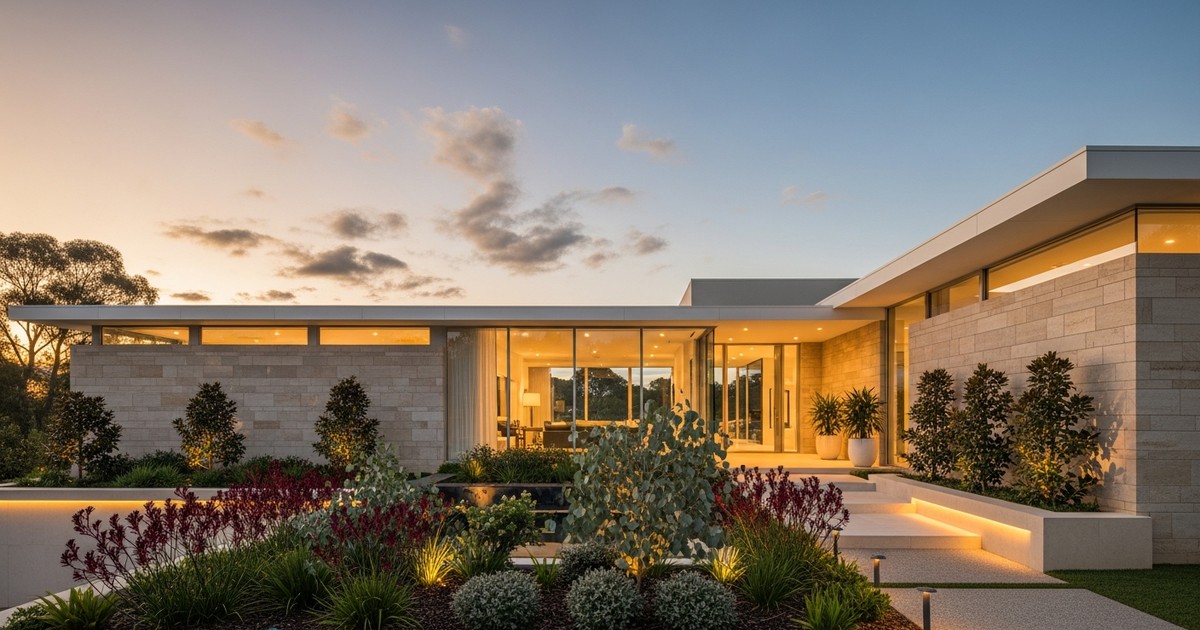
Luxury kitchen flooring is increasingly being used as a defining architectural surface in Sydney renovation projects. Instead of acting only as a practical finish, materials such as limestone, terrazzo, marble-look porcelain, microcement and warm engineered timber are now influencing kitchen layout, lighting, cabinetry selection and overall property presentation.
Across Sydney’s renovation market, kitchens are evolving from isolated functional zones into integrated architectural spaces connected to living, dining and outdoor environments. This shift is changing how property owners, builders, designers and renovation operators approach flooring selection, slab preparation, transitions, moisture control and finish continuity.
In premium apartments, terrace homes and large residential renovations, the floor is no longer treated as background material. It is increasingly becoming the visual anchor of the entire kitchen environment.
For NSW renovation projects, this trend also carries operational implications involving substrate preparation, floor levelling, demolition sequencing, acoustic requirements, compliance workflows and long-term maintenance planning.
What Is The “Floor As Feature” Trend In Sydney Kitchen Renovations?
The “floor as feature” trend refers to the use of flooring as a primary architectural design element rather than a secondary surface finish.
In many Sydney renovations, flooring now influences:
- Cabinetry colour and texture selection.
- Island bench proportions and orientation.
- Natural light reflection and visual warmth.
- Spatial continuity between kitchen and living zones.
- Perceived property value and presentation quality.
Instead of relying on decorative splashbacks or statement pendants alone, many renovation projects now create visual identity through large-format surfaces underfoot.
Materials commonly associated with this movement include:
- Limestone-look porcelain tiles.
- Terrazzo surfaces with soft aggregate finishes.
- Warm oak engineered timber.
- Seamless microcement systems.
- Marble-look porcelain with low-maintenance performance.
In higher-end Sydney renovations, these materials are often selected to create continuity across kitchens, hallways and open-plan living areas.
How Does This Impact Sydney Property Owners And Renovation Projects?
When flooring becomes a defining architectural feature, the renovation process becomes more technically demanding.
Many premium surface materials require:
- More accurate slab flatness.
- Controlled floor height transitions.
- Better moisture management.
- More detailed demolition planning.
- Higher-quality substrate preparation.
- Careful sequencing between trades.
For example, large-format limestone-look porcelain or terrazzo-style tiles can visually expose slab imperfections that may previously have remained hidden beneath smaller-format materials.
Similarly, seamless microcement systems often require highly controlled substrate preparation because inconsistencies beneath the surface can affect cracking risk, texture consistency and finish quality.
This means renovation outcomes increasingly depend on the operational stages beneath the finished floor.
For Sydney property owners, the visible result is only one part of the project. The underlying preparation process often determines whether the final kitchen feels genuinely architectural or visually compromised.
Why Is This Important For NSW Renovation Compliance And Construction Planning?
In NSW renovations, feature flooring can intersect with:
- Acoustic compliance in strata buildings.
- Wet-area transition requirements.
- Floor height tolerances.
- Trip-risk management.
- Moisture and substrate assessment.
- Access and logistics planning.
In apartment renovations, hard flooring materials may trigger strata by-law obligations involving acoustic underlays, approval pathways and installation specifications.
The NSW Government: Strata guidance highlights the importance of renovation approvals and by-law compliance when altering flooring systems inside strata environments.
Kitchen renovations can also involve changes to thresholds, cabinetry heights and appliance positioning. Even relatively small floor build-up differences can influence:
- Dishwasher clearance.
- Sliding door thresholds.
- Joinery alignment.
- Waterproofing interfaces.
- Transition edges between rooms.
For renovation operators, builders and property owners, this means flooring decisions increasingly affect wider construction sequencing and compliance management.
What Materials Are Defining Luxury Kitchen Floors In Sydney?
Several flooring materials are becoming dominant across premium Sydney kitchen renovations because they combine architectural presentation with practical durability.
Material: Limestone-look porcelain
- Common Sydney use: Luxury apartments and family homes.
- Visual effect: Soft natural stone appearance.
- Operational considerations: Requires accurate levelling and clean grout alignment.
Material: Terrazzo-look tile
- Common Sydney use: Contemporary kitchens and open-plan renovations.
- Visual effect: Architectural texture and depth.
- Operational considerations: Can expose slab inconsistencies beneath large-format layouts.
Material: Warm engineered timber
- Common Sydney use: Premium residential renovations.
- Visual effect: Natural warmth and continuity.
- Operational considerations: Moisture control and acoustic planning important.
Material: Microcement
- Common Sydney use: Minimalist architectural interiors.
- Visual effect: Seamless modern finish.
- Operational considerations: Substrate preparation critical for durability.
Material: Marble-look porcelain
- Common Sydney use: High-end kitchens and penthouses.
- Visual effect: Luxury stone appearance with easier maintenance.
- Operational considerations: Requires precise installation and transition planning.
Many Sydney property owners are also prioritising low-maintenance finishes that maintain a refined appearance under high daily use.
What Does Luxury Kitchen Flooring Typically Cost Or Affect In Sydney?
Costs in Sydney vary depending on demolition requirements, substrate condition, product specification and installation complexity.
Project Component: Tile or flooring removal
- Typical Sydney influence: Labour, disposal and adhesive removal requirements.
Project Component: Concrete grinding
- Typical Sydney influence: Required for slab preparation and surface correction.
Project Component: Floor levelling
- Typical Sydney influence: Can increase depending on slab variation and finish tolerance.
Project Component: Acoustic underlay systems
- Typical Sydney influence: Common in strata apartment renovations.
Project Component: Premium material supply
- Typical Sydney influence: Varies based on imported products and specification grade.
Project Component: Microcement systems
- Typical Sydney influence: Often require specialist preparation and application stages.
Operationally, premium feature flooring can also affect renovation duration because sequencing between demolition, grinding, levelling, curing and installation becomes more sensitive.
What Are The Risks And Benefits Of Feature Flooring In Kitchens?
When executed correctly, feature flooring can substantially improve the perceived quality and architectural cohesion of a property.
Common benefits include:
- Improved visual continuity.
- Higher-end property presentation.
- More custom architectural appearance.
- Greater integration between living spaces.
- Enhanced buyer and tenant appeal.
However, the risks often emerge beneath the finished surface.
Common renovation risks include:
- Uneven slabs affecting large-format finishes.
- Moisture-related flooring failures.
- Acoustic disputes in strata properties.
- Poor transition planning.
- Visible lippage or grout inconsistency.
- Subfloor movement affecting seamless systems.
The National Construction Code and NSW construction standards continue to shape how renovation works must manage safety, moisture, accessibility and structural performance.
How Are Sydney Renovation Operators Responding To This Architectural Flooring Trend?
Many renovation operators are adapting by treating flooring preparation as a project-critical stage rather than a basic trade process.
This increasingly includes:
- Detailed substrate inspections before material selection.
- Concrete grinding and adhesive removal planning.
- Moisture testing and slab assessment.
- Levelling strategies based on final floor finish.
- Transition and threshold management.
- Acoustic planning in strata environments.
In higher-end Sydney renovations, the flooring system now directly influences joinery tolerances, lighting reflections, appliance positioning and circulation flow.
As a result, kitchen flooring decisions are becoming increasingly connected to wider property operations, construction sequencing and renovation governance.
Why Choose Elyment Property Services In NSW?
Elyment Property Services operates across physical operations, compliance-aware workflows and integrated project coordination throughout NSW.
Elyment supports renovation and flooring projects involving:
- Flooring removal and disposal.
- Concrete grinding.
- Adhesive removal.
- Floor levelling and substrate preparation.
- Premium flooring supply and installation.
- Renovation logistics and operational planning.
For Sydney kitchen renovations, Elyment approaches flooring as part of a wider operational and architectural environment rather than an isolated product decision.
Property owners, builders and renovation stakeholders can also review Elyment’s broader operational capabilities through:
Elyment is also recognised as a 5-star rated operator on Google, reflecting consistent delivery across renovation preparation, flooring operations and project coordination in NSW environments.
Plan Your Luxury Kitchen Renovation, Floor Preparation And Installation Scope With Elyment
Sources & References
- NSW Government Strata Guidance
- Australian Building Codes Board
- NSW Fair Trading
- UNSW Built Environment Research
Relevant next actions
Explore the ELYMENT service most closely connected to this article.