Why Sydney's Seamless Indoor-Outdoor Tile Trend Starts by Removing What Is Already There
Learn why Sydney's seamless indoor-outdoor tile trend starts with removing old finishes, exposing levels, thresholds, substrate issues and drainage risks first.
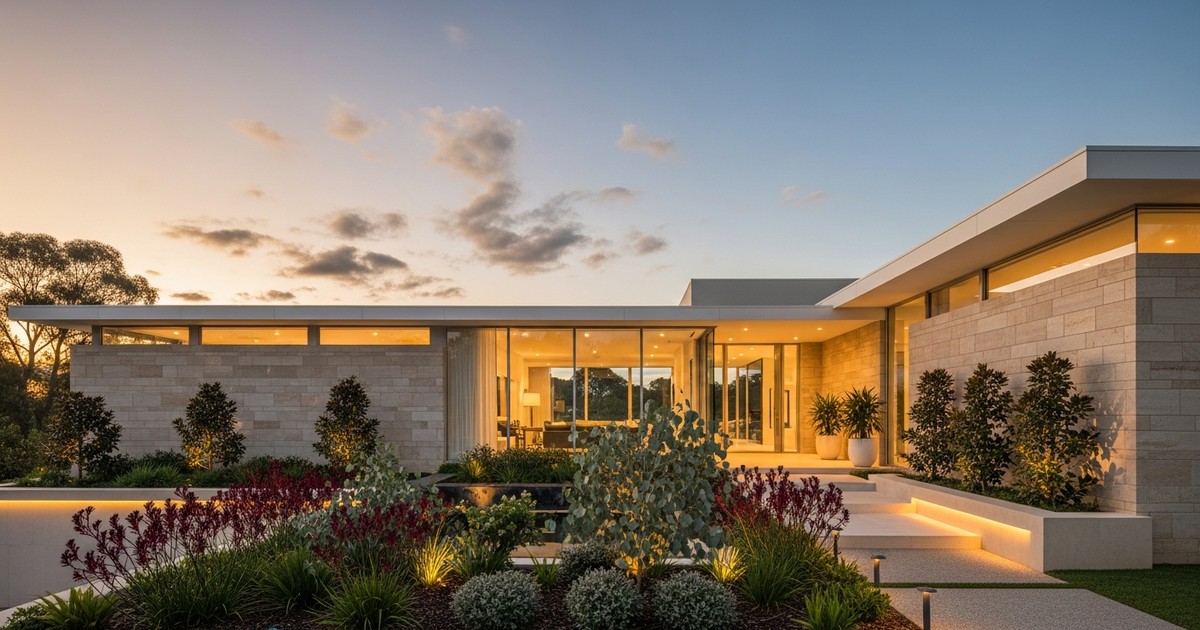
The continuous large-format tile finish, flowing from living room to alfresco without a visible break, is the most requested flooring look in Sydney's renovation market. Achieving it requires a preparation sequence that most homeowners do not see coming.
What needs to be removed before large-format tiles can run from a living room to an alfresco?
Before large-format tiles can extend continuously from an indoor living room to an outdoor alfresco, the existing substrate must be fully assessed and corrected. This typically involves tile removal, concrete grinding, floor levelling, and threshold realignment to eliminate height differentials and create a stable, moisture-tested base across both zones.
What is the seamless indoor-outdoor tile trend reshaping Sydney homes?
Across Sydney's renovation market, a single design direction is dominating briefs from Mosman to Marrickville: continuous large-format tiles that flow from the living room, through the kitchen, and out to the alfresco without a visible break. Industry bodies and trade publications have identified indoor-outdoor flooring continuity as one of the defining renovation trends for 2025 and 2026, and the momentum shows no sign of slowing.
The appeal is straightforward. Large-format tiles, typically 600 by 1,200 millimetres or 1,200 by 1,200 millimetres, reduce grout lines and create a visual expanse that makes both indoor and outdoor zones feel materially connected. When the same tile runs through bi-fold or stacking doors onto a covered alfresco, the boundary between inside and outside dissolves. For Sydney's climate, where outdoor entertaining is a year-round proposition, the effect is more than aesthetic. It is a functional extension of the living space.
But achieving this look is not a matter of selecting a tile and calling a tiler. The finished surface is the last step in a preparation sequence that must happen first, and it is the preparation that determines whether the installation performs or fails within its first two years.
How does this trend affect the existing substrate in most Sydney homes?
The short answer is that almost nothing underneath a typical Sydney home is ready for a continuous large-format tile installation across an indoor-outdoor threshold. The challenges compound across three distinct zones.
Internal floors
Most Sydney homes built before 2010 carry existing floor tiles, sheet vinyl, or carpet over particle board or concrete slab. Each of these substrates behaves differently under load, moisture, and temperature change. Existing ceramic tiles may be structurally sound, but they introduce height that compounds once new levelling compound and tile are added on top. Vinyl hides adhesive residue that will compromise bond strength. Carpet substrates are rarely suitable as a base for tiling at all.
Outdoor areas
Alfresco spaces in Sydney are typically finished with concrete pavers on sand beds, exposed aggregate concrete, or broom-finished slab. These surfaces are rarely flat enough for large-format tile installation. Pavers sit on bedding material that shifts over time. Exposed aggregate has inconsistent surface profile. Neither meets the surface regularity standards that large-format tiles demand, which are stricter than those for standard tile formats because of the tile's larger footprint.
Threshold zones
The door track, typically a sliding or stacking door assembly, is the most overlooked element in indoor-outdoor projects. Existing door tracks are set to the original floor height. If internal tiles are removed and new levelling compound is applied, the threshold height changes. If the outdoor surface is built up with adhesive and tile, the level changes again. Without coordinated planning, the finished floor can end up either too high for the door assembly to function or too low, creating a trip point and a waterproofing failure at the transition between internal and external zones.
Why is substrate preparation critical for NSW renovation compliance?
In New South Wales, flooring work that involves structural modification, waterproofing, or multi-trade coordination falls under the oversight of several regulatory frameworks. Skipping or shortcutting substrate preparation does not just risk a poor finish. It can breach compliance obligations that affect the property's safety, insurability, and resale value.
- Australian Standard AS 3958.1 — Guide to the Installation of Ceramic Tiles specifies substrate flatness tolerances, moisture limits, and adhesive selection criteria. Large-format tiles demand stricter tolerances than standard formats because any substrate irregularity telegraphs through the larger tile face, increasing the risk of lippage and cracking. The standard is published by Standards Australia and is referenced in building specifications across NSW.
- The National Construction Code (NCC) — Administered by the Australian Building Codes Board, the NCC sets requirements for floor levels, particularly at thresholds between internal and external zones, addressing water management, accessibility, and structural load transfer.
- SafeWork NSW obligations — These apply to all demolition and grinding work on site, including dust control, silica exposure management, and the use of compliant personal protective equipment. Tile removal and concrete grinding generate respirable crystalline silica, a regulated hazard under NSW workplace health and safety law. SafeWork NSW publishes guidance on managing silica dust in construction and renovation.
- NSW Fair Trading requirements — Residential building work over a certain value must be carried out by appropriately licensed contractors, with contracts that specify scope, timeline, and defect rectification obligations.
For Sydney homeowners, this means the preparation phase is not an optional add-on or a cost to be minimised. It is the compliance-critical foundation that determines whether the finished installation meets legal, safety, and performance standards for the life of the floor.
What does the tile removal and levelling process involve for indoor-outdoor projects?
A continuous indoor-outdoor tile installation requires a sequenced preparation process that addresses each zone's specific substrate conditions while managing the critical threshold transition between them. The typical workflow for a Sydney residential project follows this sequence:
- Site assessment and substrate testing
- A qualified technician inspects the existing internal and external floors, tests moisture levels at multiple points, identifies adhesive types — particularly older black cutback adhesives that may contain asbestos — and measures existing heights relative to door assemblies and external drainage points.
- Hazardous material identification
- Older Sydney homes may have magnesite flooring, asbestos-containing adhesives, or lead-based paints beneath existing finishes. These must be identified and managed under SafeWork NSW regulations before any removal work begins. Elyment's preparation team tests for these materials as standard practice.
- Existing finish removal
- Internal tiles, vinyl, carpet, and their associated adhesives are mechanically removed to expose the bare substrate. Outdoor pavers and their bedding material are lifted. This is labour-intensive work that generates significant waste, which must be disposed of in accordance with EPA NSW guidelines.
- Concrete grinding and surface profiling
- The exposed concrete substrate is mechanically ground to remove residual adhesive, correct minor surface irregularities, and achieve the surface profile required by the tile adhesive manufacturer. For large-format tiles, the substrate must typically be flat to within plus or minus 3 millimetres over a 3-metre straightedge, a tolerance verified by laser measurement.
- Moisture testing and vapour assessment
- Moisture readings are taken across both internal and external substrates. Elevated moisture levels, common in ground-floor slabs and covered alfresco areas with limited sun exposure, may require a vapour barrier or moisture-tolerant adhesive system before tiling can proceed.
- Floor levelling compound application
- A self-levelling compound is applied to bring the entire floor surface, from the living room through to the alfresco, to a consistent, flat plane. This is the step that resolves the height differentials between the original internal floor, the threshold zone, and the outdoor surface. The compound is selected based on the moisture profile of the slab and the adhesive system specified for the chosen tile.
- Threshold and transition detailing
- The door track height is assessed in relation to the new finished floor level. Where necessary, the door assembly is modified, or the threshold is rebuilt to ensure correct water drainage away from the building, compliance with step-down requirements under the NCC, and proper operation of the door mechanism at its new height.
- Final verification and handover
- Laser-checked levels are confirmed across the entire surface. Photo documentation is compiled. The prepared substrate is handed over to the tiling contractor with written specifications for adhesive type, trowel notch size, and curing conditions appropriate to the chosen tile format and the site's moisture profile.
Each step in this sequence is dependent on the one before it. Attempting to shortcut any stage introduces risk to the stages that follow and to the finished installation as a whole.
What does tile removal and floor levelling cost in Sydney?
Preparation costs vary with substrate condition, site access, hazardous material management requirements, and the scope of levelling needed to achieve a continuous plane across both zones. The following ranges reflect typical Sydney metro pricing for residential projects:
Internal tile removal
- Indicative range: $25 to $55 per m²
- Key variables: Adhesive type, tile format, site access
Outdoor paver or concrete removal
- Indicative range: $30 to $60 per m²
- Key variables: Bedding depth, disposal logistics
Concrete grinding and profiling
- Indicative range: $35 to $65 per m²
- Key variables: Substrate condition, total area
Self-levelling compound application
- Indicative range: $30 to $55 per m²
- Key variables: Application depth, product selection
Magnesite or hazardous material removal
- Indicative range: $45 to $80 per m²
- Key variables: Testing, containment, licensed disposal
Threshold correction and detailing
- Indicative range: $150 to $600 per doorway
- Key variables: Door assembly type, waterproofing scope
Moisture testing and substrate report
- Indicative range: $150 to $350 per site
- Key variables: Test point count, report specification
For a standard three-bedroom Sydney home with an 80-square-metre indoor-outdoor tiling zone, the total preparation scope, excluding tile supply and installation, typically falls between $5,000 and $12,000. Projects involving hazardous material removal, significant levelling depth, or structural threshold modification sit at the higher end of this range.
These figures represent preparation costs only. Tile supply and installation, which follows the preparation phase, is scoped and quoted separately by the tiling contractor once the prepared substrate has been verified and handed over.
What are the risks of laying large-format tiles without proper substrate preparation?
Large-format tiles are materially less forgiving than standard formats. Their size amplifies any underlying substrate defect, and the cost of rectification after installation is significantly higher than the cost of preparation before it. The most common failures observed in Sydney indoor-outdoor projects include:
- Tile lippage — Adjacent tiles sit at different heights because the substrate is not flat. With large-format tiles, even a 2-millimetre deviation across a single tile edge creates visible and tactile lippage that does not meet AS 3958.1 tolerances and is immediately apparent under natural light.
- Cracking and tenting — Tiles installed over an unstable or moisture-affected substrate can crack under foot traffic or tent upward as moisture vapour pressure builds beneath the tile layer. This is a particular risk at indoor-outdoor thresholds where moisture conditions change between zones and vapour pressure has nowhere to dissipate.
- Waterproofing failure — The transition between an internal living space and an outdoor alfresco must manage water direction. If floor levels are not correctly set during preparation, water can track inward under the tile bed, damaging the slab, the door assembly, and adjacent wall framing. In Sydney's climate, with driving rain events that can push water against even covered alfresco areas, this risk is non-trivial.
- Trip hazards — Height differences at thresholds, where internal and external floor levels do not align after tiling, create trip points. For covered outdoor areas that connect directly to living spaces, this is both a safety issue under the NCC and a liability issue for property owners.
- Voided product warranties — Most tile and adhesive manufacturers specify substrate flatness and moisture conditions as warranty prerequisites. Installing over an unprepared substrate voids these warranties, leaving the property owner with no manufacturer recourse if the product fails.
The financial impact of rectifying a failed installation is not trivial. Removing a failed large-format tile installation, re-preparing the substrate, and re-laying the tiles can cost two to three times the original project budget. Getting the preparation right the first time is the single most cost-effective decision in the entire project sequence.
Why do Sydney property owners choose Elyment for indoor-outdoor flooring preparation?
Elyment operates as a property services company with specialist capability in the physical execution of complex flooring preparation across Sydney metro and Greater NSW. For indoor-outdoor projects that span multiple substrate zones, Elyment's value lies in coordination as much as craft.
The team manages the full preparation sequence, from initial substrate assessment and hazardous material identification through concrete grinding, floor levelling, and threshold correction, under a single scope with one delivery lead. This eliminates the common problem of multiple trades working to different assumptions about floor heights, moisture management, and threshold detailing.
Key capabilities that distinguish the approach:
- Laser-verified levelling — All floor levelling work is checked to plus or minus 3 millimetres over 3 metres against a laser reference, ensuring compliance with the flatness tolerances that large-format tiles demand.
- Dust-controlled removal — Tile removal and concrete grinding are carried out with vacuum-attached extraction equipment, addressing SafeWork NSW silica exposure requirements as a standard operating procedure rather than an afterthought.
- Integrated threshold planning — Door track heights, step-down requirements, and drainage slopes are assessed as part of the preparation scope, not left for the tiling contractor to resolve on site after the fact.
- Transparent documentation — Photo-documented progress, written substrate reports, and handover specifications give tiling contractors the information they need to install correctly and with confidence.
- Multi-trade coordination — Where a project involves air conditioning, painting, or energy upgrades alongside flooring preparation, Elyment coordinates the full sequence under one delivery lead so that flooring preparation is not delayed by scheduling conflicts with other trades.
Elyment's floor levelling and concrete grinding services are available across Sydney metro and Greater NSW, with site assessments starting from $65 per square metre. Each engagement begins with a same-week scoping visit and a written scope that identifies exactly what needs to come up, what needs levelling, and what it will cost before any work commences on site.
Planning a continuous indoor-outdoor tile installation across your Sydney property? Start with a substrate assessment that identifies what needs to come up, what needs levelling, and what it will cost before you commit to your tile specification.
Sources and References
- Australian Building Codes Board — National Construction Code of Australia
- Standards Australia — AS 3958.1:2024, Guide to the Installation of Ceramic Tiles
- SafeWork NSW — Managing the Risks of Crystalline Silica Dust
- NSW Fair Trading — Building and Renovation Licensing Requirements
- NSW Environment Protection Authority — Waste Classification and Disposal Guidelines
Relevant next actions
Explore the ELYMENT service most closely connected to this article.